
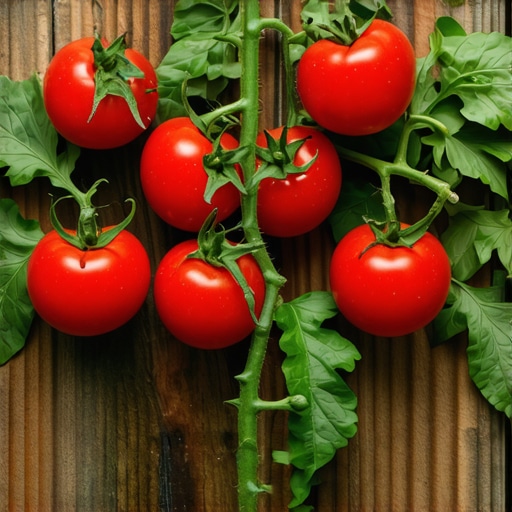
Stop 2026 Tomato Blight with 3 Airflow Pruning Rules
The Forensic Autopsy of a Tomato Crop Failure
To stop tomato blight in 2026, growers must implement three airflow pruning rules: maintaining a 12-inch soil-to-foliage gap, removing non-productive suckers to reduce internal canopy density, and thinning 20% of mature leaf mass to drop humidity levels below the fungal germination threshold. Most homeowners walk into my office in August with a plastic bag full of blackened, shriveled tomato leaves, demanding a chemical fix. They want a magic spray. I tell them the same thing I tell my new crew members: if you didn’t fix the airflow in May, you’re just spraying expensive poison on a corpse. I always drill into my new crew members: if you don’t fix the soil grading and plant structure first, every plant you put in the ground is just expensive compost. Last season, I saw a $5,000 heirloom garden turn into a slime pit because the client refused to prune. They thought they were being ‘natural.’ Nature is a brutal engineer. In a high-humidity environment, a dense tomato plant is nothing more than a biological petri dish.
The Microscopic Reality of Fungal Transmission
Blight, specifically Phytophthora infestans and Alternaria solani, relies on two factors: water and stagnation. When rain hits bare soil, it kicks up microscopic spores that latch onto the lowest leaves. Once they find a leaf where the humidity stays above 90% for more than 10 hours, the infection is locked in. This is not about aesthetics. This is about civil engineering on a cellular level. We are managing the Vapor Pressure Deficit (VPD) within the plant canopy. If the air inside the plant is trapped, the plant dies. It is that simple. [IMAGE_PLACEHOLDER]
Rule 1: The 12-Inch Ground Clearance Protocol
The soil-to-foliage gap is the most critical defense against soil-borne pathogens because it creates a physical buffer zone that prevents water droplets from splashing infected soil particles onto the lower leaves. Every leaf within 12 inches of the soil must be removed once the plant reaches 24 inches in height. This creates a clear air channel. I see hacks leaving leaves touching the mulch all the time. That is a bridge for the enemy.
“Early blight and Septoria leaf spot spores are primarily soil-borne and are spread to the lower leaves of the plant through splashing rain or overhead irrigation.” – Cornell University Extension
This pruning creates a ‘dry zone’ at the base of the plant. Without this gap, the bottom of your tomato plant becomes a damp, dark incubator. I don’t care how healthy the plant looks in June; if those bottom leaves are there, you are inviting a massacre.
Rule 2: The Sucker Execution and Main Stem Dominance
Internal structural pruning requires the systematic removal of axillary shoots, commonly known as suckers, to prevent the plant from developing a chaotic, multi-stemmed structure that restricts lateral air movement. For indeterminate varieties, you want one or two main leads. Everything else is a drain on resources and an obstruction to wind.
How do I identify a tomato sucker?
A sucker is the new growth that emerges in the ‘V’ shape between the main vertical stem and a horizontal leaf branch. If you let these grow, they become secondary stems. More stems mean more leaves, and more leaves mean less air. Use your thumb and forefinger to snap them off when they are under two inches long. Don’t use dull shears. Use your hands or a sterilized blade. A ragged cut is a doorway for bacteria.
| Mulch Type | Blight Suppression Rating | Airflow Impact | Decomposition Rate |
|---|---|---|---|
| Hardwood Bark | Moderate | Neutral | Slow |
| Clean Straw | High | Excellent | Fast |
| Plastic Film | Very High | Poor | None |
| Bare Soil | Zero | Neutral | N/A |
Rule 3: The Center-Canopy Thinning Mandate
Center-canopy thinning involves the strategic removal of internal foliage that does not receive direct sunlight, effectively lowering the relative humidity inside the plant and allowing wind to penetrate the core. If you cannot see through your tomato plant, neither can the wind. In mid-summer, I go through my clients’ gardens and pull about 15% of the leaves out of the center. Focus on the leaves that are shading the fruit or crossing each other. This isn’t just about blight. It’s about ripening. Sun hits the fruit, air dries the stem, and the plant stays in the growth phase rather than the decay phase.
What is the best pruning tool for tomatoes?
For high-end landscaping, we use bypass pruners with high-carbon steel blades, but for tomatoes, a simple 6-inch floral snip or even your fingernails are superior for minimizing tissue damage. Keep a jar of 70% isopropyl alcohol with you. Dip your tools between every single plant. If you prune an infected plant and move to a healthy one without disinfecting, you are the vector. You are the one killing your garden.
Hardscaping and Drainage: The Hidden Blight Factors
Landscaping is a holistic system. If your garden design doesn’t account for drainage, your pruning won’t matter. I’ve seen patios built with a 1% grade toward the garden beds. That is a death sentence. Standing water increases the ambient humidity around the plants, making your airflow rules irrelevant.
“Hydrostatic pressure and poor surface drainage are the primary drivers of root zone hypoxia and subsequent fungal proliferation in residential landscapes.” – ICPI Hardscape Standards
When we install a garden, we check the soil compaction. If your soil is as hard as a brick, water will sit on top. We use a modified gravel base for paths to ensure water moves away from the root flares. Don’t be the person who spends $200 on organic seeds and then plants them in a swamp.
The 2026 Maintenance Schedule
Stop thinking about gardening as a weekend hobby and start thinking like a foreman. Check your plants every 48 hours. If you see a yellowing leaf at the bottom, it’s already too late for that leaf. Remove it. Bag it. Do not compost it. Composting blighted material is just storing the infection for next year. Burn it or throw it in the trash.
![Stop 2026 Leaf Wilt on Roses [Soil Fix]](https://lawnmajesty.com/wp-content/uploads/2026/07/Stop-2026-Leaf-Wilt-on-Roses-Soil-Fix.jpeg)