Stop 2026 Weed Growth in Paver Joints with Polymeric Sand
The Hardscape Foundation: Why Planning Trumps Aesthetics
Stopping weed growth in paver joints requires a high-performance polymeric sand install that creates a durable, flexible seal between units. By bonding the sand particles with specialized polymers, you prevent seeds from taking root in the joints while maintaining the structural integrity of your hardscaping project.
Eighty percent of hardscape failures start before a single paver touches the dirt. I recently got called out to tear up a $30,000 patio that was sinking because the previous contractor used standard play sand and skipped the compaction phase. The homeowner was basically looking at a very expensive weed patch. Within fourteen months, the sand had washed out of the joints, the base had settled by two inches, and crabgrass was lifting the pavers like it was paid to do it. It was a structural autopsy. We found that the sub-base was saturated because water was trapped in the joints rather than being shed across the surface. This is what happens when you treat a patio like a puzzle rather than an engineered surface. You cannot just throw down some stone and hope for the best. You need to understand the relationship between the modified gravel base, the screed layer, and the chemical bond of the jointing material. If you do not fix the soil grading first, every plant you put in the ground is just expensive compost. It is that simple. You are either building a structure that will last thirty years, or you are creating a maintenance nightmare that will fail by 2026.
The Chemistry of Polymeric Sand Stability
Polymeric sand is a calibrated mixture of graded sand and organic or inorganic binders that harden when exposed to water. This material prevents joint wash-out and creates a barrier against ant infestations and weed seed germination in high-end landscaping installations.
“A retaining wall doesn’t fail because of the stone; it fails because of the water trapped behind it.” – Hardscape Engineering Axiom
Unlike traditional masonry sand, which remains loose and prone to erosion, polymeric sand undergoes a phase change. Once the polymers are activated by water, they create a semi-rigid link between the paver edges. This is not a rigid mortar joint; it is flexible. This flexibility is critical in regions with freeze-thaw cycles. When the ground moves, the joints must give. If they were brittle, they would crack and pop out. Polymeric sand provides the necessary PSI (pounds per square inch) strength to lock the pavers in place while remaining pliable enough to absorb ground movement. Most hacks will tell you that all sand is the same. They are wrong. High-quality polymeric sand uses ASTM-C144 gradation, ensuring that the particles fit together with minimal voids. This density is your first line of defense against weeds. If a seed cannot find a pocket of air and moisture, it cannot sprout. It is physics, not magic.
How much polymeric sand do I need for my patio?
Calculating the amount of sand requires measuring the square footage of the area, the depth of the pavers, and the width of the joints. Generally, one 50-pound bag will cover 60 to 75 square feet for narrow joints (1/8 inch) or 20 to 40 square feet for wide joints (up to 1 inch). Don’t guess. Measure your joint width and depth carefully. Most pavers are 2-3/8 inches thick. If you are using thick cobblestones, your consumption will double. Use the following comparison table to understand your material options:
| Material Type | Weed Resistance | Durability | Best Use Case |
|---|---|---|---|
| Masonry Sand | Zero | Low | Temporary fixes |
| Polymeric Sand | High | High | Residential patios/walkways |
| Resin-Bound Sand | Very High | Extreme | Commercial or heavy-drainage areas |
[IMAGE_PLACEHOLDER]
The Ground-Up Build: A Step-by-Step Installation Protocol
Installing paver sand correctly involves a meticulous process of compaction, surface cleaning, and controlled hydration. Failure to remove polymeric haze before wetting the sand can result in permanent staining on the surface of your garden design elements.
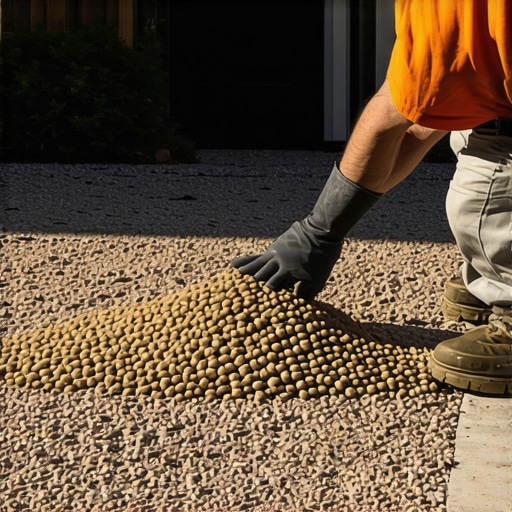
First, the base must be 98% Proctor density. I use a plate compactor that literally bounces off the surface when it is ready. If your base is soft, your joints will crack. Once the pavers are set, you sweep the sand into the joints. Do not just dump it. Work it in with a stiff broom. Then comes the part most DIYers fail: the second compaction. You must run the plate compactor over the pavers after adding the sand. This vibrates the sand deep into the joint, eliminating air pockets. If you skip this, the sand will settle after the first rain, leaving a gap where weeds can grow. After vibrating, refill the joints to within 1/8 inch of the paver chamfer. Clean the surface. Use a leaf blower to remove every single speck of dust. If a polymer particle is left on the surface when you add water, it will bond to the paver. It is a nightmare to remove. Finally, mist the joints. Do not soak them. You want to hydrate the sand, not wash the polymers out. Water in three cycles, ten minutes apart. This ensures the moisture reaches the bottom of the joint. It will rot if you leave dry pockets in the middle. The curing process takes 24 to 48 hours depending on humidity. Keep off it. Let the chemistry work.
“Jointing sand must meet ASTM-C144 standards to ensure structural interlocking between segmental concrete pavement units.” – ICPI Tech Spec #5
Can I apply polymeric sand on wet pavers?
No. You must never apply polymeric sand to wet or damp pavers. The moisture will activate the polymers prematurely, causing the sand to stick to the surface and creating a permanent, cloudy haze that ruins the aesthetic of the stone. Wait for a minimum of 24 hours of dry weather before starting the application process. Check the weather report. If rain is forecast within 12 hours of your planned activation, wait. You need a clear window for the material to set. The following checklist covers the essential steps for a successful installation:
- Confirm the pavers are 100% dry and the joints are clear of debris.
- Pour sand and sweep into joints using a cross-hatch pattern.
- Vibrate the pavers with a plate compactor to settle the material.
- Refill joints to the proper depth (1/8 inch below the edge).
- Remove all surface dust with a leaf blower on low power.
- Mist the joints with water in three controlled stages.
- Allow 24 hours of dry time before any foot traffic.
Maintenance and Long-Term Weed Prevention
Maintaining paver joints requires periodic inspections for cracking and low spots where organic matter can accumulate. By keeping the surface clean of loam and debris, you ensure the polymeric bond remains intact for years to come.
While the internet tells you to water every day, turf grass actually needs deep, infrequent watering—exactly 1 inch per week—to force roots to chase the water down. The same logic applies to the edges of your patio. If you over-water the surrounding lawn, you are inviting moisture to sit under your pavers, which softens the base. Keep your drainage clear. Make sure your French drains are not backed up. If you see a small crack in the sand, do not wait. Clean it out and patch it. Maintenance is cheaper than replacement. In 2026, you will thank me when your neighbors are out on their hands and knees pulling dandelions while you are sitting on your patio with a cold drink. It is about doing the work once, and doing it right. Don’t be a hack. Respect the process. Respect the soil. Build something that lasts.
![Build a $1000 2026 Flagstone Patio [DIY Step-by-Step]](https://lawnmajesty.com/wp-content/uploads/2026/05/Build-a-1000-2026-Flagstone-Patio-DIY-Step-by-Step.jpeg)