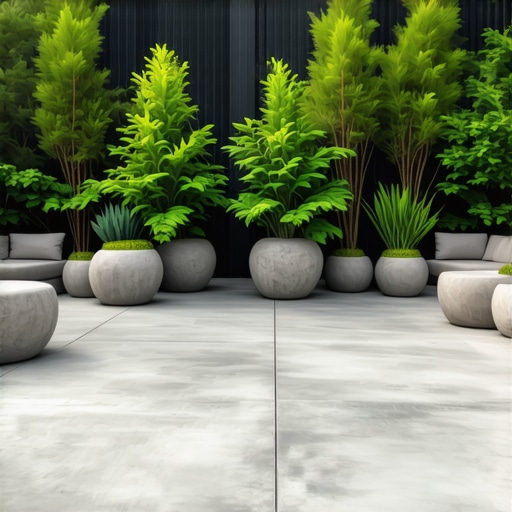
5 Ways to Make a Cheap Concrete Patio Look Expensive
5 Professional Ways to Make a Basic Concrete Patio Look Expensive
Planning a high-end outdoor space starts long before the first bag of cement is opened; in fact, eighty percent of a successful hardscape project is determined by the engineering of the sub-base and the management of hydrostatic pressure. Most homeowners see a flat gray slab and think it is a finished product, but a veteran contractor sees it as a structural foundation for aesthetic modification. If you skip the planning of drainage and load-bearing capacity, any cosmetic upgrade you apply will fail within two seasons. Precision matters. Measurements matter. Soil density matters.
The Hardscape Autopsy: Why Cheap Patios Fail
To increase the value of a concrete patio, you must ensure the underlying structure is sound by checking for compaction density and proper drainage slopes of at least 1/8 inch per foot. I recently got called out to tear up a $30,000 patio that was sinking because the previous contractor failed to account for a high water table and used 57-stone instead of a properly graded 21A or DGA modified gravel base. The pavers were shifting, the mortar was cracking, and the entire investment was literally sliding into the neighbor’s yard. If your base is not compacted to 95% Proctor density, your expensive finishes will reflect every flaw of the sub-grade. Don’t skip the prep. It will fail.
“A retaining wall doesn’t fail because of the stone; it fails because of the water trapped behind it.” – Hardscape Engineering Axiom
1. Implementing Paver Overlays and Thin-Set Stone
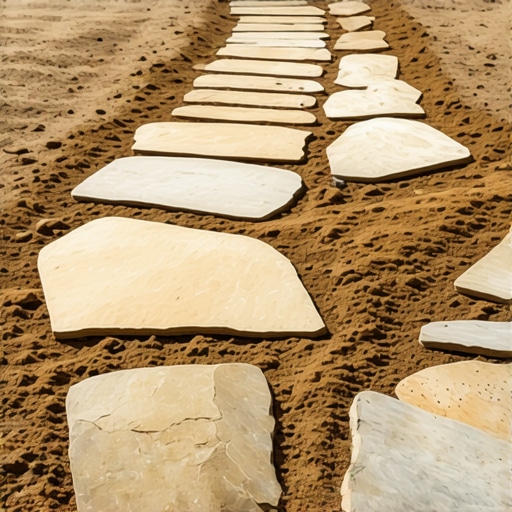
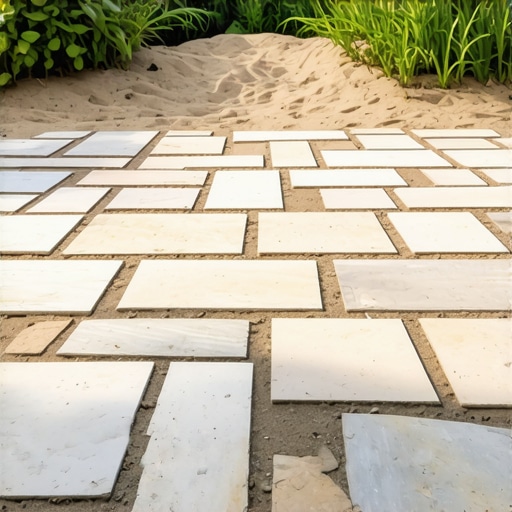
To upgrade a concrete slab with pavers, you must utilize 30mm thin-set pavers or natural stone veneers that are specifically engineered for pedestrian-grade overlays. Traditional 60mm pavers are too heavy and high for existing door thresholds. By using a sand-set overlay system with a rigid perimeter restraint, you can hide the utilitarian concrete while providing a modular surface that handles freeze-thaw cycles better than a monolithic slab. This approach eliminates the industrial look of gray concrete and introduces the variegated textures of travertine or slate. It looks expensive because it is a layered engineering system.
2. Chemical Acid Staining vs. Surface Pigmentation
To change the color of concrete permanently, use reactive acid stains that penetrate the surface to create a mottled, translucent finish resembling natural stone. Do not use concrete paint; it will peel. Acid stains react chemically with the free lime in the concrete. This creates a permanent bond that cannot chip or fade. You must neutralize the slab afterward with a baking soda solution to restore the pH to 7.0 before applying a high-solids solvent-based sealer. This depth of color gives the slab an organic, high-end appearance that looks like custom-poured integral color concrete at a fraction of the price.
3. The Power of Natural Stone Borders and Soldier Courses
To add visual interest to a patio, install a soldier course border using Belgian block or dark granite pavers to create a high-contrast frame around the existing slab. A border acts as a visual anchor. It breaks up the