Stop Sinking Walkways: 2026 Base Compaction Tips
Why Most Walkways Sink Within Three Years
Walkways sink primarily due to poor sub-grade preparation, insufficient base material depth, and inadequate mechanical compaction. By failing to reach a 98% Proctor density or neglecting drainage, water infiltrates the base, causing the soil to shift, expand, or wash away entirely under load. It is a structural failure disguised as a cosmetic issue.
I recently got called out to tear up a $30,000 patio that was sinking because the previous contractor thought he could skip the plate compactor and just ‘hand-tamp’ the edges. Within six months, the 3/4-inch modified stone base had shifted, the polymeric sand had cracked, and the homeowners were tripping over two-inch lips in the pavers. We dug it up and found the sub-soil was basically wet sponge. They didn’t even use a geotextile fabric. It was a forensic autopsy of a failed project. This is what happens when you prioritize ‘pretty’ over ‘physics.’ In the hardscaping world, what you don’t see—the twelve inches of earth beneath the stone—is the only thing that actually matters.
“A retaining wall or walkway doesn’t fail because of the stone; it fails because of the water trapped behind it or the shifting of the uncompacted earth beneath it.” – Hardscape Engineering Axiom
The Physics of the Base: Beyond the Surface
To understand why your walkway is undulating like a roller coaster, you have to look at the soil’s load-bearing capacity. Most residential yards are built on fill dirt that was never properly settled after the house was built. When you add the weight of 2-3 inch thick pavers and a few humans walking across them, that soil compresses. If you haven’t replaced that native soil with a structured, interlocking base, failure is guaranteed. We use 2A modified stone—a mix of crushed limestone ranging from dust to 3/4-inch pieces. The ‘fines’ fill the voids between the larger rocks, creating a solid mass that, when hit with 4,000 pounds of centrifugal force from a vibratory compactor, becomes nearly as hard as concrete but retains the ability to flex during freeze-thaw cycles.
How much modified gravel do I need for a patio base?
For a standard pedestrian walkway, you require a minimum of six inches of compacted 2A modified stone over a stable sub-grade. For driveways or areas with heavy clay soil, this depth must increase to 10-12 inches. You calculate this by measuring the square footage, multiplying by the depth in feet, and adding a 20% ‘fluff factor’ for compaction loss.
| Material | Stability Rating | Drainage Capability | Recommended Use |
|---|---|---|---|
| Native Topsoil | Very Low | Poor | Gardens only; never for base. |
| Clean #57 Stone | Moderate | Excellent | Drainage layers or behind walls. |
| 2A Modified | High | Good | Primary structural base for pavers. |
| Bedding Sand | Low | Moderate | Final 1-inch leveling layer only. |
The Compaction Protocol: The 2-Inch Rule
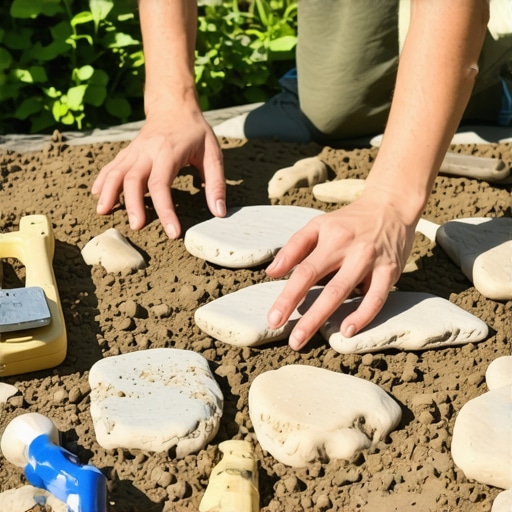
One of the biggest mistakes hacks make is ‘bridging.’ They throw six inches of gravel into a trench and run a small compactor over the top. The vibration only reaches the top two inches; the bottom four remain loose. You must install your base in two-inch lifts. Throw down two inches, wet it slightly to achieve optimum moisture content, and run the plate compactor until the machine literally bounces off the surface. Repeat until you reach your grade. If the soil is heavy clay, you must use a non-woven geotextile fabric between the dirt and the stone. This prevents the stone from being ‘swallowed’ by the clay over time, a process known as sub-grade contamination.
“Compaction to 98% Standard Proctor Density is the minimum requirement for any segmental pavement system intended to withstand pedestrian or light vehicular traffic.” – Interlocking Concrete Pavement Institute (ICPI)
Why do pavers sink after two years?
Pavers sink after two years usually because of hydrostatic pressure and edge restraint failure. If water cannot exit the base through a French drain or natural pitch, it liquefies the bedding sand. Simultaneously, if the plastic edge restraints weren’t pinned with 12-inch steel spikes into the compacted base, the pavers will ‘creep’ outward, opening gaps that allow more water to destroy the foundation.
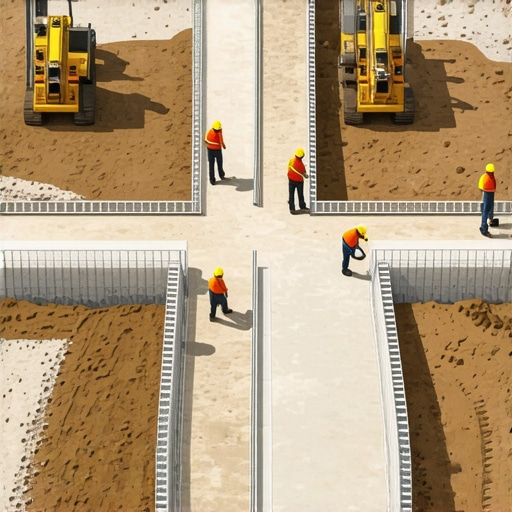
- Step 1: Excavate 8-10 inches below your finished grade.
- Step 2: Lay non-woven geotextile fabric to separate soil from stone.
- Step 3: Install 2A modified stone in 2-inch increments, compacting each layer.
- Step 4: Check pitch (minimum 1-inch drop per 8 feet) for drainage.
- Step 5: Screed 1 inch of clean, coarse sand (do not compact this yet).
- Step 6: Set pavers and install professional-grade edge restraints.
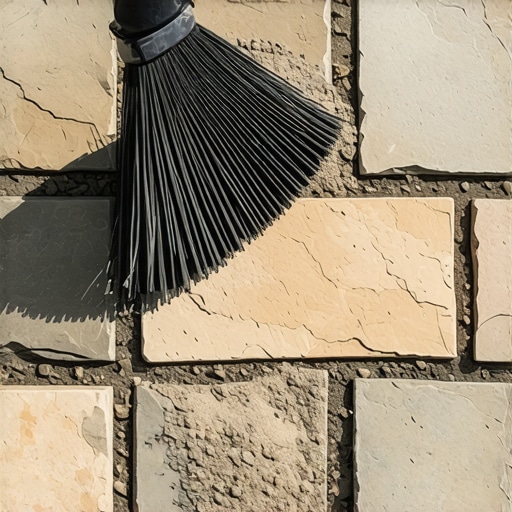
- Step 7: Sweep in polymeric sand and perform final vibration to lock the joints.
Stop looking at the color of the stone and start looking at the density of the dirt. If you treat your walkway like a civil engineering project instead of a craft project, it will last fifty years. If you don’t, you’ll be calling me in three years to do the autopsy on your DIY disaster. Build it once. Build it right.