Why Professional Excavation Services are the First Step to a Perfect Patio
Why Professional Excavation Services are the First Step to a Perfect Patio
When most homeowners envision their dream outdoor space, they picture the finish line: the sleek slate pavers, the custom fire pit, and the comfortable lounge chairs where they’ll spend their summer evenings. As a co-owner of Cutting Edge Excavation, I’ve spent years helping people realize these dreams. However, I often have to deliver a dose of reality: a patio is only as good as what lies beneath it. You can buy the most expensive Turkish travertine on the market, but if it is laid on a poorly prepared base, it will be a cracked, uneven mess within two seasons.
Professional excavation services are the unsung heroes of landscaping. While the “pretty” parts of a project get all the Instagram likes, the “invisible” foundation – the dirt work, the grading, and the sub-surface engineering – determines whether your investment lasts twenty years or twenty months. In this guide, I’m going to pull back the curtain on why professional site preparation is the most critical step in your construction process and how it protects your most valuable assets, including your home’s foundation and your septic system.
The Hidden Foundation: What Excavation Actually Entails
To the untrained eye, excavation looks like “digging a hole.” In reality, it is a precise engineering task. When we arrive on a job site, we aren’t just moving dirt; we are analyzing soil composition, determining load-bearing capacities, and preparing a sub-grade that can withstand the freeze-thaw cycles of the changing seasons. One of the most common issues we see is fixing 2026 settled soil around foundations, which often occurs because the initial excavation was either too shallow or didn’t account for soil density.
Professional excavation services involve several technical steps that DIY projects or “guy with a shovel” contractors often skip:
- Sub-grade Compaction: Once we reach the desired depth, the “floor” of the excavation must be compacted with heavy machinery. If the natural soil is loose, your patio will eventually sink.
- Geotextile Installation: In many soil types, we install a stabilization fabric between the raw earth and the gravel base. This prevents the stone from sinking into the mud over time.
- Aggregate Layering: We don’t just dump gravel. We apply it in “lifts” (layers of 2-3 inches) and compact each one individually to ensure a rock-solid base.
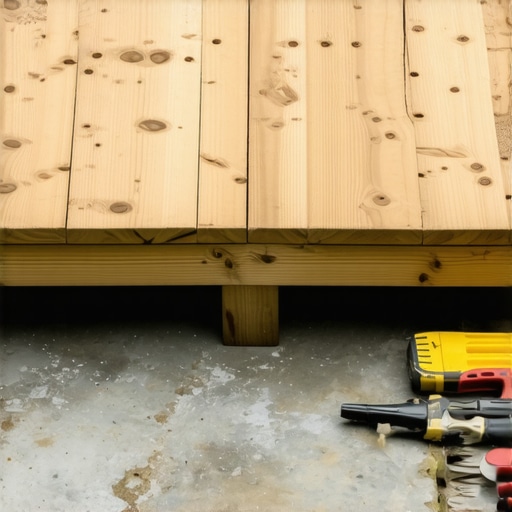
Using specialized machinery like mini-excavators and skid steers allows us to reach the necessary depths – often 8 to 12 inches for a standard paver patio – with surgical precision. This level of accuracy is nearly impossible to achieve manually, and it’s the difference between a flat patio and one that undulates like a roller coaster after the first heavy rain.
Avoiding the “Septic Trap”: Protecting Your Underground Infrastructure
This is perhaps the most important advice I can give any homeowner: your backyard is not just a canvas; it is a complex network of utilities. If your home isn’t on a city sewer line, your septic system is the most sensitive part of your property. I have seen countless DIY patio projects turn into nightmares because a homeowner didn’t realize they were building over their tank or leach field.
You should never build a permanent structure, including a heavy paver patio, over a septic tank or drain field. The weight of the stone, the base material, and the compaction equipment can crush PVC pipes or, worse, compact the soil in the drain field. Your drain field relies on “percolation” – the ability of the soil to breathe and filter liquid. If you compact that soil, the system fails, leading to a need for septic drain field repair which can cost thousands of dollars.
When planning your site, you must also consider septic system maintenance. You need clear access to your tank lids for pumping. If you cover them with a patio, you’ll be tearing up your beautiful stonework the next time the pumper truck comes around. If you are in the early stages of home construction, we often coordinate septic tank installation alongside patio planning to ensure the two systems never interfere with each other. In older homes, if a system is already failing, we might even recommend a septic tank replacement before the patio goes in to avoid disturbing the new landscaping later.
If you’re unsure where your lines are, look for signs your septic drain field is failing and how to save it before you start any heavy digging. It’s much cheaper to move a patio design five feet to the left now than it is to replace a crushed septic line later.
Mastering Drainage: Why “Flat” Isn’t Actually Flat
One of the biggest misconceptions in patio building is that a patio should be perfectly level. If your patio is perfectly level, you’ve actually built a very expensive pond. Every outdoor surface must have a “pitch” – a slight slope that directs water away from your home’s foundation and toward a safe discharge area.
Professional excavation contractors near me use laser levels to calculate this pitch. The standard rule of thumb is a 1-inch drop for every 4 to 8 feet of distance. While that sounds simple, executing it across a 500-square-foot area requires expert grading. If the grade is off by even half an inch, water can pool against your back door or seep into your basement.
In cases where the natural topography of the yard makes drainage difficult, we don’t just hope for the best. We integrate sub-surface drainage solutions during the excavation phase. This might include fixing 2026 drainage issues with French drains or installing catch basins. By handling this during the excavation phase, the pipes are buried deep beneath the patio base, keeping your yard dry and your foundation safe without any visible pipes cluttering the landscape.
Land Clearing and Site Preparation
Before we can even think about the base, we have to clear the “overburden.” This includes grass, topsoil, and any organic debris like tree stumps or large rocks. Many homeowners think they can just dig out the grass and start laying stone, but that is a recipe for disaster. Topsoil is full of organic matter that decomposes over time. As it rots, it creates air pockets, which eventually lead to sinkholes under your patio.
Our land clearing services involve stripping the site down to the “virgin” mineral soil. If we encounter old stumps, they must be completely removed, not just ground down. A rotting stump six inches under a patio will cause a massive dip in your pavers five years down the road. For larger residential estates, we often perform commercial land clearing techniques to ensure the entire “building envelope” of the backyard is stable and clear of future obstructions.
If your yard is particularly hilly, this phase also includes major earthmoving to create a flat building area. You might consider how to level a sloping yard with terraced garden beds as a way to manage the transition between your new patio and the rest of your landscape. Proper excavation ensures these transitions are structurally sound and won’t erode during the first spring thaw.
Utility Safety and Emergency Prevention
As an expert in the field, I cannot stress this enough: “Call Before You Dig” is not a suggestion; it is a legal and safety requirement. Your backyard is a highway for gas lines, electrical conduits, water mains, and sewer pipes. Hitting a gas line is a life-threatening emergency, but even hitting a sewer pipe is a catastrophe that will derail your project and your budget.
A DIYer with a rented power auger can easily slice through a lateral line, resulting in an immediate need for emergency sewer line repair. Professional excavators handle the utility marking process and use “soft digging” techniques (like hand-shoveling near marked lines) to prevent damage. We also look for signs of aging infrastructure. If we are excavating for a patio and notice a clay sewer pipe is beginning to collapse, we can perform a sewer line repair or replacement then and there, rather than waiting for it to backup into your home after the patio is finished.
Planning ahead for utilities also allows you to run “sleeves” – hollow PVC pipes – under your patio before it’s built. These sleeves allow you to easily pull electrical wires for landscape lighting or gas lines for a grill later on without ever having to lift a single paver.
The Financial Case for Professional Excavation
I understand the temptation to DIY. When you see that a professional excavation contractor’s quote includes a significant amount for “overhead,” it’s easy to think you can save money by renting a machine yourself. However, the data tells a different story. In the excavation industry, approximately 36% of a contractor’s expenses go toward purchases – high-quality aggregates, fuel, specialized equipment maintenance, and insurance. When you hire a professional, you are paying for the efficiency of that equipment and the insurance that protects your home if something goes wrong.
Consider the “redo” cost. If you build a patio yourself and skip the deep excavation, you might save $2,000 today. But if that patio shifts, you’ll find that your 2026 paver gaps are full of weeds because the base shifted and the polymeric sand cracked. Or worse, the pavers themselves might crack. At that point, you have to pay someone to tear up the old patio, haul away the debris, and start from scratch. You end up paying twice for the same space.
Even if you are on a tight budget, it is better to spend your money on professional excavation and choose a more affordable surface material. For example, you can build a $300 modern patio with 2026 concrete pavers or even build a $250 gravel path that blocks 2026 weeds, provided the ground underneath is prepared correctly. The “finish” can always be upgraded later, but the “foundation” is forever.
Conclusion: Build Once, Enjoy Forever
A patio is more than just a place for a grill; it’s an extension of your home. Like your home, it requires a foundation that is stable, dry, and safe from underground hazards. By investing in professional excavation services, you aren’t just paying for someone to move dirt; you are buying peace of mind. You are ensuring that your drainage is handled, your septic system is protected, and your pavers won’t be shifting and cracking in three years.
Before you pick out your stone patterns or buy that outdoor kitchen set, take a look at the ground beneath your feet. If you want a patio that looks as good in ten years as it does on the day it’s finished, start with the right groundwork. If you’re ready to start your project the right way, I highly recommend consulting with the team at blslandandsepticllc.com. They have the expertise to handle everything from complex land clearing services to delicate septic system management, ensuring your new outdoor oasis is built on a foundation of excellence.