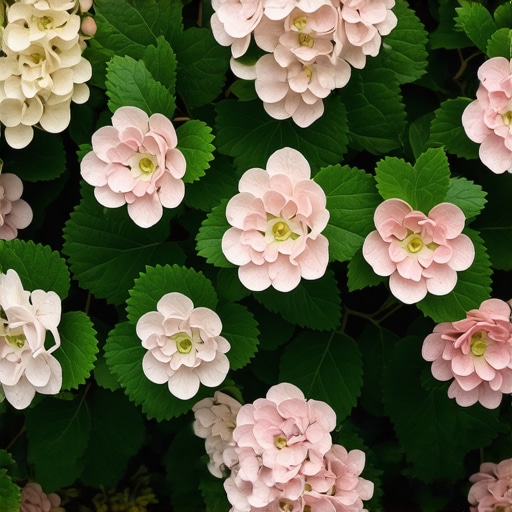
Why Your 2026 Hydrangeas Aren’t Blooming [Soil Fix]
The Ghost of a Bloom: Why Your Hydrangeas Are Just Expensive Greenery
You see it every June. Your neighbors have heavy, saturated flower heads while your shrubs look like a high-end salad bar: all leaves, no color. Most homeowners think they just bought a bad plant or the weather was weird. I always drill into my new crew members: if you don’t fix the soil grading and chemistry first, every plant you put in the ground is just expensive compost. I have watched guys spend five figures on nursery stock only to see it starve in pavement-hard clay because they ignored the cation exchange capacity of the dirt. If you want results in 2026, you aren’t gardening; you are performing biological engineering on the rhizosphere starting today.
The Soil Chemistry Bottleneck and Bloom Failure
To ensure your 2026 hydrangeas bloom, you must address soil pH levels, phosphorus availability, and root zone drainage immediately. Most failures stem from aluminum toxicity or nitrogen-heavy fertilization that prioritizes foliage over floral bud development during the previous year’s growth cycle. It is not about the water; it is about the chemistry. When the soil pH drifts above 6.5, aluminum becomes insoluble. Without that aluminum uptake, your Hydrangea macrophylla won’t just lose its blue color; it will struggle to metabolize the energy needed for bud setting. Nitrogen is another trap. If you are using that cheap 20-20-20 big-box fertilizer, you are forcing the plant to produce vegetative growth. The plant spends all its ATP on leaves, leaving nothing for the flowers. You are effectively overfeeding the body while starving the reproductive system.
“Soil pH is the single most important factor in determining the availability of aluminum, which is the primary driver for floral development and pigmentation in Hydrangea macrophylla.” – University of Tennessee Agricultural Extension
How do I lower soil pH for blue hydrangeas?
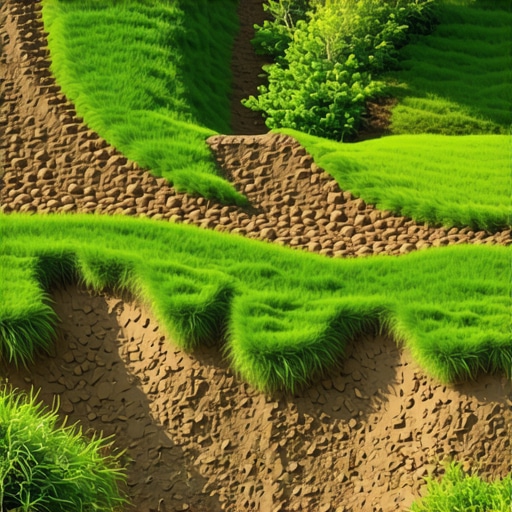
Lowering pH is a marathon, not a sprint. You need to apply elemental sulfur or aluminum sulfate based on a lab-certified soil test. Do not guess. Adding too much sulfur too fast will burn the fine root hairs and create a localized salt toxicity. Spread it at the drip line, scratch it into the top two inches of soil, and let the soil microbes do the heavy lifting over the next six months. If your soil is heavy clay, the buffering capacity will fight you every inch of the way. You have to break the clay structure with organic matter like pine bark fines to create the macropores necessary for oxygen to reach the roots.
| Amendment | Purpose | Application Rate | Impact Time |
|---|---|---|---|
| Elemental Sulfur | Lower pH Acidification | 1 lb per 100 sq ft | 6-12 Months |
| Aluminum Sulfate | Instant Aluminum Source | 1 tbsp per gallon | Weeks |
| Pine Bark Fines | Improve Pore Space | 3-inch top dress | 2-3 Years |
| Bone Meal | High Phosphorus | 0.5 lb per shrub | Seasonal |
When is the best time to prune hydrangeas for 2026 blooms?
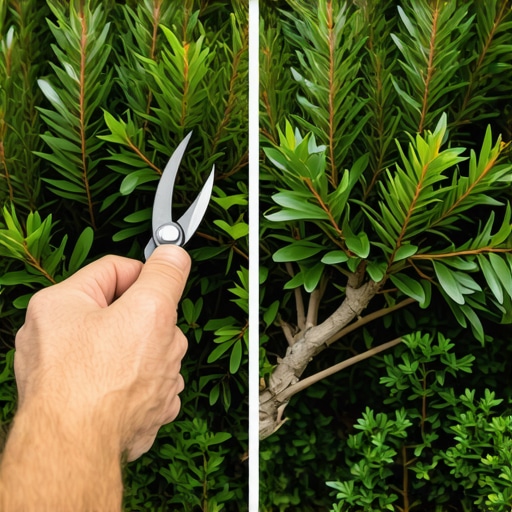
Timing is the difference between a flowering shrub and a stick in the mud. For species that bloom on old wood, like Bigleaf or Oakleaf varieties, you must prune immediately after the 2025 blooms fade. If you wait until winter, you are cutting off the 2026 flowers. The plant starts setting its 2026 buds in late summer and autumn of 2025. My rule for the crew is simple: if it is after August 1st, put the shears away. You are no longer pruning; you are decapitating next year’s profit.
The Forensic Autopsy of Failed Hydrangea Beds
I recently examined a site where forty Hydrangea macrophylla ‘Endless Summer’ had failed to bloom for three straight years. The homeowner was blaming the nursery. I took a penetrometer and a pH probe to the site. The soil was compacted to 300 PSI—nearly the density of a gravel driveway. The roots were girdled, circling the original root ball because they couldn’t penetrate the surrounding red clay. They were effectively growing in a ceramic pot made of earth. When water hit the site, it sat in the hole, creating an anaerobic environment that rotted the lower root structure. This is the hydrostatic trap. Without oxygen, the plant cannot perform the respiration required to move nutrients to the apical meristems where buds form.
“Compacted soils limit oxygen diffusion to the root zone, leading to anaerobic conditions that stunt bud initiation and lead to root senescence.” – Soil Science Society of America
The Step-by-Step Soil Remediation Checklist
Fixing this requires more than a bag of mulch. You have to change the physical structure of the earth. Follow this protocol to guarantee 2026 success:
- Core Aeration: Use a 3/4 inch coring tool around the drip line to alleviate compaction and introduce oxygen.
- Sub-Surface Irrigation: Install drip lines under 3 inches of mulch to ensure water reaches the roots without evaporating or causing fungal leaf spot.
- Sulfur Integration: Apply elemental sulfur in early fall to allow the freeze-thaw cycle to pull it into the soil profile.
- Phosphorus Injection: Use a high-phosphorus starter fertilizer (middle number in NPK) in late spring to stimulate bud sites.
- Root Flare Exposure: Ensure the crown of the plant is 1 inch above the soil grade to prevent crown rot.
Engineering the Root Zone
Stop watering every day. You are drowning the plant. Real turf and ornamental health come from deep, infrequent watering. You want to force those roots to chase the moisture down 12 inches into the soil. This builds a resilient root system that can withstand the heat of July without wilting. If your hydrangeas wilt at 2 PM, it isn’t always because they are thirsty; it is often because the roots are too shallow to keep up with transpiration. Dig a hole. If the soil is muddy 6 inches down, stop the irrigation. You are killing it with kindness. The soil should feel like a wrung-out sponge, not a swamp. Consistency in moisture levels prevents the stress response that triggers bud abortion. Get the dirt right, and the 2026 season will take care of itself. Forget the flowers; grow the soil.
![Stop Killing 2026 Lavender: 3 Clay Soil Drainage Fixes [Zone 7]](https://lawnmajesty.com/wp-content/uploads/2026/05/Stop-Killing-2026-Lavender-3-Clay-Soil-Drainage-Fixes-Zone-7.jpeg)
![How to Test Your 2026 Soil pH for $15 [Home Kit Test]](https://lawnmajesty.com/wp-content/uploads/2026/05/How-to-Test-Your-2026-Soil-pH-for-15-Home-Kit-Test.jpeg)