Why Your Brick Walkway Is Shifting Every Winter
The Cold Truth About Frost Heave and Your Hardscape
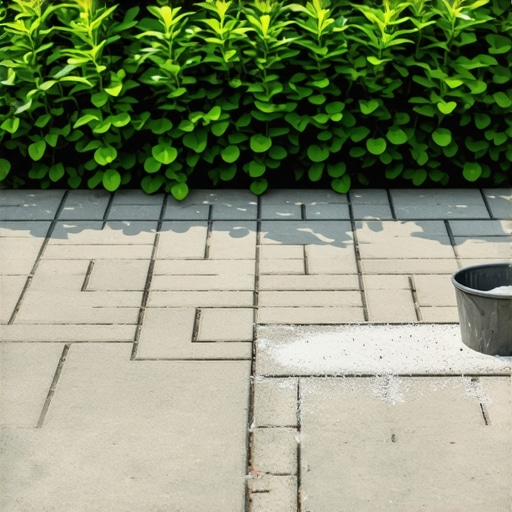
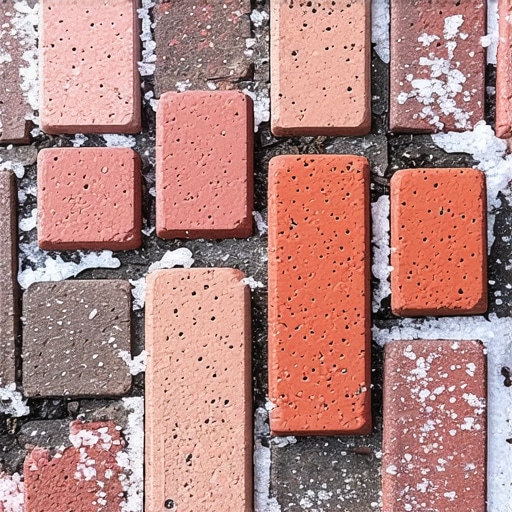
Your brick walkway is shifting because of hydrostatic pressure and the freeze-thaw cycle acting upon an insufficient base layer. When water traps beneath pavers in non-porous subgrade, it expands by approximately 9% upon freezing, exerting upwards of 50,000 PSI of force that displaces stones and ruins levels. [image_placeholder_1]
I recently got called out to tear up a $30,000 patio that was sinking because the previous contractor thought two inches of stone dust was an acceptable base. It wasn’t. Within three years, the entire surface looked like a topographical map of the Himalayas. The homeowner was furious, and rightly so. They had paid for a permanent structure but received a temporary one. This is the reality of the “mow-and-blow” hacks entering the hardscape world; they understand the aesthetics but ignore the civil engineering required to fight the earth’s natural movement. If you don’t account for the soil’s Atterberg limits and the local frost line, you’re just throwing money into a hole in the ground. Real landscaping is about managing water and gravity. Nothing more, nothing less.
The Physics of Why Pavers Move
Walkway failure is almost always a drainage and compaction issue where the sub-base fails to bridge the gap between the shifting soil and the rigid paver surface. When the ground freezes, ice lenses form in the soil, pulling moisture upward through capillary action and creating an uneven lift that shatters the bond of your polymeric sand.
“A retaining wall doesn’t fail because of the stone; it fails because of the water trapped behind it.” – Hardscape Engineering Axiom
How much modified gravel do I need for a patio base?
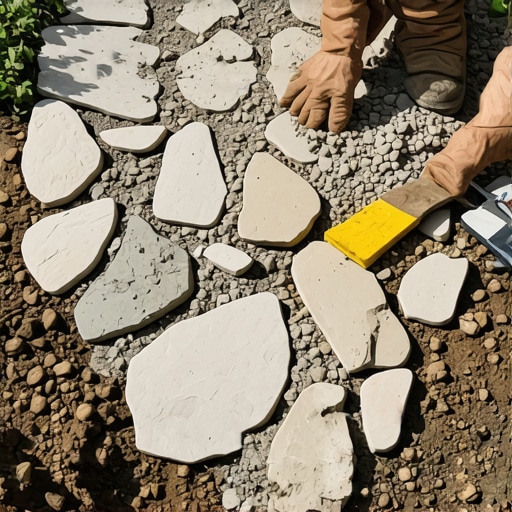
For a standard pedestrian walkway, you need a minimum of six inches of compacted 2A modified gravel, while driveways or areas with heavy clay soil require eight to twelve inches. This base must be mechanically compacted in two-inch lifts to achieve a 98% Proctor density, ensuring the structural integrity of the install.
| Material Type | Compaction Rating | Drainage Rating | Engineering Role |
|---|---|---|---|
| 2A Modified Gravel | 98% (High) | Moderate | Structural Foundation |
| #57 Clean Stone | 95% (Moderate) | Superior | Drainage/Hydrostatic Relief |
| Concrete Sand (ASTM C33) | N/A | High | Leveling/Bedding Layer |
| Stone Dust | Low | Poor | Fail Point (Avoid) |
The Forensic Diagnosis: Why Stone Dust is Your Enemy
Stone dust is the primary cause of hardscape failure in the northern states because it retains water, turns to