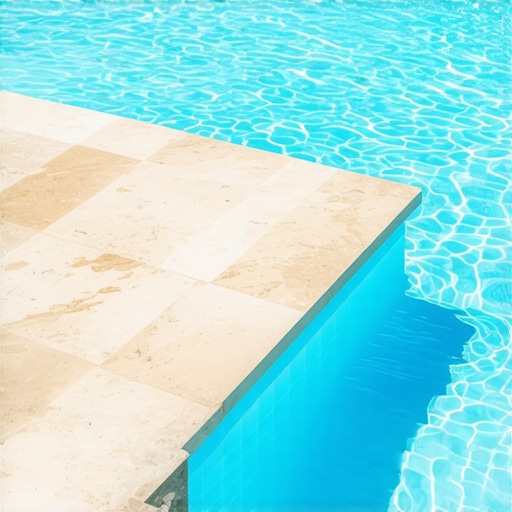
The Best Stone for a Heat-Resistant Pool Deck
The Science of Thermal Transfer in Poolside Hardscaping
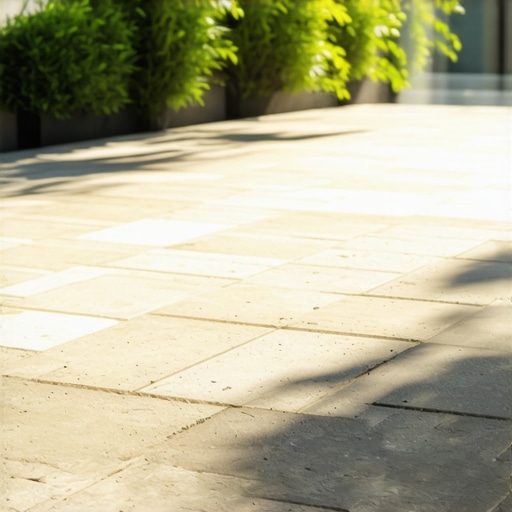
Selecting the best stone for a heat-resistant pool deck requires prioritizing materials with a high Solar Reflectance Index (SRI) and low thermal conductivity, such as travertine or shell reef limestone, to prevent surface temperatures from exceeding safety thresholds for bare feet during peak solar radiation. Most contractors ignore the albedo effect. They pick stones based on color catalogs without checking the mineral density. If the stone has a high specific heat capacity, it will hold onto that 100-degree energy long after the sun goes down. You don’t want a radiator next to your pool. You want a heat sink that breathes.
The Hardscape Autopsy: A $30,000 Failure in Thermal Planning
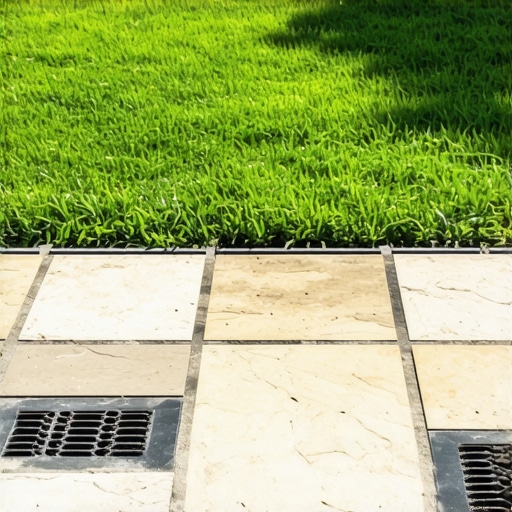
I recently got called out to tear up a $30,000 patio that was sinking because the previous contractor used dark Pennsylvania Blue Stone in a full-sun Florida application and ignored the hydrostatic pressure building up in the sub-base. The heat expansion was so intense it cracked the mortar joints, and because they didn’t use a permeable base, the water had nowhere to go. It was a disaster of civil engineering. The homeowners couldn’t even walk on it by 11:00 AM. It was essentially a massive frying pan. We had to excavate the entire mess, fix the 1% pitch for drainage, and start over with a light-colored, tumbled travertine that stays 20% cooler than the surrounding air temperature. Don’t be that homeowner. Understand the geology before you sign the check.
The Physics of Cool Surfaces: Albedo and Porosity
Material density determines how many British Thermal Units (BTUs) a stone can absorb per square inch. For a pool deck, you are looking for high porosity—not for water absorption, but for air pockets that act as thermal breaks.
“A retaining wall or paved surface doesn’t fail because of the stone; it fails because of the water and thermal stress trapped behind and within it.” – Hardscape Engineering Axiom
This rule applies to heat as much as it does to water. When a stone is porous, like certain limestones, it can undergo a process similar to evapotranspiration. If there is moisture in the sub-base, it moves through the stone and evaporates, cooling the surface. It is basic thermodynamics.
How much modified gravel do I need for a patio base?
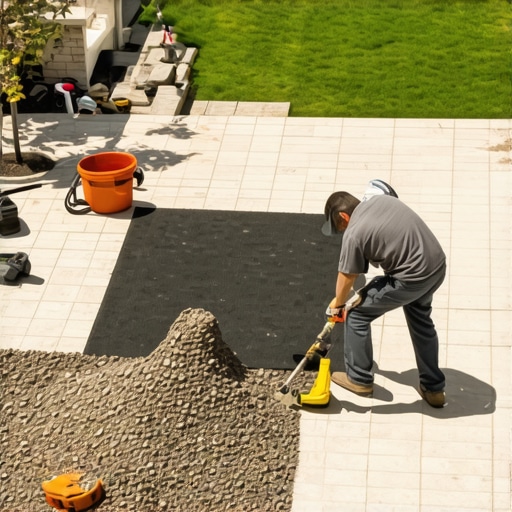
For a standard pool deck, you must excavate to a depth that allows for 6 inches of compacted modified gravel (such as 21A or #411) topped with a 1-inch bedding layer of sand or fine chips. This ensures the structural integrity and drainage necessary to prevent stone shifting. Calculate your volume by multiplying square footage by depth (0.5 feet) and dividing by 27 to get cubic yards. Order 10% extra for compaction loss. If you don’t hit 95% Proctor density with a plate compactor, your stone will settle. Period.
Top Materials for Heat Resistance
| Material | SRI Rating | Thermal Feel | Maintenance Level |
|---|---|---|---|
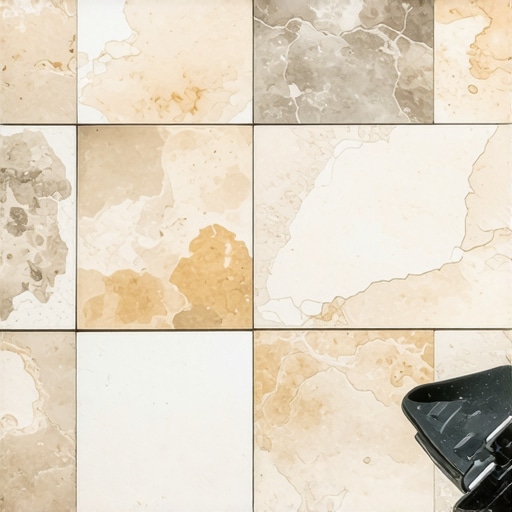
| Tumbled Travertine | High (80+) | Cool | Low (Seal every 2 years) |
| Shell Reef Limestone | Very High | Coolest | Medium (Susceptible to acid) |
| Light Sandstone | Medium-High | Warm | Low |
| Dark Slate | Very Low | Dangerously Hot | High |
The Engineering Logic of the Sub-Base
If the ground isn’t right, the stone doesn’t matter. You need to look at the soil. If you have heavy clay, you need a geotextile fabric between the subgrade and your modified gravel. This prevents the stone from being swallowed by the clay over time.
“Soil compaction and moisture control are the primary variables in the longevity of any exterior hardscape installation.” – Texas A&M Agronomy Manual
We use a laser level to ensure a 1/8-inch-per-foot slope away from the pool. If water sits under a heat-resistant stone, it will eventually cause efflorescence—those white, powdery salt deposits that ruin the look of high-end masonry.
Is Travertine really the best stone for pool decks?
Travertine is the industry standard for heat-resistant pool decks because its calcium carbonate structure and natural void spaces dissipate heat faster than man-made concrete or dense igneous rocks like granite. Its tumbled finish also provides a high coefficient of friction, making it slip-resistant even when wet. It is the gold standard for a reason. It handles the freeze-thaw cycles in the north and the UV blasting in the south equally well. Just make sure you aren’t buying “seconds” from a big-box store; those are full of clay pockets that will blow out in three years.
The Ground-Up Installation Checklist
- Test soil pH and drainage capacity before excavation.
- Excavate 8-10 inches to allow for base, bedding, and stone thickness.
- Install 4-inch perforated HDPE pipe for yard drainage if the site is flat.
- Run a plate compactor in 2-inch lifts for the gravel base.
- Use a screed pipe to maintain a perfectly level bedding layer.
- Hand-pick stones to ensure color consistency and structural density.
- Sweep in polymeric sand to lock joints and prevent weed growth.
The Maintenance Horizon
Do not use high-pressure power washers on natural stone. You will blow out the soft minerals and ruin the finish. Use a pH-neutral cleaner. If you see weeds, your polymeric sand has failed. Fix it immediately. Hardscaping isn’t a “set it and forget it” project. It is an investment in civil engineering. Treat it that way. “