3 Ideas for Better Curb Appeal Using Only Native Plants
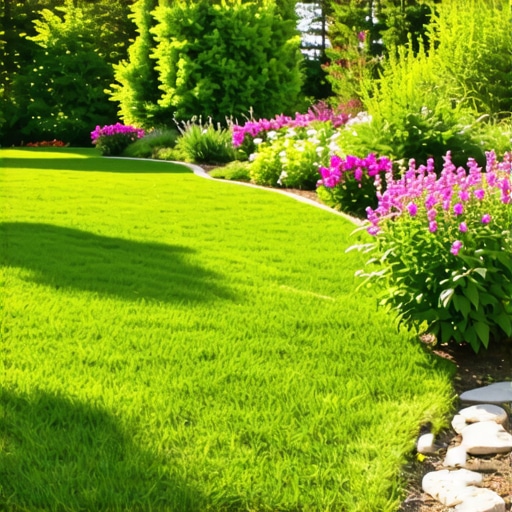
3 Sustainable Curb Appeal Ideas Using High-Performance Native Plants
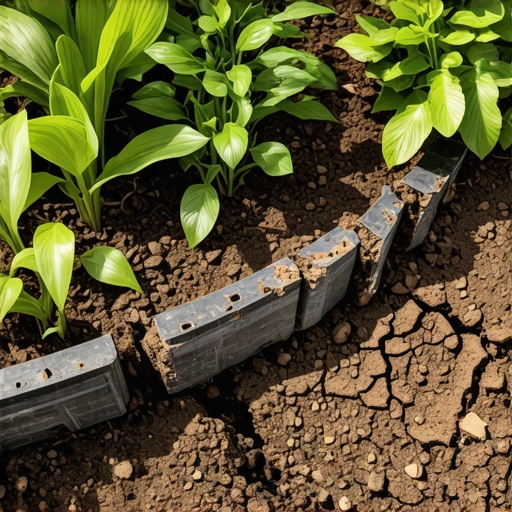
I always drill into my new crew members: if you don’t fix the soil grading first, every plant you put in the ground is just expensive compost. I have seen too many greenhorn contractors throw a $500 specimen tree into a hole with no drainage, effectively creating a subterranean bathtub that drowns the root flare within three months. Real landscaping isn’t about what looks pretty on day one; it is about the engineering of the soil and the biological compatibility of the flora. When we talk about curb appeal, the average homeowner thinks of paint and mulch. I think of soil horizons, Cation Exchange Capacity (CEC), and the structural integrity of the root-to-soil interface. If you want a yard that doesn’t require a life-support system of synthetic chemicals and 40,000 gallons of water a month, you have to look at native species as high-performance biological assets.
Why Native Plants Outperform Exotic Nursery Stock for Curb Appeal
Native plants establish deep root systems that thrive in local soil biology without the need for synthetic NPK fertilizers. By matching USDA hardiness zones to local ecotypes, homeowners reduce irrigation costs and eliminate the risk of invasive species choking out the landscape design. Most nursery stock found at big-box stores is cloned for visual uniformity, not regional survival. These plants often lack the mycorrhizal associations needed to pull nutrients from dense clay or sandy loam. When you install indigenous species, you are utilizing 10,000 years of evolutionary R&D. These plants know how to handle your specific freeze/thaw cycles and late-summer droughts. They aren’t just decorations; they are the foundation of a functional ecosystem that stabilizes your property value.
“Native plants are the backbone of a healthy ecosystem, providing the essential food and shelter that local wildlife, including pollinators and birds, depend on to survive.” – Penn State State Extension Office
1. The Structural Native Perennial Border
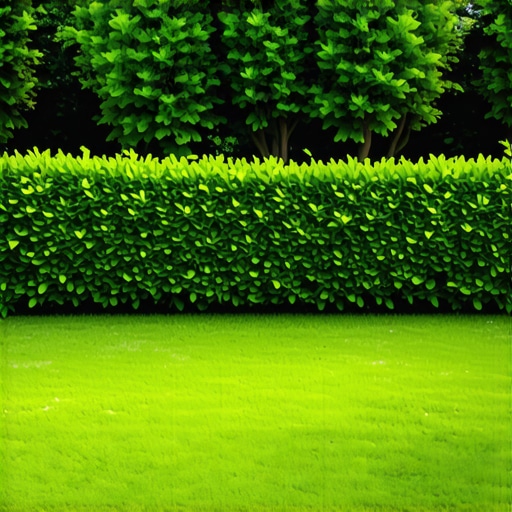
Forget the traditional hedge of boxwoods that requires monthly shearing and is prone to blight. Instead, look at a tiered perennial border using species like Baptisia australis (False Indigo) or Asclepias tuberosa. The trick to curb appeal is layering. You need an anchor layer, a mid-story, and a ground-level green mulch. We start by analyzing the soil’s bulk density. If the ground is compacted from years of heavy mower traffic, we use a broadfork to aerate without flipping the soil profile. This preserves the fungal networks. We then install the larger perennials in a staggered pattern. This isn’t just for aesthetics; it creates a windbreak and reduces soil evaporation rates. Native perennials often have taproots that extend 5 to 15 feet into the earth. This is a massive engineering advantage. These roots act as biological drills, opening up channels for water to reach the subsoil, which reduces the hydrostatic pressure against your home’s foundation during heavy rain events.
How much modified gravel do I need for a patio base?
To calculate the required modified gravel for a patio base, multiply the square footage by the desired depth (minimum 4 to 6 inches for pedestrian traffic) and divide by 27 to find cubic yards. Proper compaction of an ASTM D1557 compliant sub-base is critical to prevent paver settling and heaving. Don’t skip the plate compactor. If the base isn’t solid, the stone will migrate. I have seen $20,000 patios turn into a topographical map of the Himalayas because someone thought 2 inches of sand was a sufficient base. It isn’t. You need a crushed stone base that allows for vertical drainage while maintaining horizontal stability.
| Maintenance Factor | Native Landscape | Traditional Turf/Exotics |
|---|---|---|
| Weekly Irrigation | 0 to 0.5 inches | 1.5 to 2.5 inches |
| Fertilizer Requirements | None (Organic Cycling) | High (Synthetic NPK) |
| Pest Resistance | High (Co-evolved) | Low (Needs Pesticides) |
| Root Depth | 3 to 15 feet | 2 to 4 inches |
| Carbon Sequestration | High | Low |
2. Replacing High-Maintenance Turf with Native Grasses and Sedges
The American obsession with the monoculture lawn is a horticultural tragedy. It is the most resource-intensive crop in the country and provides zero ecological value. If you want real curb appeal that stands out, replace portions of your lawn with native grasses like Schizachyrium scoparium (Little Bluestem) or Carex species. These plants don’t require weekly scalping with a gas-powered blade. From a garden design perspective, native grasses provide movement and texture that a flat green carpet cannot match. Technically, these grasses are superior for erosion control. Their fibrous root systems lock the soil in place better than any plastic mesh. When we install these, we focus on the crown of the plant. Planting too deep is a death sentence; the root flare must be exactly level with the finished grade. We avoid the “mulch volcano” at all costs. Piling mulch against the stems of native grasses or trees traps moisture and invites fungal pathogens and rodent damage. Keep the mulch back. Let the plant breathe.
What are the best low-maintenance native plants for front yards?
The best low-maintenance native plants for front yards include Coneflowers (Echinacea), Switchgrass (Panicum virgatum), and Oakleaf Hydrangea. These species are selected for their drought tolerance, pest resistance, and ability to provide seasonal interest without constant pruning or supplemental watering. Choosing plants that are indigenous to your specific ecoregion ensures they can withstand local weather extremes. Avoid the temptation of the “clearance rack” at big stores; those plants are often root-bound and stressed before they even hit the soil.
3. Hardscaping with Native Permeable Groundcovers
When we design a walkway or a small patio, we integrate the hardscape with the biology of the site. Instead of a solid slab of poured concrete which increases runoff and contributes to heat island effects, we use permeable pavers or dry-laid flagstone with native groundcovers in the joints. Species like Phlox subulata (Creeping Phlox) or native mosses thrive in these micro-climates. This approach manages 100 percent of the rainwater on-site. The engineering here is in the sub-base. We use a graduated stone base: #3 or #4 stone for the bottom 8 inches, followed by #57 stone, and then a setting bed of fine screenings. This creates a reservoir under your feet. The water doesn’t run off into the street; it filters slowly back into the aquifer. This prevents the soil around your driveway from becoming a saturated mess. It is clean, it is functional, and it looks like it belongs in the landscape rather than being a foreign object dropped onto it.
“A retaining wall doesn’t fail because of the stone; it fails because of the water trapped behind it.” – Hardscape Engineering Axiom
- Soil Test First: Never guess on pH or nutrient levels. A $20 lab test saves $2,000 in dead plants.
- Check Your Grading: Ensure a minimum 2 percent slope away from all structures.
- Select Straight Species: Avoid “cultivars” if you want the full ecological benefit of native plants.
- Kill the Weeds Properly: Use sheet mulching (cardboard and woodchips) instead of glyphosate to prep the site.
- Water for Establishment: Even natives need deep watering for the first 12 months to establish those deep roots.
The “settling in” period for a native landscape is roughly three years. In the first year, they sleep. In the second year, they creep. In the third year, they leap. During that first year, your job is to monitor the soil moisture at a depth of 4 inches. Don’t trust the surface; it lies. Dig a small finger-hole. If it is dry at 4 inches, water deeply. By year three, you will have a landscape that is self-sustaining. You will be the only one on the block not tethered to a garden hose or a spreader full of nitrogen. That is the real power of native garden design. It is efficient, it is resilient, and it is built on a foundation of solid engineering. Do it right the first time. Don’t skip the prep. Your yard isn’t a hobby; it is a long-term infrastructure project. Treat it like one.
![Fixing Muddy Side Yards for Under $100 [Fast Fix]](https://lawnmajesty.com/wp-content/uploads/2026/09/Fixing-Muddy-Side-Yards-for-Under-100-Fast-Fix.jpeg)