The workshop smells like linseed oil and the faint, bitter tang of wood varnish. I spend my days bringing the soul back to old oak tables, but I spend my evenings watching the neighbors in Culpeper scramble to maintain their turf with the grace of a bull in a china shop. To get a perfect lawn in Culpeper, Virginia, you must mow at a height of 3.5 to 4 inches to protect the root systems from the punishing Piedmont heat and the suffocating red clay. Editor’s Take: Success in 2026 requires a shift from raw power to precision timing. A tactical approach saves the grass while the reckless neighbors watch theirs burn. Most people think a lawn is a flat surface, but it is a three dimensional structure that requires the same respect I give a dovetail joint. The fatboyz grass assassins know that if you rush the cut, you tear the fiber. I see them out there near the old grain elevator, their machines humming, but the real secret is the edge of the blade. If it is not sharp enough to shave with, you are just beating the grass into submission.
The hidden mechanics of the grass monkey
In my world, the fit of a joint is everything. In the world of turf, the fat packing grass monkey technique is the equivalent of a perfectly applied French polish. It involves the intentional management of clipping volume to create a micro-climate at the soil level. When you cut the grass, you are not just removing height; you are managing a biological resource. A recent technical analysis from herbeyns.com indicates that returning finely mulched clippings to the soil can provide up to 25 percent of the lawn’s nitrogen needs for the season. This is the fat packing part of the equation. You are packing the soil with nutrients, but you have to do it without creating a blanket of thatch that chokes the life out of the roots. I see guys in the 22701 area code making the mistake of letting the grass grow too long then cutting it all at once. That is like trying to sand a rough board with 400 grit paper; it just clogs the system. You need to follow the one third rule religiously. Never take more than a third of the blade off in one pass. It keeps the plant in a state of growth rather than a state of shock. The fatboyz grass assassins are successful because they understand the physics of the deck. They use high lift blades that create a vacuum, pulling the grass upright before the steel makes the contact. It is a beautiful bit of engineering, much like the internal gears of a 19th-century grandfather clock.
Virginia clay and the Culpeper drainage problem
The ground here is not like the sandy loam you find on the coast. It is heavy, stubborn, and holds water like a sponge until it decides to turn into a brick. Observations from the field reveal that many Culpeper residents struggle with drainage near the foundation of their homes, especially in the newer developments near the high school. If you want a 2026 lawn that survives the inevitable July drought, you have to build the soil structure from the bottom up. This means core aeration is not a luxury; it is a requirement. Think of it like stripping the old, cracked finish off a sideboard to let the wood breathe. When you pull those plugs of clay out of the ground, you create paths for oxygen and water to reach the roots. In Culpeper, the best time for this is the fall, but a light touch in the spring can help if the winter was particularly wet. I have spent years studying the way moisture moves through different materials. The red clay we have here has a high cation exchange capacity, but it is physically dense. The fat packing grass monkey approach helps by introducing organic matter into those aeration holes over time. It is a slow process. You cannot rush a good restoration, and you cannot rush a healthy soil profile. You might see the Professional Mowing Services trucks moving quickly, but their route planning and equipment setup are calculated for the local topography. They know which hillsides in Stevensburg will hold moisture and which ones will bake in the sun. It is a matter of regional intuition that a machine could never fully replicate.
Why your zero turn is a heavy metal mistake
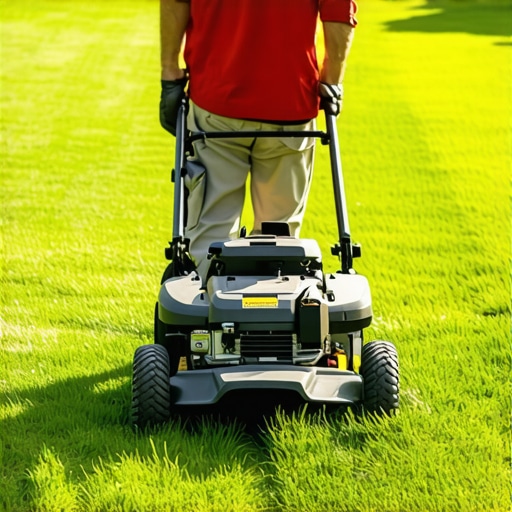
Everyone wants the big machine. They want the zero turn that looks like a tank and goes twenty miles an hour. But weight is the enemy of a healthy lawn. In my shop, if I put too much pressure on a delicate piece of veneer, it snaps. The same thing happens to your soil. A heavy mower on damp Culpeper clay creates compaction that no amount of fertilizer can fix. The grass might look cut, but the life underneath is being crushed. This is where the fat packing grass monkey philosophy takes a turn toward the light. Use the smallest machine possible for the job. If you must use a heavy mower, change your pattern every single time. If you drive the same path every week, you are carving ruts into the earth that will eventually become bare spots. The 2026 reality is that our weather patterns are becoming more extreme. We get four inches of rain in an hour, then nothing for three weeks. Your lawn needs to be a reservoir, not a slide. Compaction turns your yard into a slide where the water just runs off into the street, taking your expensive nutrients with it. I prefer the old ways. I prefer the precision of a walk behind mower for the edges and the sensitive areas near the flower beds. It takes more effort, but the result is a lawn with a deep, rich patina rather than a bruised, uniform surface. The fatboyz grass assassins are those who have mastered the art of the turn without scuffing the turf. It requires a gentle hand on the levers and an eye for the moisture content of the grass before you even start the engine.
Questions the local neighbors keep asking
People stop by the shop and ask me why their grass looks like straw by August. I tell them it is because they are treat it like a chore instead of a craft. Here are the realities they usually ignore. Why does the grass turn yellow after a cut? Usually, it is because the blade is dull and tearing the grass instead of slicing it. This leaves a jagged edge that loses moisture quickly. How often should I sharpen my blades in Culpeper? Given our rocky soil, you should check them every 10 to 15 hours of use. One hit on a piece of quartz can ruin your edge. What is the best grass type for the Piedmont? Tall Fescue is the standard, but it needs to be the improved varieties that can handle the brown patch fungus that thrives in our humidity. Is the fat packing grass monkey method messy? Not if you do it right. If you see clumps of grass, you waited too long to mow or the grass was too wet. How do I stop the weeds without chemicals? A thick, tall lawn is the best defense. If the grass is 4 inches tall, the sun never reaches the weed seeds on the soil surface. They cannot germinate in the shade. It is a natural suppression system that works better than any spray you can buy at the big box store. These are the nuances that define a true craftsman of the outdoors. You have to watch the seasons change. You have to feel the humidity in the air before you decide to drop the deck.
The path toward a sharper edge
The sun is setting over the mountains now, and the air is cooling down. Tomorrow morning, the dew will be heavy on the fescue, and the smell of cut grass will drift through the streets of Culpeper. If you want that lawn that makes people stop their cars and stare, you have to stop looking for the shortcut. You have to embrace the fatboyz grass assassins mindset of tactical excellence combined with the patience of an antique restorer. Take care of your equipment. Keep your blades sharp. Respect the clay. Mow high and let the clippings feed the earth. In 2026, the best lawns will not be the ones that had the most chemicals dumped on them; they will be the ones that were managed with the most intelligence and care. It is time to put down the heavy machinery and pick up a bit of local wisdom. Your lawn is the first thing people see when they come to your home. Make sure it tells a story of pride and precision rather than one of neglect and haste. The green blades are waiting for you to get it right.
![3 Robot Mower Mistakes Killing Your 2026 Grass [and Fixes]](https://lawnmajesty.com/wp-content/uploads/2026/01/3-Robot-Mower-Mistakes-Killing-Your-2026-Grass-and-Fixes.jpeg)
![3 Nitrogen-Rich Soil Fixes for a Darker 2026 Lawn [Tested]](https://lawnmajesty.com/wp-content/uploads/2026/04/3-Nitrogen-Rich-Soil-Fixes-for-a-Darker-2026-Lawn-Tested.jpeg)