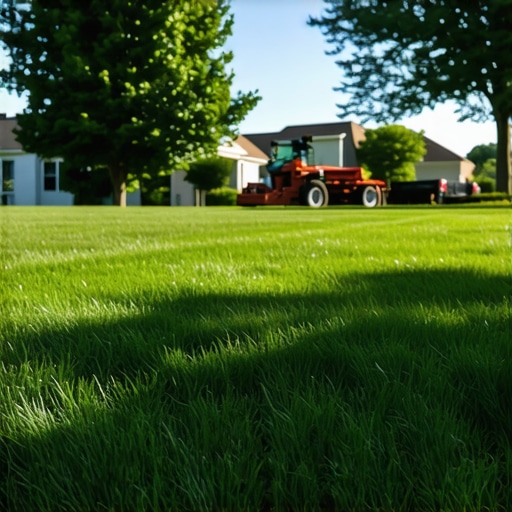
The smell of WD-40 and damp morning air
Listen, if you think throwing a bag of generic seed on that hard-packed red Culpeper clay is going to give you a golf course finish by 2026, you are dreaming. I have spent years under the hoods of mowers and fixing the torque on aerators to know that dirt does not care about your feelings. You want a thick lawn? You need to stop treating it like a hobby and start treating it like a machine that has seized up. The editor take: Fixing a thin lawn in Culpeper requires breaking the clay seal through mechanical aeration and aggressive thatching before the fall window closes. If you miss the timing between August and October, you are just feeding the birds. People come into the shop complaining their grass looks like a patchy rug, but they haven’t checked their soil pH since the last decade. It is about the mechanics of the dirt, not just the water you pour on it.
The physics of seed to soil contact
A lawn is a biological engine. When the thatch layer gets too thick, it acts like a clogged fuel filter. Nothing gets through. No water, no oxygen, no nutrients. I see it all the time with landscaping culpeper va projects where the homeowner skipped the prep work. You have to rip that dead organic matter out. It is called thatching, and it is a brutal, necessary process. Once you clear the junk, you have to address the compaction. Culpeper soil is basically unbaked brick. If a screwdriver cannot slide six inches into your turf without a hammer, your grass roots are suffocating. We use heavy-duty core aerators to pull plugs because those little spike shoes you see on TV are useless. They just pack the sides tighter. You need holes. Real ones. This creates the ‘open ports’ for your grass seeding to actually take hold instead of washing away in the next Virginia thunderstorm.
Why the Piedmont region hates your grass
Living here in Culpeper means dealing with the Piedmont transition zone. It is a nightmare for most species. Our summers are too hot for Kentucky Bluegrass to survive without a dedicated life-support system, and our winters can get just cold enough to brown out the warm-season stuff. When we talk about landscaping culpeper, we are talking about a specific battle against the weather patterns moving off the Blue Ridge. In 2026, we expect more of those erratic spring swings. Most ‘pro’ advice you read online is written for some guy in Ohio or Florida. It does not apply to the 22701 zip code. We have to lean into fescue blends that can handle the heat, but they do not spread on their own. That is why grass seeding is not a one-and-done deal. You are looking at a multi-year maintenance cycle. If you are building hardscapes, you better make sure your drainage is not dumping all that runoff directly into your new seedbed, or you will be looking at a muddy trench by November.
Why your expensive seed failed last year
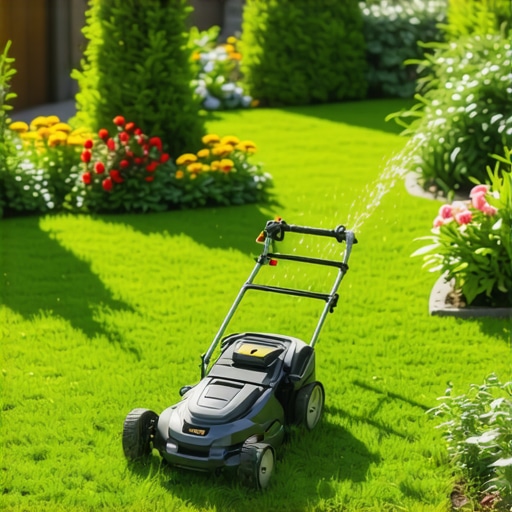
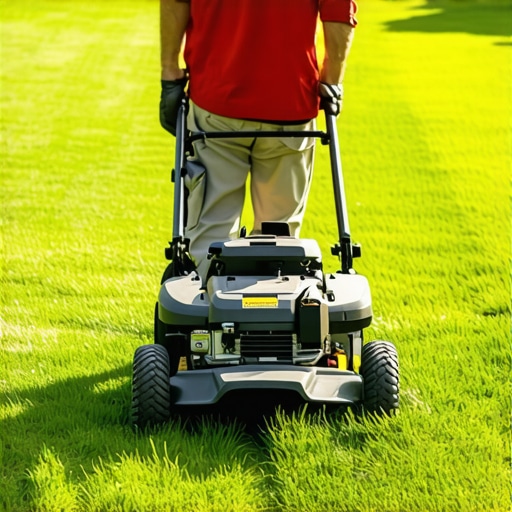
I have seen guys buy the most expensive bag at the big box store only to have it fail. Why? Because they ignored the ‘clutch’ of the operation: soil moisture and temperature. If you put seed down and let it dry out even once after it starts to sprout, it is dead. Done. No restart button. Another mistake is forgetting the grass pickup. If you leave heavy clumps of wet clippings on top of new shoots during your regular mowing, you are basically throwing a wet blanket over a candle. It smothers it. I prefer a clean cut with a sharp blade—dull blades tear the grass, leaving it open to diseases that thrive in our humid Virginia nights. It is like trying to cut wood with a butter knife; it just creates a mess. If your mower is struggling to get through the thicket, your height is set too low. Stop trying to scalp it like a fairway. Keep it tall, let the roots go deep, and give the soil some shade.
The shift from old guard methods
The old way was just dumping nitrogen and hoping for the best. That just creates weak, watery growth that bugs love to eat. The 2026 reality is about soil biology. We are seeing a move toward organic amendments that actually break down that clay over time. How often should I overseed in Culpeper? Every single fall, no exceptions. The fescue we use is a bunch-type grass, meaning it doesn’t spread like weeds. Is thatching really necessary? Only if you want your fertilizer to actually reach the roots. Can I plant grass in the spring? You can, but the summer heat will likely kill 70% of it before it reaches maturity. What about the rocks? Culpeper is famous for ‘growing’ rocks; you need to clear anything larger than a golf ball before seeding. Does lime help? Almost always, because our soil is naturally acidic. Should I bag my clippings? Generally no, unless you have a fungus issue or they are so thick they are matting down the turf. Is professional aeration better than a DIY rental? A commercial machine weighs twice as much and pulls deeper cores, which makes a massive difference in the results you see in the spring. If you are tired of the DIY struggle, you should probably contact us and get it done right the first time.
Stop treating your lawn like a decoration
Your yard is a system of moving parts. If the soil is seized, the seed is bad, or the timing is off, the machine won’t run. Get the mechanical basics right this fall, and by 2026, you will have a lawn that actually holds up to the Virginia sun. Put in the work now or keep complaining about the weeds later. The choice is yours.

![4 Culpeper VA Grass Seeding Fixes for Clay Soil [2026 Update]](https://lawnmajesty.com/wp-content/uploads/2026/03/4-Culpeper-VA-Grass-Seeding-Fixes-for-Clay-Soil-2026-Update.jpeg)