The Anatomy of a Dying Lawn: A Forensic Autopsy of Clay Compaction
When you walk across a yard in late August and it feels like you are trekking over sun-baked brick, you are witnessing the structural failure of your soil. I have spent two decades diagnosing why high-end landscapes turn into brown, crispy graveyards by mid-summer, and the culprit is almost always the same: high bulk density in heavy clay. When clay particles are compressed, the pore space—the tiny voids between soil particles that hold air and water—disappears. Without those voids, oxygen levels plummet, and the grass roots literally suffocate. It is a slow, agonizing death that no amount of surface watering can fix. In fact, if you keep dumping water on top of compacted clay, you are likely just creating a shallow pool that will heat up in the 2026 sun, boiling the roots from the inside out. I see it every year. It starts with a slight graying of the turf, followed by total crown dehydration. By the time the grass turns yellow, the damage to the root architecture is often irreversible.
The Chemical Nightmare: A Cautionary Tale of Granular Greed
A homeowner called me in a panic last season after they completely torched their front lawn by applying a heavy dose of 30-0-4 granular fertilizer during a dry spell. They thought they were helping, but on heavy clay, granular salts that do not dissolve immediately become a toxic layer. Because the clay was so compacted, the fertilizer sat right at the crown of the grass. When a light morning dew hit it, it created a concentrated brine that sucked every bit of moisture out of the plant cells. This is called osmotic stress, and in clay yards, it is a death sentence. I had to come in and perform an emergency soil flush, but 40 percent of the turf was already toasted. This is why I am moving my high-end clients toward liquid soil fixes. You cannot just throw salt on a wound and expect it to heal. You need to change the soil chemistry from the inside out.
“Clay soils have a high water-holding capacity but a low infiltration rate, making them prone to surface runoff and compaction.” – University of Maryland Extension
Why Clay Soil Lawns Burn by Mid-Summer
Clay soil lawns burn because the **high bulk density** prevents deep root penetration, forcing the grass to rely on the top two inches of soil for moisture. When surface temperatures rise, this shallow zone dries out instantly, leading to **localized dry spots** and permanent wilting point stress in the turfgrass. If your soil pH is also out of whack, the plant cannot even take up the nutrients that are present, leading to a total system collapse.
How much water does clay soil actually need?
In a clay environment, you must provide exactly one inch of water per week, delivered in two deep sessions of 0.5 inches each. This forces the roots to chase the moisture downward as the surface dries. Watering every day for ten minutes is the fastest way to kill a lawn on clay. It encourages shallow roots that cannot survive a 90-degree day.
The 3 Liquid Fixes for 2026 Turf Resilience
1. Liquid Aeration (The Surfactant Strategy)
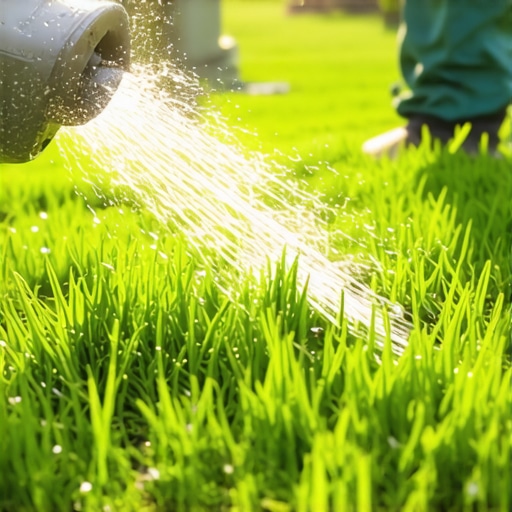
Traditional core aeration has its place, but liquid aeration is a game changer for clay. These products use powerful surfactants, often ammonium lauryl sulfate, to break the surface tension of the water. This allows moisture to penetrate deep into the microscopic plate-like structures of the clay. Instead of just pulling a few plugs, you are chemically opening the entire soil profile. I tell my crew: if the water is beading on the surface, the lawn is dying. Liquid aerators ensure that every drop of irrigation actually reaches the 6-inch mark. This increases the total water-holding capacity of the root zone and reduces the PSI required for roots to push through the soil. You should see a noticeable difference in soil ‘give’ within three weeks of application. Use a high-quality surfactant with at least 40% active ingredients for the best results.
2. Humic and Fulvic Acids (The Carbon Bridge)
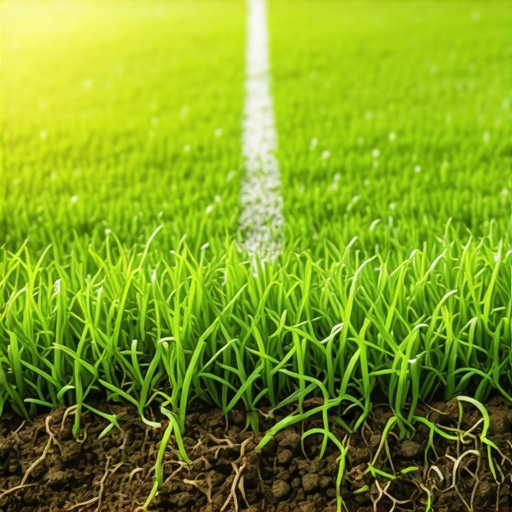
Clay is often high in minerals but catastrophically low in organic carbon. This lack of biology means the soil becomes ‘dead.’ Humic acid acts as a chelator, binding to nutrients and making them available to the plant. Think of it as a bridge between the soil and the root. In heavy clay, humic acid helps to flocculate the soil particles—grouping the tiny clay plates into larger ‘peds.’ This creates larger pore spaces for air and water to travel through. I prefer a concentrated liquid humate derived from Leonardite. It provides an immediate carbon hit that feeds the soil microbes, which in turn produce the ‘glues’ (like glomalin) that maintain soil structure. Without carbon, your clay is just a sterile mineral desert. Applying this twice in the spring and once in the fall can shift your soil structure permanently over a 24-month period.
3. Chelated Iron and Sea Kelp Extracts (The Hormonal Shield)
When the 2026 heat waves hit, your grass needs more than just water; it needs a defense mechanism. Sea kelp contains cytokinins and auxins, which are natural plant hormones that stimulate root growth and help the plant manage heat stress. By applying these in a liquid foliar spray, the plant absorbs them instantly. Chelated iron provides a deep green color without the surge growth caused by nitrogen. This is critical. You do not want to push heavy top growth during a heat wave because the roots cannot support it. The goal is a tough, resilient plant with a deep root system. I’ve seen lawns treated with kelp extracts stay green 10 days longer during a drought than untreated neighbors. It is like an insurance policy for your turf’s cellular integrity.
“Soil compaction is the single most difficult challenge for turfgrass management in urban environments.” – Penn State Center for Turfgrass Science
Can liquid aeration replace core aeration?
While liquid aeration covers more surface area and doesn’t leave messy plugs, it does not remove physical mass like a core aerator. For severely compacted clay (over 300 PSI on a penetrometer), I recommend a hybrid approach: core aerate first, then immediately apply liquid humates to fill those holes with high-quality organic matter. This provides the best of both worlds.
Comparison of Soil Amendment Methods
| Method | Action on Clay | Pros | Cons |
|---|---|---|---|
| Core Aeration | Physical removal of soil plugs | Immediate oxygen boost | Messy, skips areas between holes |
| Liquid Aeration | Chemical tension reduction | 100% coverage, no mess | Requires multiple applications |
| Humic Acid | Carbon loading / Flocculation | Builds soil structure | Slow acting, needs consistency |
| Top Dressing | Adding 1/4″ compost | Best long-term fix | Extremely labor intensive/expensive |
The 2026 Clay Defense Checklist
- Test your soil pH: Aim for 6.5 to ensure nutrient availability.
- Apply liquid aerator in early May before the ground bakes hard.
- Mix humic acid with every liquid fertilizer application to increase efficiency.
- Raise mower height to 4 inches; taller grass shades the soil and keeps it cooler.
- Monitor for ‘hot spots’ where clay is most dense and spot-treat with extra surfactants.
- Avoid heavy equipment on the lawn when it is wet to prevent further compaction.
Clay is a stubborn beast. It requires an engineering mindset to manage properly. You cannot just ‘mow and blow’ your way to a great lawn when you are dealing with heavy soil. You have to be proactive. If you wait until the grass is brown to start these treatments, you have already lost the battle. Start the liquid fixes now, build that carbon base, and break that surface tension. Your lawn will thank you when the July sun starts beating down. It is about biology, chemistry, and persistence. Do not skip the details. The dirt never lies.
This post really highlights how important proactive soil management is, especially on heavy clay soils prone to compaction. I’ve personally found that integrating liquid aeration with humic acid applications has made a dramatic difference in my clients’ lawns over the past couple of seasons. It’s fascinating how breaking surface tension chemically can be as effective, if not more, than traditional core aeration, without the mess. I do wonder, in your experience, how often should homeowners expect to see visible improvements after applying these liquid fixes? Also, has anyone experimented with combining these methods with organic matter topdressing for long-term stabilization? Would love to hear if that’s a viable strategy for aging, heavily compacted lawns.