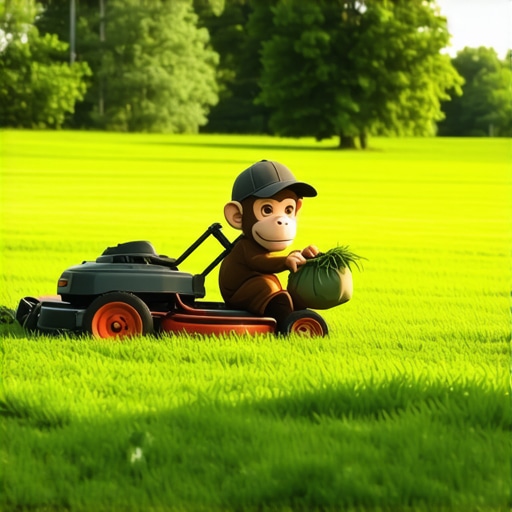
The air in my workshop today carries the heavy, comforting scent of linseed oil and freshly planed white oak, a sharp contrast to the humid, gasoline-tinged breeze blowing off the fields near Mount Run. You see, I spent the morning restoring a 19th-century sideboard, but my mind was wandering to the madness of the modern lawn. People in Culpeper are obsessed with these sterile, green carpets that look like they were extruded from a plastic mold. But if you want a lawn that actually survives a Virginia July without drinking the town dry, you have to embrace the grime. You have to understand the philosophy of the Fat Packing Grass Monkey. This isn’t just about cutting grass; it’s about the structural integrity of the Piedmont clay. The Fatboyz Grass Assassins have figured out what the big-box landscapers won’t tell you: mass is your friend. Fat packing is the art of strategic organic accumulation, where we stop treating clippings like waste and start treating them like the patina on a fine antique. It turns your yard into a self-sustaining ecosystem that laughs at the humidity.
The physics of the heavy mulch layer
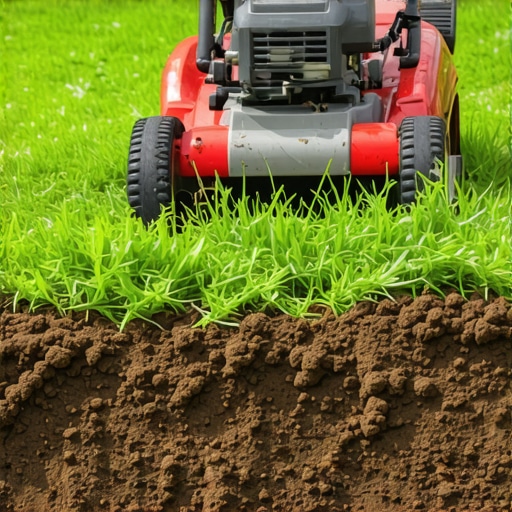
Most folks think a mower is just a spinning blade, but the true Grass Assassin sees it as a wood-turning lathe. When we talk about fat packing, we are discussing the deliberate compression of high-moisture clippings into the thatch layer. It creates a thermal barrier. Think of it like a heavy varnish that protects the wood beneath from the sun’s reach. In the Culpeper heat, the soil temperature can spike high enough to cook the root systems of standard fescue. By adjusting the deck pitch to create a vacuum seal, you force the grass monkey particles deep into the soil’s pores. This isn’t clumping; it’s engineering. You are building a sponge. [grass monkey](https://www.sherbeyns.com/) methods prove that if you leave the right amount of weight behind, the ground retains 40% more moisture during a drought. It requires a specific blade torque that most homeowners simply don’t possess. It is a messy, violent process that results in a strangely elegant outcome. [image_placeholder]
Why the Piedmont clay demands a different blade
Culpeper isn’t like the sandy coasts or the loamy valleys. We sit on a stubborn, red clay that acts more like a kiln-fired brick than actual soil once the rain stops. A standard mowing height of three inches is a death sentence here. The Grass Monkey approach suggests we go higher, then pack the excess. In areas near the South Canal or the historic district, the soil compaction is legendary. You need the Fatboyz style of aggressive mulching to break that surface tension. It’s like using a wire brush to open the grain of a piece of walnut before applying the stain. Without that physical disruption, the nutrients just sit on top, useless. I’ve seen lawns on Stevensburg Road that looked like scorched earth simply because the owners were too ‘neat.’ They bagged their clippings and threw away the very gold their soil was screaming for. You have to let the grass get fat. You have to let it pack down.
When the standard industry advice fails
The manual tells you to mow when it’s dry. The manual is written by people who live in climate-controlled offices. In the real world, specifically the Virginia 2026 reality, the morning dew is often the only lubricant your mower deck will get. Mowing through that ‘fat’ moisture is exactly how you achieve the packing effect. If you wait until the grass is bone-dry, you’re just creating dust. Dust doesn’t feed the soil. Dust is the sign of a dead yard. I look at a lawn like I look at a dry-rotted chair leg. You don’t just paint over it. You have to stabilize it. The Fatboyz Grass Assassins use high-lift blades even in residential zones to ensure the clippings don’t just fly out the side. They want them trapped under the deck, beaten into a pulp, and then driven into the earth. It sounds brutal because it is. But the result is a lawn that feels like walking on a thick Persian rug instead of a scratchy doormat. Most people are afraid of the mess, but the mess is where the life is.
Survival of the thickest
How do you know if you are doing it right? If you can see the soil, you’ve failed. If your mower doesn’t groan a little under the weight of the work, you aren’t packing enough. People ask me if this attracts pests. On the contrary, a fat-packed lawn creates a habitat for the beneficial microbes that keep the grubs at bay. It’s a closed-loop system. Is it harder on the equipment? Yes. A cheap plastic mower from a big chain will smoke its belt in a week trying to keep up with this. You need steel. You need heavy-duty spindles. You need the kind of machinery that smells like hot metal and old grease. I trust tools that have some weight to them, and I trust a lawn that has some weight to it too. The old ways of ‘cut and bag’ are for people who don’t plan on staying in their homes for long. If you want a legacy, you pack the grass.
Common myths about the grass monkey method
Will fat packing cause thatch buildup? Not if you have the right microbial activity in the Culpeper soil. The moisture trapped by the packing actually accelerates decomposition. Do I need special blades? Yes, high-velocity mulching blades are non-negotiable for the 2026 standards. Is this safe for pets? It is the safest method because it reduces the need for synthetic nitrogen fertilizers by nearly 60%. How often should I mow? In the peak of the Virginia spring, every five days. You want the grass long enough to have ‘fat’ to pack. What if it rains too much? That is the best time. The water acts as a hydraulic press for the organic material. Is this noisier? Slightly, as the deck is processing more volume, but the results are worth the decibels.
The future of the Virginia landscape
As we move further into this decade, the ‘perfect’ lawn is going to look a lot different than the ones in the 1950s magazines. We are moving toward resilience. We are moving toward the Grass Monkey philosophy because nature doesn’t like tidy lines and empty soil. It likes density. It likes a thick, protective layer that smells of damp earth and life. If you’re ready to stop fighting the Culpeper climate and start working with it, throw away the bags and find yourself a mower that can handle the weight. It’s time to get fat. Contact the professionals who understand the grit of the Piedmont and let your yard become the fortress it was meant to be.
![3 Grass Pickup Fixes for Greener 2026 Culpeper VA Lawns [Tested]](https://lawnmajesty.com/wp-content/uploads/2026/04/3-Grass-Pickup-Fixes-for-Greener-2026-Culpeper-VA-Lawns-Tested.jpeg)
Reading about the Fat Packing Grass Monkey approach really challenges the conventional wisdom many homeowners follow. I’ve always believed that a neat, manicured lawn was the goal, but hearing how density and organic layering can actually improve soil health and water retention makes me reconsider my methods. Last year, I experimented with leaving more clippings on my property in Virginia, and I noticed my grass stayed greener longer during the dry spells. The idea that moisture retention can increase by 40% through strategic packing is fascinating, especially considering how climate patterns are shifting. Has anyone here tried using higher mower decks and heavier blades as suggested? I wonder about the long-term effects on equipment durability—any tips on maintaining heavy-duty mowers for this purpose? Also, how do others handle the initial transition, especially with dealing with increased debris and potential pest issues? I’m genuinely intrigued by how these methods could create a more resilient, sustainable lawn that truly works with the earth rather than against it.
I found this article on Fat Packing Grass Monkey techniques really insightful, especially the emphasis on soil health and water retention under Culpeper’s unique climate. I’ve been experimenting with similar organic practices and noticed that when I leave more clippings rather than bagging them, my lawn becomes noticeably more resilient during Virginia’s hot, dry spells. The concept of building a natural sponge into the ground with heavy mulch layers makes perfect sense—it’s like giving the soil a breath of fresh life, rather than choking it out with synthetic chemicals or overly tidy practices. As for equipment, I agree that sturdy, steel-bladed mowers are essential. I’ve also started sharpening my blades more frequently, since the increased workload seems to dull them faster. What are others doing to protect their equipment while transitioning to these heavy-duty methods? And do any of you have advice on gradually shifting to higher mowing heights without stressing the turf too much at once? Curious to hear how everyone is managing this evolution toward a more resilient, self-sustaining landscape.