Why Your Pond Looks Like Pea Soup: The Forensic Autopsy
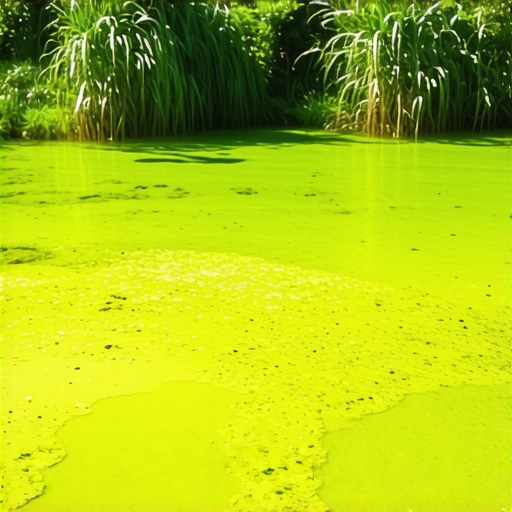
To fix a pond that has turned into a stagnant green mess, you must first diagnose the nutrient loading and eutrophication caused by excessive phosphates and nitrogen. Achieving crystal clear water by 2026 requires a biological balance between fish waste, decaying organic matter, and oxygen levels, rather than reaching for a bottle of copper sulfate.
I recently got called out to tear up a $30,000 patio and pond combo that was sinking and turned into a swamp because the previous contractor failed to account for hydrostatic pressure and surface runoff. The pond was positioned at the lowest point of the property with no grading to divert lawn fertilizer runoff. Every time it rained, nitrogen-rich lawn chemicals flooded the water, creating a 12-inch layer of anaerobic sludge at the bottom. The fish were gasping for air because the algae bloom was consuming all the dissolved oxygen at night. It was a structural and biological failure. We had to excavate the entire 45-mil EPDM liner, install a French drain behind the retaining wall, and restart the nitrogen cycle from scratch. Don’t be that homeowner. If you don’t fix the source of the nutrients, you’re just throwing money into a green hole.
“Excessive nitrogen and phosphorus concentrations are the primary drivers of eutrophication in closed aquatic systems, leading to rapid algae proliferation and oxygen depletion.” – Penn State Extension
Fix #1: Optimize the Nitrogen Cycle with Beneficial Bacteria
Beneficial bacteria act as the primary defense against algae by converting toxic ammonia and nitrites into nitrates, which are then consumed by aquatic plants. This process, known as biological filtration, requires a high Specific Surface Area (SSA) within your filter media to house the bacterial colonies. Most ‘mow-and-blow’ landscapers think a pond is just a hole with water, but it’s actually a pressurized biological reactor. You need to seed your pond with Nitrosomonas and Nitrobacter strains early in the spring when water temperatures hit 50°F. If your filter media is clogged with muck, the bacteria can’t breathe. Use a bottom drain or a high-efficiency skimmer to pull solids out before they break down into algae food. Stop overfeeding your koi; if the food isn’t gone in three minutes, it’s just fertilizer for the slime.
Fix #2: Mechanical Aeration and Dissolved Oxygen Management
Increasing dissolved oxygen (DO) levels is critical because it supports aerobic decomposition, which breaks down muck much faster than anaerobic processes without releasing foul odors. A pond without a sub-surface aerator or a properly sized waterfall will develop ‘dead zones’ where algae thrives in the stagnant heat. For a 2026 pond build, aim for a pump that moves the entire volume of the pond at least once every hour. If your pond is 2,000 gallons, you need a 2,000 GPH pump at the minimum head pressure. Check your PSI. If the pump is straining, the oxygen transfer rate drops. I’ve seen guys put a tiny fountain in a massive pond and wonder why the water is still black. It’s simple physics: more bubbles mean more gas exchange at the surface, which keeps the water moving and the algae at bay. It will rot if it stays still.
How much modified gravel do I need for a pond edge?
For a standard pond edge or hardscaping border, you typically need 2 to 3 inches of modified gravel (2A or 2B) over a compacted subgrade to prevent shifting. Use a non-woven geotextile fabric between the soil and the gravel to prevent the fines from migrating into your pond water and clouding it up.
Fix #3: Barley Straw and Natural Enzymatic Decelerators
Barley straw is a time-tested, non-toxic method that releases hydrogen peroxide in minute, safe amounts as it slowly decays in the presence of sunlight and oxygen. This chemical reaction inhibits the growth of new algae cells without killing your existing garden design or plants. Don’t just throw a whole bale in the water; that will cause an oxygen crash. Use concentrated barley straw extract or mesh bags placed near the waterfall where the water is highly oxygenated. This is a preventative measure, not a quick fix. You start this in March so that by June, the pond stays clear. It’s about preventative maintenance, not crisis management. Hardscape engineering often overlooks these soft-science solutions, but the chemistry doesn’t lie.
“A pond’s biological carrying capacity is determined by the surface area of its bio-media and the efficiency of its gas exchange, not merely the volume of the water.” – Aquatic Systems Engineering Manual
Fix #4: The Wetland Filter (The Ultimate Nutrient Sponge)
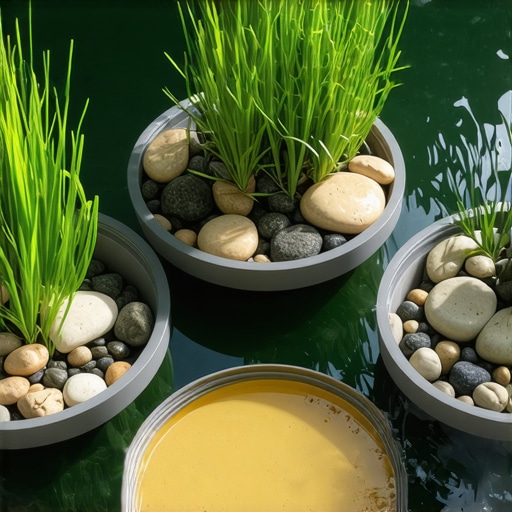
A wetland filter or bog filter is a dedicated area of the pond filled with aquatic plants and specific gravel layers that strips nutrients out of the water before it returns to the main pool. This is the gold standard for landscaping professionals. By forcing the water up through a bed of pea gravel and the roots of marginal plants like Iris or Pickerel Rush, you are creating a massive biological sponge. These plants literally eat the phosphates that algae need to survive. It is a competition for resources, and the plants always win if you set them up correctly. We use a centipede and snorkel vault system to allow for easy cleaning of the silt. If you don’t have a clean-out port, the bog will eventually clog and become a nutrient source itself. Don’t skip this.
Comparison of Non-Toxic Algae Control Methods
| Method | Target Mechanism | Cost Level | Maintenance Frequency |
|---|---|---|---|
| Beneficial Bacteria | Nutrient Digestion | Medium | Weekly |
| Sub-surface Aeration | Oxygen Saturation | High (Initial) | Monthly Check |
| Barley Straw Extract | Growth Inhibition | Low | Bi-weekly |
| Wetland Filtration | Phosphate Removal | Very High | Annual Flush |
Pond Clarity Maintenance Checklist
- Test water for Phosphate and Nitrate levels monthly.
- Clean skimmer baskets and mechanical filters every 3-5 days.
- Inspect pump intakes for debris to maintain GPH flow rates.
- Maintain a 50% to 60% plant cover on the pond surface to block UV rays.
- Flush the bottom drain or external pressure filter to remove solids.
How do I stop algae in my pond naturally?
To stop algae naturally, you must eliminate the limiting nutrient, which is usually phosphorus. This is achieved by installing a wetland filter, using beneficial bacteria, and ensuring the pond has at least 8-10 mg/L of dissolved oxygen. Avoid using any lawn care fertilizers within 20 feet of the pond edge to prevent runoff contamination.