Stop 2026 Rust on Garden Tools with This $5 Oil Hack
The Cost of Negligence in Professional Landscaping
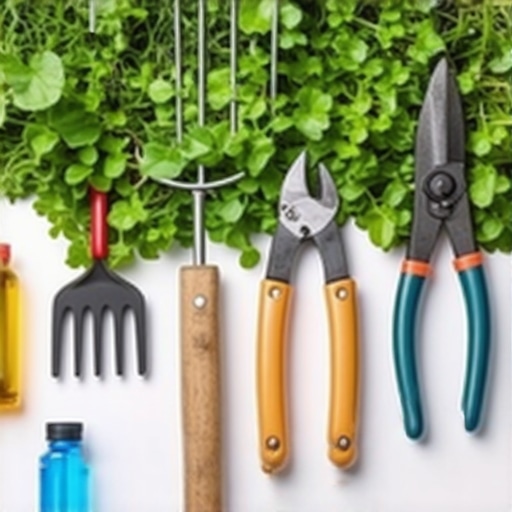
I always drill into my new crew members: if you don’t fix the soil grading first, every plant you put in the ground is just expensive compost. The same logic applies to the steel in your hands. I have seen apprentices ruin $200 Japanese topiary shears in a single season because they didn’t understand the basic chemistry of oxidation. When you are running a high-end landscaping firm, your tools are an extension of your engineering precision. A rusted spade isn’t just ugly; it increases the friction coefficient when cutting through heavy clay, forcing your back to do work the steel should be doing. Rust is a cancer for hardscape and garden design equipment. It starts as a microscopic pit and ends as a structural failure. If you want your kit to last until 2026 and beyond, you need to stop thinking like a weekend warrior and start thinking like a materials engineer.
Why Precision Maintenance Prevents Tool Failure in 2026
To prevent rust on garden tools by 2026, you must apply a thin layer of food-grade mineral oil or boiled linseed oil to the metal surface after every use to create an oxygen-impermeable barrier. This simple $5 oil hack stops the electrochemical reaction between iron, water, and oxygen that leads to hydrated iron(III) oxides, commonly known as rust. By sealing the porous surface of high-carbon steel, you maintain the tool’s structural integrity and cutting efficiency.
“Proper tool sanitation and maintenance are the first lines of defense against the spread of soil-borne pathogens like Fusarium and Verticillium. A clean, oiled tool does not harbor the microscopic debris where these fungi thrive.” – Agricultural Extension Service Manual
Steel is surprisingly porous under a microscope. When you plunge a shovel into the ground, you are exposing it to abrasive silica, moisture, and organic acids. These elements strip away the factory finish. Without a protective layer, the oxygen in the air begins to bond with the iron atoms. This isn’t just a surface stain; it is a metabolic process that consumes the metal. In 2026, you don’t want to be buying a new fleet of tools because you were too lazy to spend five minutes with a rag and a bottle of mineral oil today. High-carbon steel, while superior for holding an edge in lawn care and pruning, is particularly susceptible to this decay. It requires a hydrophobic coating to remain functional.
How much oil do I need for garden tool storage?
You only need enough to create a microscopic film on the surface of the metal. For a standard set of landscaping tools—a spade, a hoe, and a pair of loppers—a single 16-ounce bottle of $5 mineral oil will last an entire season. The goal isn’t to make the tools greasy; it is to displace moisture. When you wipe the tool down, the oil penetrates the micro-fissures in the steel. This is especially critical for tools used in hardscaping, where contact with stone dust and mortar can be highly corrosive. If you are working in regions with heavy salt air or high humidity, this maintenance isn’t optional; it is a daily requirement. One inch of neglect today results in a quarter-inch of rust by next year.
| Maintenance Material | Estimated Cost | Longevity Rating | Best Application |
|---|---|---|---|
| Mineral Oil | $5.00 | High | Cutting Blades & Spades |
| Boiled Linseed Oil | $12.00 | Very High | Wooden Handles & Steel |
| WD-40 (Solvent) | $7.00 | Low | Cleaning Only |
| Silicone Spray | $15.00 | Medium | Moving Mechanical Joints |
The Forensic Autopsy of a Rusted Pruner
I recently performed a ‘forensic autopsy’ on a pair of bypass pruners brought in by a homeowner who complained they ‘just stopped cutting.’ The pivot bolt was seized, and the blade was covered in orange scale. Because the steel was pitted, the blade couldn’t create a clean shear. Instead, it crushed the xylem and phloem of the plants he was pruning. This isn’t just a tool issue; it’s a plant health crisis. A crushed stem is an open door for rot. We had to soak the assembly in a vinegar bath to dissolve the iron oxide, but the damage was done. The micro-pitting meant the edge would never be ‘razor’ sharp again. He had to buy new ones. This failure was entirely preventable with a $5 bottle of oil and a rag.
“A retaining wall doesn’t fail because of the stone; it fails because of the water trapped behind it. Similarly, a tool fails because of the moisture trapped in its pores.” – Hardscape Engineering Axiom
When you are dealing with garden design, precision is everything. If your shears are sticking, your cuts are sloppy. If your shovel is rusted, your garden edges look like they were chewed by a dog. Professional lawn care requires tools that slide through the medium. Rust increases drag. Increased drag leads to operator fatigue. Fatigue leads to mistakes in the landscape. It is a domino effect that starts with a dry piece of metal and ends with a failed project. Don’t be the contractor who blames his tools when the tools were simply neglected.
What is the best way to remove rust from old garden tools?
To remove existing rust, submerge the metal parts in a 50/50 solution of distilled white vinegar and water for 24 hours. After soaking, use grade 0000 steel wool or a wire brush to scrub away the loosened iron oxide deposits. Once the metal is clean, neutralize the acid with a baking soda wash, dry the tool completely with a heat gun or hair dryer, and immediately apply a heavy coat of mineral oil to prevent flash rusting. This process restores the surface smoothness required for professional-grade landscaping work.
The Installation Process: The 5-Minute Oil Routine
This isn’t a complex operation, but it must be disciplined. I tell my crew: the job isn’t done until the tools are oiled. Steel is hungry for protection. Follow this checklist every Friday, or after any day spent in wet soil.
- Clean: Use a stiff brush to remove every spec of soil. Soil holds moisture against the metal.
- Dry: Wipe the tool with a dry microfiber cloth. If it’s been raining, use compressed air to blow water out of the pivots.
- Sharpen: Use a mill file to hone the edge. Sharpening removes the old, oxidized layer and exposes fresh molecules.
- Oil: Apply the $5 mineral oil to a rag and wipe down all metal surfaces. The metal should look wet but not be dripping.
- Store: Hang the tools. Storing them on a concrete floor invites moisture to wicking into the steel.
Mineral oil is the ‘secret weapon’ because it is chemically stable. It doesn’t turn rancid like vegetable oils and it isn’t toxic like motor oil. If you are pruning fruit trees or organic vegetable gardens, you don’t want petroleum distillates leaching into the vascular system of the plants. Mineral oil is food-safe and inert. It creates a barrier that lasts through the winter storage months. When you pull your tools out in the spring of 2026, they will be as sharp and clean as the day you bought them. Don’t skip this. It will save you thousands in equipment costs over the life of your career.
How do I protect wooden tool handles from rotting?
While mineral oil is great for steel, boiled linseed oil is the gold standard for wooden handles. Rub the oil into the wood until it stops absorbing. This prevents the wood from becoming brittle or waterlogged, which leads to handle snapping under heavy leverage loads during hardscaping excavations. A well-maintained ash or hickory handle can last thirty years if it is kept hydrated with the correct oils. If the wood feels ‘fuzzy,’ sand it down with 120-grit sandpaper before applying the oil to ensure maximum penetration into the grain.
![Why Your 2026 Hydrangeas Aren't Blooming [Fix]](https://lawnmajesty.com/wp-content/uploads/2026/07/Why-Your-2026-Hydrangeas-Arent-Blooming-Fix.jpeg)