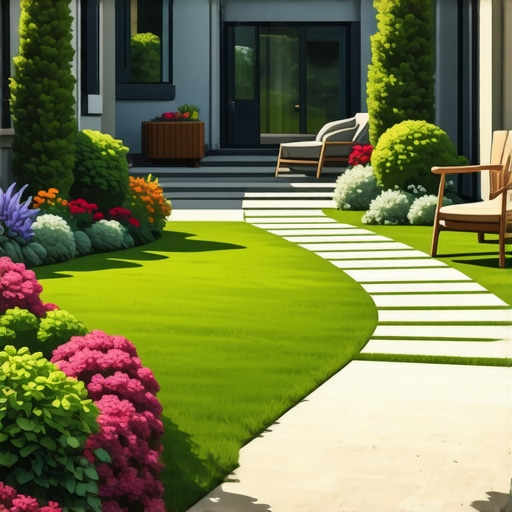
Last summer, I looked out my window and realized my lawn was a patchy, dull mess. Despite countless hours of effort, nothing seemed to make it truly vibrant. That was my lightbulb moment. I understood that staying ahead with modern lawn care and landscaping techniques isn’t just about aesthetics — it’s about investing in smart, effective strategies that yield stunning results. If you’ve ever felt frustrated after spending hours only to see lackluster greenery, then you know exactly what I mean.
Why Modern Lawn Care & Landscaping Matter More Than Ever in 2025
In today’s fast-paced world, traditional gardening methods no longer cut it. The landscape industry has evolved rapidly, integrating innovative techniques and smart technology to create lush, sustainable outdoor spaces. According to a recent study, over 60% of homeowners now prefer eco-friendly and low-maintenance landscaping solutions. This shift isn’t just trend-driven; it’s driven by a desire for beauty that lasts with less effort and environmental impact. Whether you’re aiming for a picture-perfect lawn or a modern garden oasis, understanding what’s new in 2025 can transform your outdoor space into a stunning retreat.
Have you faced the challenge of maintaining a beautiful yard without spending all your free time?
I used to struggle with overwatering, ineffective fertilization, and outdated landscaping ideas that just didn’t deliver. My early mistakes included ignoring soil health and over-relying on chemical solutions, which only worsened my lawn’s condition. Once I shifted my approach and embraced innovative hardscaping and modern lawn care tips, my yard transformed completely. If you’re ready to avoid those pitfalls and create a landscape that truly impresses, keep reading. We’ll explore practical, proven strategies that are trending in 2025, including effective hardscaping ideas and smart irrigation techniques. Want to see some inspiring transformations? Check out effective hardscaping strategies for a modern outdoor space.
Start with Soil Health and Testing
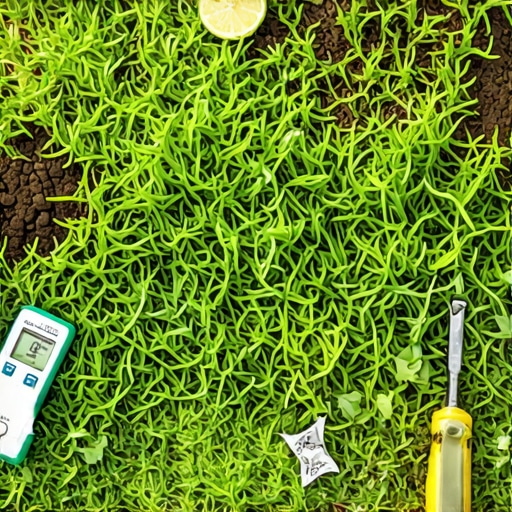
My first step was to understand what my lawn actually needed. I borrowed a soil testing kit from my local garden center and collected samples from different areas of my yard. Sending these off for analysis, I learned that my soil was lacking in essential nutrients and pH imbalance. This insight was crucial—like a doctor diagnosing an illness before prescribing treatment. Based on the results, I applied tailored amendments such as lime for acidity and organic compost to enhance soil vitality. This foundational step ensures your lawn can absorb nutrients efficiently, leading to healthier growth and a vibrant green color. For more on soil improvement, check out modern lawn care tips.
Implement Smart Irrigation Systems
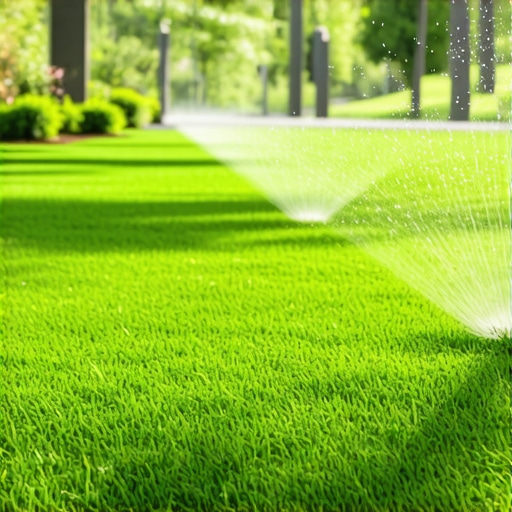
Next, I upgraded my old sprinkler to a smart irrigation system. It was like replacing a manual faucet with a programmable timer—saves water, time, and prevents overwatering. I installed soil moisture sensors that communicate with my app, allowing me to set watering schedules based on real-time data. One morning, I noticed my system detected the soil was moist enough, so it skipped watering, conserving water and preventing disease. This step is akin to giving your lawn a tailored hydration plan—consistent, efficient, and eco-friendly. For more on irrigation, visit hardscaping strategies.
Adopt Eco-Friendly and Low-Maintenance Landscaping
I replaced my high-maintenance flower beds with native plants and drought-tolerant grasses. It was like switching from a demanding pet to a low-maintenance companion—less fuss, more beauty. I selected plants suited to my climate, which thrived with minimal watering and fertilization. This not only reduced my workload but also supported local ecosystems. Using native plants is a cornerstone of modern landscaping—resilient, sustainable, and visually appealing. Explore landscaping design tips for more ideas.
Incorporate Hardscaping Elements
One of my game-changers was adding a modern stone patio and sleek pathways. It’s like giving your yard a frame—making the greenery pop while providing functional spaces. I used concrete pavers with a textured finish and integrated seating areas with built-in lighting. Hardscaping isn’t just about aesthetics; it’s about creating durable, low-maintenance features that elevate your outdoor living. For inspiration, look into effective hardscaping ideas.
Leverage Technology for Ongoing Maintenance
I invested in robotic mowers and weather sensors that notify me of upcoming storms. It was like having a personal gardener who works around the clock. These devices keep my lawn perfectly trimmed and prevent damage from overwatering or drought. Automation reduces manual effort and ensures consistent results. For more tech-forward tips, see modern garden design trends.
While many homeowners enthusiastically adopt new lawn care trends, there’s a common misconception that can undermine their efforts: the belief that more is always better. For instance, over-fertilizing or excessive watering might seem like quick fixes, but in reality, these actions can damage your lawn’s health over time. Understanding the nuanced balance between feeding and resting your grass is essential. Experts warn that overapplication of fertilizers can lead to nutrient runoff, polluting local waterways, and creating a pest-resistant lawn. The key is precision—using soil tests to determine exact nutrient needs and applying amendments judiciously. This approach not only promotes a lush, healthy lawn but also aligns with eco-friendly practices. To dive deeper into soil management, visit modern lawn care tips.
Are you unknowingly sabotaging your lawn’s health with common misconceptions?
Another widespread myth is the assumption that traditional chemical treatments are always the best solution. Many believe that pesticides and herbicides should be the first line of defense against weeds and pests. However, this mindset overlooks the power of integrated pest management (IPM), a sophisticated approach that combines cultural, biological, and mechanical controls to manage pests sustainably. Relying solely on chemicals can lead to resistant pests and environmental harm. Instead, focus on fostering a resilient lawn ecosystem—using native plants, encouraging beneficial insects, and practicing proper mowing techniques. According to research from the University of California, IPM strategies significantly reduce chemical use while maintaining healthy landscapes. Want to explore advanced lawn management methods? Check out landscaping design tips.
Common Mistake: Ignoring the Microbiome of Your Soil
Many enthusiasts overlook the importance of soil microbiology. Healthy soil teems with beneficial microbes that improve nutrient uptake, suppress diseases, and enhance plant growth. Applying chemical fertilizers without considering soil microbial health can disrupt this delicate balance, leading to a decline in soil vitality over time. Incorporating organic matter, avoiding excessive chemical use, and practicing crop rotation help sustain a vibrant soil microbiome. This nuanced understanding of soil ecology is crucial for achieving sustainable, low-maintenance lawns that thrive naturally. For a detailed guide on nurturing soil health, visit modern lawn care tips.
Have you ever fallen into this trap? Let me know in the comments. The more we understand these hidden nuances, the better our outdoor spaces become!
Maintaining your lush, modern landscape requires more than just initial planning and planting; it demands a commitment to effective tools, routine maintenance, and strategic upgrades. Over the years, I’ve found that investing in the right equipment and adopting disciplined maintenance routines can significantly extend the life and beauty of your outdoor space.
How do I maintain my modern landscaping tools over time?
First and foremost, regular cleaning is essential. For example, after each use, I wipe down my robotic mower with a damp cloth to prevent grass clippings and dirt from causing corrosion. Lubricating moving parts quarterly ensures smooth operation and minimizes wear, extending the equipment’s lifespan. For power tools like trimmers and blowers, I recommend storing them in a dry, climate-controlled space and inspecting cords and blades regularly for damage. This proactive approach prevents unexpected breakdowns and costly replacements.
When it comes to lawn irrigation, I highly recommend a smart controller that can be calibrated annually to match seasonal watering needs. I use soil moisture sensors that communicate with my system, reducing water waste and promoting healthier grass. Predictive maintenance for these systems involves checking for leaks, cleaning filters, and updating software firmware—steps that keep the system functioning optimally. As technology advances, I believe we’ll see even more integrated systems that predict failures before they happen, further simplifying maintenance.
Tools I recommend for long-term success
In my arsenal, a high-quality cordless electric trimmer has become indispensable. Its quiet operation and minimal maintenance needs make it perfect for quick touch-ups and edging. I choose models with brushless motors and lithium-ion batteries, which provide longer run times and durability. For lawn mowing, I prefer a robotic mower with GPS mapping capabilities, which I program weekly for precise, consistent cuts—saving me hours of manual effort.
Additionally, I utilize software like LawnRx to track fertilization schedules, weather patterns, and maintenance logs. This digital approach ensures I don’t overlook critical tasks, from aeration to overseeding. As the industry evolves, expect these tools to incorporate AI-driven diagnostics that alert you to potential issues before they impact your landscape.
Predictions for future maintenance trends
Looking ahead, I predict a shift toward fully autonomous landscaping systems that combine robotic equipment, IoT sensors, and AI analytics. These integrated solutions will continuously monitor soil health, plant vitality, and equipment status, providing real-time insights and automating routine tasks. Embracing these innovations now will position homeowners to enjoy sustainable, low-maintenance outdoor spaces with minimal manual effort.
Want to get started? Try upgrading your irrigation system with soil moisture sensors and a smart controller. This one change can greatly improve water efficiency and lawn health, setting the stage for a truly modern landscape.
The Hardest Lesson I Learned About Modern Lawn Care
One of my biggest lightbulb moments was realizing that soil microbiome health is the unsung hero of a vibrant lawn. I used to focus solely on fertilizers, but once I started nurturing beneficial microbes by adding organic compost and avoiding chemical overloads, my lawn truly transformed. It’s a game-changer that many overlook.
3 Myths About Landscaping That Held Me Back
Myth one: More chemical treatments mean faster results. I learned that integrated pest management and native plants deliver stunning, sustainable results without harmful chemicals. Myth two: Watering more keeps the grass greener. Instead, smart irrigation with soil sensors saves water and promotes healthier roots. Myth three: Hardscaping is just for looks. In reality, well-designed hardscapes add durability, functionality, and elevate your outdoor space’s aesthetic.
What Experts Won’t Tell You About Maintaining a Modern Lawn
Many experts emphasize soil testing, but what they often omit is the importance of ongoing microbiome care. Regularly amending soil with organic matter and practicing crop rotation helps keep beneficial microbes thriving, which naturally reduces pests and diseases. This holistic approach ensures your lawn remains lush with minimal intervention.
Curated Recommendations: My Essential Tools for Modern Lawn Success
First, I swear by soil testing kits; they provide crucial insights into nutrient imbalances. Next, smart irrigation controllers with soil moisture sensors help me conserve water while keeping the grass healthy. For maintenance, a cordless electric trimmer with brushless motors offers durability and ease of use. Lastly, software like LawnRx helps me track fertilization schedules and weather patterns, making lawn care systematic and less stressful.
The Future of Lawn Maintenance: Embrace Action
Don’t wait for your lawn to suffer before upgrading your approach. Start with integrating soil microbiome-friendly practices and smart watering systems. These small changes will set the foundation for a lush, sustainable outdoor space that you’ll be proud of. Remember, modern lawn care isn’t just about aesthetics—it’s about creating a resilient landscape that thrives naturally. Your journey toward a stunning lawn begins today—are you ready to take that first step? Let me know in the comments how you plan to innovate your outdoor space!
,
![3 Nitrogen-Rich Soil Fixes for a Darker 2026 Lawn [Tested]](https://lawnmajesty.com/wp-content/uploads/2026/04/3-Nitrogen-Rich-Soil-Fixes-for-a-Darker-2026-Lawn-Tested.jpeg)
![3 Robot Mower Mistakes Killing Your 2026 Grass [and Fixes]](https://lawnmajesty.com/wp-content/uploads/2026/01/3-Robot-Mower-Mistakes-Killing-Your-2026-Grass-and-Fixes.jpeg)
Reading this post really resonated with me, especially the part about soil health and the microbiome. I used to ignore the importance of organic matter and microbial activity in my lawn, but after starting to incorporate compost and avoid chemical fertilizers, I noticed a dramatic improvement in grass vitality and soil resilience. It’s fascinating how these tiny microbes can make such a big difference! I also recently invested in a soil testing kit, which helped me tailor my nutrients precisely and avoid overfertilizing, a common mistake I used to make. Has anyone experimented with crop rotation in their yard? I’ve read it can help keep the soil balanced and pests at bay, but I’d love to hear about practical tips from fellow homeowners. I think embracing these natural soil management techniques is the way forward for a sustainable and low-maintenance outdoor space.