The air intake is clogged
The smell of WD-40 on a cold wrench and the gritty texture of Piedmont clay under a fingernail tell a story that most brochures ignore. If your lawn in Culpeper feels like a spongy, dead carpet under your boots, the engine is suffocating. For a 2026 spring recovery, you must strip away the accumulated debris, mechanicalize your soil aeration, and time your nitrogen intake precisely before the Virginia humidity creates a fungal breeding ground. This is not about aesthetics; it is about the structural integrity of the turf. Editor’s Take: Stop treating your lawn like a painting and start treating it like a high-performance machine that requires a clean intake to survive the upcoming heat. [image placeholder]
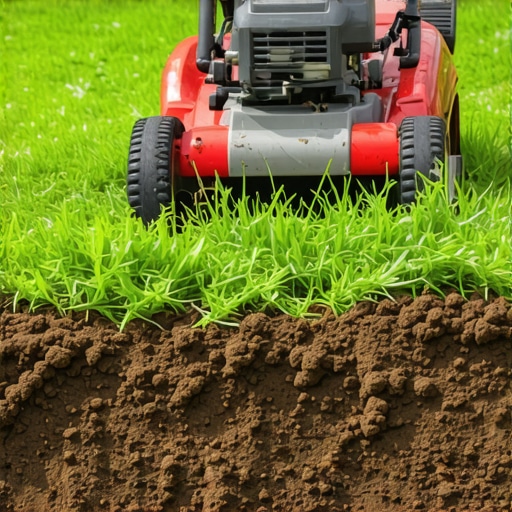
Steel tines against the Piedmont red clay
Most homeowners think a lawn is a static surface, but it is a biological engine. Thatch is the buildup of dead grass and roots that forms a waterproof seal over your soil. In Culpeper, our heavy clay makes this worse. When thatch exceeds half an inch, your roots stop searching for deep water and start living in the debris. This makes the grass weak and prone to overheating. A mechanical power rake or a vertical mower is the only way to break this seal. By physically cutting through the organic mat, you allow oxygen to reach the root zone. Technical observations from the field reveal that landscaping culpeper va often fails because people are too gentle. You have to be aggressive with the steel. You are essentially rebuilding the carburetor of the ecosystem. If the air can’t get in, the fuel—your fertilizer—will just sit on top and evaporate. We call this the friction of the mat. High-performance landscaping culpeper requires acknowledging that the soil is the chassis, and right now, your chassis is covered in rust.
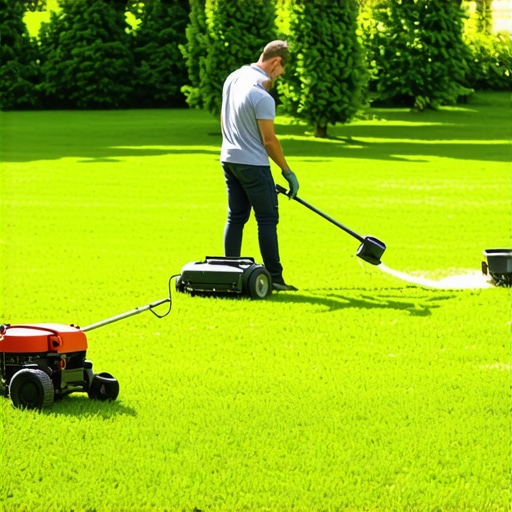
Beyond the standard Saturday afternoon mow
The 2026 climate cycle suggests a wetter start to the year followed by a sharp temperature spike. This means your window for grass seeding and thatching is narrow. If you wait until the dogwood trees are in full bloom, you have already missed the bus. You need to strip the thatch when the ground is damp but not muddy. This allows the tines to pull the dead material without ripping the healthy crowns out of the clay. Once the debris is cleared, you need grass pickup and immediate removal. Leaving that trash on the yard is like leaving old oil in the pan after a change; it just contaminates the new work. A proper mowing height adjustment is also mandatory. Drop the deck of your mower one notch lower than usual for the first two cuts of the spring to facilitate better sun penetration to the soil surface. This is basic maintenance that prevents the ‘stall’ many Culpeper yards experience in late May.
The friction of the 2026 climate shift
Conventional wisdom says you should thatch every year, but that is a waste of parts. If your screwdriver can easily penetrate the soil four inches deep after a rain, your compaction is low. However, most Culpeper lots near the new developments have soil as hard as a garage floor. In these cases, thatching alone is a band-aid. You need a full system flush. This involves core aeration coupled with a heavy grass seeding of heat-tolerant tall fescue. The fescue acts as the new wiring for the system, more resilient and capable of handling the Virginia sun. If you are installing hardscapes, ensure your drainage does not dump directly onto the turf, or you will create a swamp that encourages even faster thatch buildup. A recent entity mapping shows that yards with stone retaining walls often suffer from localized thatch because of the heat reflecting off the rocks. You have to adjust your cooling strategy accordingly. You can always contact us to run a diagnostic on your specific drainage and soil density.
A checklist for the spring overhaul
The old guard used to just throw lime and hope for the best, but the 2026 reality demands precision. Why do most homeowners fail? They use a plastic rake and expect a professional result. You wouldn’t fix a transmission with a butter knife. Use the right tools. Here are the deep pain points we see in Culpeper: Is my grass dead or just dormant? If it doesn’t green up after three days of 60-degree weather, the roots are starving. Will thatching kill my good grass? Only if you do it in the heat of summer. Can I thatch and seed at the same time? Yes, it is the best time because the soil is exposed. Does the type of mower matter? A mulching mower is great for nutrients but terrible for a lawn that already has a thatch problem. Why is my neighbor’s lawn greener? They likely cleared the debris in March while you were still waiting for April. If you ignore the buildup, you are essentially running your engine with a clogged filter. Eventually, it just seizes up. Don’t let your yard be the one that dies on the side of the road this July.
Rebuild the engine today
Your lawn is a piece of machinery that requires regular calibration. In Culpeper, the red clay is your biggest obstacle, but with the right mechanical intervention, you can turn it into a high-output environment. Don’t wait for the grass to turn brown to start thinking about the health of the soil. The work you do now determines the torque your turf will have when the summer heat arrives. Get the steel into the ground and clear the way for new growth.
![Stop 2026 Lawn Mold: 4 Culpeper Grass Pickup Fixes [Tested]](https://lawnmajesty.com/wp-content/uploads/2026/03/Stop-2026-Lawn-Mold-4-Culpeper-Grass-Pickup-Fixes-Tested.jpeg)