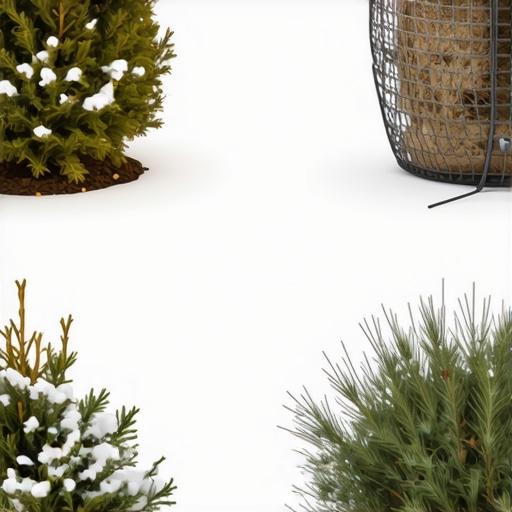
Stop 2026 Winter Kill: 3 Shrub Protection Hacks
The Forensic Autopsy of a 2025 Winter Disaster
I always drill into my new crew members: if you don’t fix the soil grading and hydration before the first hard freeze, every two-hundred-dollar Japanese Maple you put in the ground is just expensive compost waiting for a spring burial. Last April, I spent three weeks excavating dead specimens from a property in the suburbs where the homeowner had spent five figures on nursery stock but zero dollars on protection. We dug up six-foot Boxwoods that looked fine in February but were skeletal by May. The cause wasn’t just the cold; it was a total failure of the vascular system. When the ground freezes solid, the roots cannot pull up water to replace what the winter wind sucks out of the leaves. This is called desiccation. It is a slow, structural strangulation of the plant. If you want your landscape to survive 2026, you have to stop thinking like a gardener and start thinking like a civil engineer. You are managing thermal mass, hydrostatic pressure, and cellular integrity. A shrub is a living machine, and in winter, that machine needs a shell. Do not wait for the first frost. By then, the damage is already written into the biology of the root flare.
The Anatomy of Winter Kill: Why Shrubs Fail in the Hard Freeze
Winter kill is a physiological collapse caused by desiccation, frost heaving, and thermal fluctuations that rupture cell walls in woody ornamentals. Effective protection requires sub-surface hydration, organic insulation, and structural windbreaks to mitigate the 20mph desiccating gusts that strip moisture from the evergreen foliage during dormant months.
When we talk about hardscaping and landscaping, we are talking about the survival of the vascular cambium. This is the thin layer of living tissue between the bark and the wood. If this freezes and thaws too rapidly, the cell walls literally explode. It is like a pipe bursting in your basement. You cannot ‘heal’ a ruptured cell; you can only prevent it. Most ‘mow-and-blow’ hacks will tell you to just throw a sheet over the plant. That is garbage advice. A sheet touching the foliage will actually conduct the cold directly into the leaves through a process called conductive cooling. You need an air gap. You need a dead-air space that acts as an insulator, similar to how a double-pane window works in your house.
“Winter injury to evergreens is usually the result of water loss from the foliage during periods of sunny or windy weather when the soil is frozen and roots cannot replace the lost water.” – Cornell University Cooperative Extension
This isn’t just theory; it is the fundamental law of horticulture in temperate zones. If the soil moisture tension is too high because the ground is a block of ice, the plant dies of thirst in a snowstorm. This is the irony of winter kill. Your plants are surrounded by water in the form of snow, but they are dying of dehydration.
How do I keep my shrubs from dying in winter?
To prevent shrub death, you must maintain a 3-inch layer of hardwood mulch to regulate soil temperature and apply an anti-transpirant spray to evergreen leaves. Additionally, constructing a burlap windbreak will reduce the wind-chill factor that causes rapid moisture loss from the plant’s vascular system. Don’t skip the deep watering in late November. If the root ball is dry when the ground freezes, the plant has no reservoir to draw from during the January thaws. We see this often with garden design that prioritizes aesthetics over biology. A beautiful shrub in a poorly drained, dry corner will be the first to go when the temperature drops below fifteen degrees.
Hack 1: The 3-Inch Sub-Surface Thermal Blanket
Soil insulation via double-shredded hardwood mulch creates a thermal buffer that prevents the freeze-thaw cycle from heaving roots out of the ground. By maintaining a consistent root-zone temperature, you ensure that the microbial activity in the soil continues to support plant health until the deep dormancy phase begins.
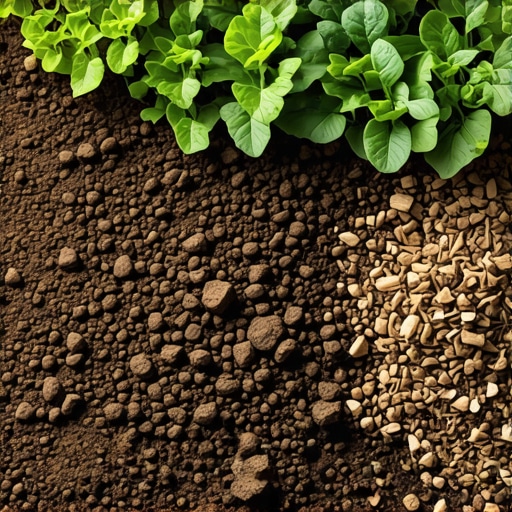
Most people use mulch for aesthetics. I use it as an engineering tool. When the temperature at the surface drops to zero, a properly mulched soil bed might still be at thirty-four degrees. That four-degree difference is the gap between life and death for a root system. But you have to do it right. I see these ‘mulch volcanoes’ everywhere—piling mulch six inches high against the trunk of the tree. Stop doing that. It will rot the bark and invite rodents to chew on the cambium for warmth. You need a 3-inch deep ring that starts two inches away from the root flare and extends out to the drip line. This creates a regulated environment for the feeder roots. [IMAGE_PLACEHOLDER] Consider the material carefully. Pine bark is too light; it blows away. Stone is too heavy and holds too much heat during the day, which can trick the plant into breaking dormancy early. Double-shredded hardwood is the gold standard because it knits together and stays put against 30mph gusts.
| Material | Insulation Value | Drainage Rating | Longevity |
|---|---|---|---|
| Hardwood Mulch | High | Excellent | 12-18 Months |
| Pine Straw | Medium | Superior | 6 Months |
| River Rock | Low | Poor (Heat Trap) | Indefinite |
| Wood Chips | Medium | Good | 12 Months |
We use this table to determine the best approach for different USDA hardiness zones. If you are in a zone 5 or 6, you cannot afford to use rock in your garden design if you have sensitive shrubs. The rock will act as a heat sink, warming up the soil during a sunny February day and then plummeting to sub-zero temperatures at night. This rapid fluctuation is what causes ‘frost cracking’ in the bark. It is physics, not just gardening. You need a material with a high specific heat capacity that changes temperature slowly.
Hack 2: Chemical Shielding with Anti-Transpirants
Anti-transpirant sprays, typically composed of pinene or acrylic polymers, provide a microscopic wax-like coating that reduces stomatal water loss. This chemical barrier is essential for broadleaf evergreens like Boxwoods and Holly, which continue to lose moisture through their leaves even when the root system is dormant.
Think of an anti-transpirant as a breathable raincoat for your plant. Products like Wilt-Pruf are not just for Christmas trees. They are a critical part of a high-end maintenance schedule. You have to apply them when the temperature is around forty to fifty degrees, usually in late November. If you spray them when it is too cold, the emulsion won’t set, and you will just have a sticky mess that doesn’t protect anything. You need to coat both the top and the bottom of the leaf. Why the bottom? Because that is where the stomata—the plant’s breathing pores—are located. If you leave those exposed, the dry winter air will suck the moisture right out of the cellular structure.
“The application of a film-forming anti-transpirant can reduce water loss by up to 40 percent in some species, provided the coating remains intact throughout the winter wind events.” – Journal of Environmental Horticulture
It is important to remember that these coatings wear off. For a harsh 2026 winter, you should plan for a second application during a January thaw if the temperature rises above forty degrees for a few days. Don’t be lazy. One application in November rarely lasts until the spring equinox.
When should I start winterizing my garden?
Winterization must begin in late autumn, specifically after the first light frost but before the ground freezes solid. This window allows you to perform deep-core aeration, apply late-season potassium-rich fertilizers for root strength, and install physical barriers like burlap before the soil becomes unworkable for stakes and anchors. If you wait until December, you have already missed the metabolic window where the plant can actually utilize the water you are providing. The goal is to enter the freeze with a fully hydrated root system and a protected canopy.
Hack 3: The Burlap Scaffold and Windbreak Engineering
Structural windbreaks constructed from industrial-grade burlap and 2×2 oak stakes provide a physical barrier against wind-chill and snow loading. By reducing the wind velocity across the foliage, you decrease the evapotranspiration rate and prevent the physical breakage of brittle winter branches.
This is where most DIYers fail. They wrap the plant like a mummy. If you wrap burlap directly against the foliage, the moisture can get trapped, freeze, and turn into a block of ice that kills the branch tips. You need to build a cage. Drive three or four oak stakes into the ground around the shrub. Leave a six-inch gap between the plant and the burlap. Staple the burlap to the stakes, creating a ‘U’ shape that blocks the prevailing northwest winds but leaves the top open for air circulation. This prevents the greenhouse effect on sunny days while providing a massive reduction in wind speed. We use this for every new installation of Hydrangeas or expensive Boxwood hedges. It is not about keeping the plant ‘warm’—it’s about stopping the wind from acting like a hair dryer on the leaves. Also, consider the weight of the snow. A heavy wet snow in March can snap a Boxwood in half. A properly designed burlap cage can help deflect some of that weight. It is basic structural support. Don’t use plastic. Plastic is a death sentence. It traps heat and will cook your plants on a sunny winter day.
The Professional Winter Survival Checklist
- Hydration: Apply 5-10 gallons of water per shrub in late November if rainfall is under 1 inch per week.
- Mulching: Spread 3 inches of double-shredded hardwood mulch, maintaining a 2-inch gap from the trunk.
- Anti-Transpirants: Spray broadleaf evergreens when temperatures are between 40-50°F.
- Structural Guarding: Install burlap windbreaks for plants on the north or west side of the property.
- Inspection: Check for rodent damage or mulch displacement every 30 days throughout the winter.
Final field notes: Landscaping is a long game. You aren’t just planting for this year; you are engineering a system that will last decades. The ‘hacks’ I’ve listed here aren’t shortcuts—they are the standard operating procedures of a high-end firm. If you treat your yard like a construction project and respect the biology of the plants, you won’t be calling me in May to replace a thousand dollars worth of dead shrubs. Do the work now. The ground is getting harder every day. Don’t skip the burlap. Don’t skimp on the mulch. It will rot if you don’t do it right, but it will die if you don’t do it at all.