Why You Should Never Plant Mint Directly in Your Garden Beds
The Horticultural Autopsy: Why Your Garden Bed is Now a Mint Colony
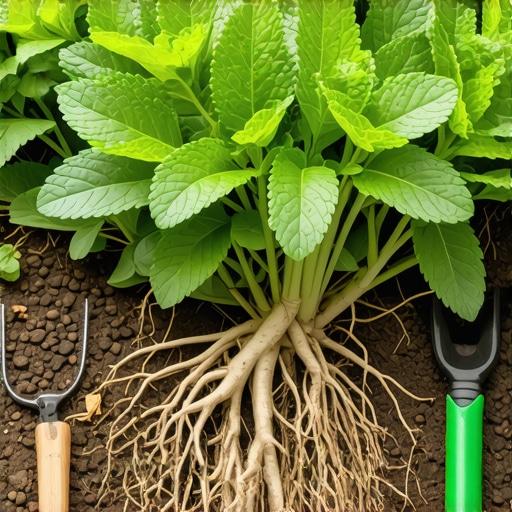
I always drill into my new crew members: if you don’t fix the soil grading first, every plant you put in the ground is just expensive compost. But even with perfect grading, some plants act as biological weapons. Mint, or Mentha, is an invasive perennial that utilizes subterranean rhizomes and above-ground stolons to aggressively colonize garden beds, outcompeting native species and disrupting the soil microbiology of your carefully planned landscape design. It is a garden-scale takeover that requires surgical extraction once established.
I remember a job in late July. A homeowner in a high-end zip code called me because his ‘herb garden’ was crawling across his $40,000 bluestone patio. He’d planted a single 4-inch pot of spearmint three years prior. By the time I arrived, the mint had exploited the 1/8th inch gaps in his polymeric sand and was literally lifting the stone. This isn’t just about ‘spreading.’ This is about a plant with a biological imperative to expand. If you treat mint like a standard perennial, you have already lost the war. It doesn’t respect borders. It doesn’t care about your mulch. It thrives on neglect and punishes your optimism. Stop thinking of it as a culinary herb and start thinking of it as a structural threat to your hardscaping and landscaping integrity.
“Mint species are notoriously aggressive because they spread via horizontal underground stems called rhizomes. These structures allow the plant to bypass surface-level barriers and emerge several feet away from the parent plant.” – Penn State Extension
The Mechanics of Mint Invasiveness
The primary reason to avoid planting mint in garden beds is its reliance on rhizomatous growth, which allows the plant to send underground shoots that remain dormant until they find a 1/4 inch gap in soil density to emerge. This creates a monoculture that suffocates the root systems of ornamental shrubs and perennials by hogging nitrogen and soil moisture. When you plant mint, you aren’t just adding a plant; you are installing a subterranean network that functions more like a fungus than a flower. It will find the moisture under your foundation. It will find the drip line of your prize hydrangeas. It will choke them out.
How fast does mint spread in a garden?
In ideal conditions with loamy soil and consistent irrigation, a single mint plant can expand its root radius by 2 to 4 feet in a single growing season. This lateral expansion is driven by high photosynthetic efficiency and a lack of natural pests. It is relentless. It will grow through weed fabric. It will grow over plastic edging. Unless you have a literal physical barrier like a 30-mil pond liner buried 18 inches deep, the mint owns the bed. Don’t be fooled by its pleasant scent; it is a predator in the plant world.
| Mint Variety | Spread Rate (Low/High) | Primary Mechanism | Hardiness Zone |
|---|---|---|---|
| Spearmint | Extreme | Rhizomes & Stolons | 3-11 |
| Peppermint | High | Subterranean Shoots | 3-9 |
| Chocolate Mint | Moderate-High | Surface Runners | 4-9 |
| Apple Mint | Extreme | Aggressive Rhizomes | 5-9 |
Can mint roots damage a house foundation?
While mint roots are not as structurally destructive as invasive tree roots or bamboo, they can infiltrate foundation cracks and weep holes in masonry, leading to moisture retention and potential hydrostatic pressure issues. The real danger is to your hardscape. Mint roots can penetrate the modified gravel base of a patio, shifting the screed layer and causing pavers to heave. When the roots die back in winter, they leave voids in the soil that lead to settling. It is a nightmare for civil engineering at a residential scale.
Remediation: How to Kill the Invader
If you have already made the mistake of planting mint, standard weeding is useless. In fact, if you pull mint and leave even a 1/2 inch segment of rhizome in the dirt, you’ve just performed vegetative propagation. You didn’t kill it; you multiplied it. You have to be tactical. You need to excavate. I’m talking about a full 12-inch deep dig-out of the affected area. You have to sift the soil or, more realistically, replace it entirely with triple-shredded hardwood mulch and fresh topsoil after the area has been cleared. It’s a high-labor, high-cost fix for a $5 plant mistake.
- Identify the perimeter of the mint colony by looking for the furthest stolon.
- Excavate a 2-foot buffer zone beyond the visible growth to capture dormant rhizomes.
- Discard the soil in a landfill; do not compost it, as mint can survive most backyard compost pile temperatures.
- Install a deep-root barrier if you insist on keeping mint in the ground, though pot-in-pot methods are safer.
- Monitor the site for 12 months for any emergent sprouts.
“The most effective way to manage Mentha species in a managed landscape is total containment or systemic herbicide application during the active growth phase to ensure translocation to the root system.” – Texas A&M Agrilife Research
The Proper Way to Grow Mint
You want mint for your mojitos? Use a container. This is non-negotiable. Use a heavy ceramic or glazed pot and keep it on a hard surface like a paver patio or a deck. Do not set the pot on bare soil. The mint will grow out of the drainage hole and root itself into the ground before you even realize it’s happened. This is biological reality. If you want to integrate it into your garden design, use the ‘pot-in-pot’ method where the mint stays in a plastic container which is then placed inside a larger, decorative one. This creates an air gap that prevents the roots from escaping. It’s about containment, not cultivation. Don’t skip the saucer under the pot. It matters.
Landscaping is about controlling the environment. When you plant mint in the ground, you surrender control. You are basically inviting a squatter into your garden beds who has no intention of ever leaving. It will rot your design aesthetic and your property value if it gets into the turf grass. Once mint is in the lawn, it requires heavy broadleaf herbicide applications that can damage your soil health and microbiome. Save yourself the remediation costs. Keep the mint in a pot, or don’t keep it at all.