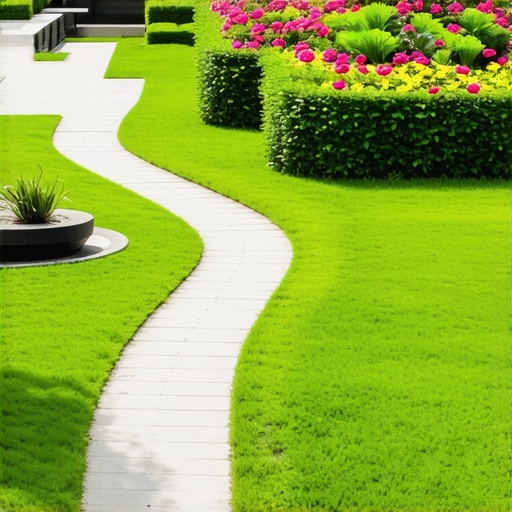
Have you ever stood in your garden, feeling a pang of frustration because it just doesn’t look as vibrant or modern as you’d like? Maybe you’ve tried planting new flowers or trimming bushes, only to realize that something’s missing—your outdoor space lacks that fresh, contemporary vibe you see everywhere else. I recall a time when my own backyard felt more tired than inspiring, and I knew I needed a change. That lightbulb moment made me realize: a few strategic updates could turn my garden into a stunning outdoor haven.
Why Refreshing Your Garden Now Matters More Than Ever
In today’s fast-paced world, our outdoor spaces should serve as a peaceful retreat—yet many of us let them fall into neglect. With the landscaping trends heading toward sleek, modern designs in 2025, updating your garden isn’t just about aesthetics; it’s about creating a space that boosts your mood, improves your home’s value, and truly reflects your style. Surprisingly, a well-designed garden can even influence your mental health—reducing stress and increasing overall happiness, according to recent studies from the Healthline.
I made a mistake early on, thinking that just planting a few trendy flowers would do the trick. Instead, I learned that hardscaping and thoughtful landscaping design are essential for a cohesive look. For example, incorporating modern hardscaping ideas can elevate your outdoor space to new heights. If you’re unsure where to start, I recommend exploring effective hardscaping strategies, which you can find detailed here.
Fortunately, there are straightforward tips and innovative ideas that make this process manageable—and profoundly rewarding. Ready to discover how you can refresh your garden in 2025? Let’s dive into practical steps that will help you craft a stunning, modern outdoor oasis that you’ll love spending time in.
Is Landscaping Really Worth the Hype?
When I first considered updating my garden, I wondered if all the fuss about trendy designs and hardscaping was just hype. Early mistakes, like overcomplicating the layout, made me doubt whether the investment was worth it. But I soon realized that strategic, well-planned landscaping brings lasting benefits—enhancing curb appeal, increasing property value, and creating a personal sanctuary. Trust me: a little effort goes a long way, especially when guided by expert tips and inspirational ideas from trusted sources.
So, if you’re skeptical, ask yourself—have you faced struggles with your garden that seem insurmountable? If so, you’re not alone. The good news is that with some smart, timely updates, your outdoor space can become the envy of your neighborhood. Are you ready to transform your garden into a stunning masterpiece for 2025? Let’s explore how to make that happen with proven tips and strategies.
Start with a Clear Plan
Before digging, sketch your garden layout focusing on focal points. Consider dividing the space into zones for seating, planting, and pathways. Use string lines and stakes to visualize dimensions, ensuring your design flows naturally. I once drew a rough outline on a piece of cardboard, which helped me see how a modern gravel patio would complement a lush planting bed. This upfront planning avoids costly mistakes later.
Choose Modern Hardscaping Elements
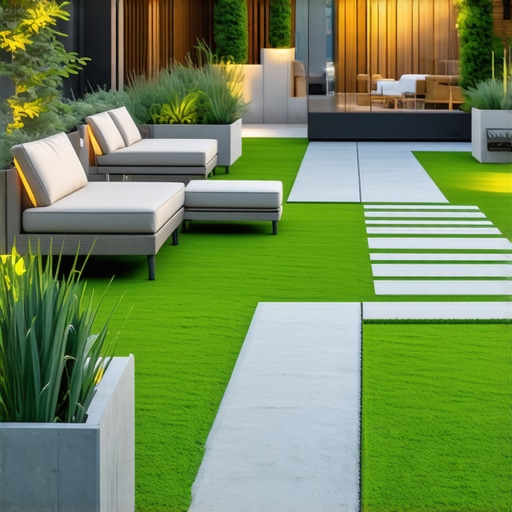
Select durable, sleek materials like concrete pavers, stamped concrete, or composite decking. Focus on simplicity to achieve a contemporary look. When I replaced my old brick pathway with large, smooth concrete slabs, the change was dramatic, creating a clean contrast with vibrant plantings. For detailed ideas, explore hardscaping ideas for 2025.
Implement the Hardscaping with Precision
Lay the foundation carefully—compact soil and set a level base. Use a rubber mallet to position pavers snugly, avoiding uneven surfaces. I learned this by trial and error when my first paver installation was wavy; once I used a level and compacted each row, the result was perfectly flat. Proper joint filling with sand or gravel ensures stability. Refer to effective hardscaping steps for more guidance.
Frame with Sophisticated Plantings
Add visual interest with native grasses, sculptural shrubs, and perennial flowers that thrive in your climate. Mix textures and heights for depth. I once planted ornamental grasses along a new stone border, which swayed beautifully in the breeze, adding movement and softness. Keep the planting bed edges tidy and consider mulching to preserve moisture and suppress weeds. Learn more at landscaping design tips.
Incorporate Lighting Strategically
Use low-voltage LED fixtures to highlight pathways and focal points, enhancing safety and ambiance. Position lights to accentuate texture and color shifts in your plants. My first attempt involved placing fixtures haphazardly, which resulted in uneven lighting. After reading expert advice, I adjusted the angle and height, achieving a warm, inviting glow. Proper lighting makes your garden magical after sunset—so plan carefully using ideas from modern lighting concepts.
Finishing Touches for a Cohesive Look
Add contemporary garden furniture with clean lines and weather-resistant materials. Incorporate decorative elements like minimalist sculptures or water features sparingly to avoid clutter. I once added a sleek metal fire pit; it became a daily gathering spot. Regular maintenance and thoughtful updates keep your garden fresh and stylish. Review tips for maintaining your modern garden at modern garden upkeep.
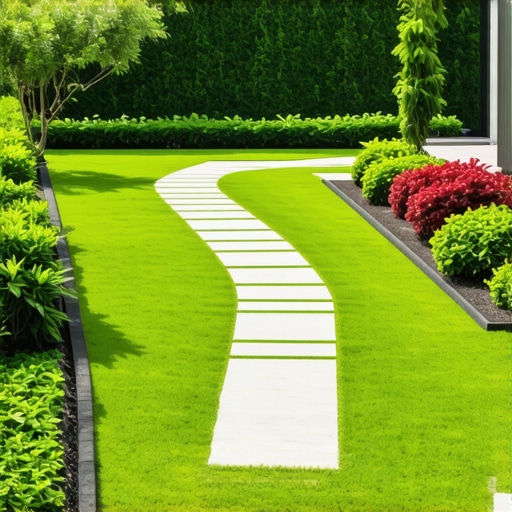
Many homeowners fall for misconceptions about lawn maintenance and landscape design, which can hinder achieving a truly stunning outdoor space. One widespread myth is that more fertilizer automatically leads to lusher grass. In reality, over-fertilizing can cause excessive growth that’s weak and prone to disease, ultimately damaging your lawn’s health. The key is understanding the nuanced balance—using the right type and amount of fertilizer at optimal times. For advanced lawn care, it’s vital to consult regional soil and climate data, as recommended by turf specialists, to prevent unnecessary setbacks. Another frequent mistake involves neglecting soil health; many skip soil testing altogether, assuming their dirt is adequate. However, proper soil amendments based on test results can dramatically improve plant vitality and reduce the need for chemical interventions. Proper soil management is a cornerstone of sustainable landscaping. When it comes to hardscaping, a common trap is installing overly complex features without considering maintenance or flow. For example, intricate patterns in patios may look impressive initially but can become issues if they trap debris or become uneven over time. A more strategic approach involves selecting durable, low-maintenance materials like stamped concrete or large pavers which remain crisp and functional years later. This is especially critical when integrating features like pathways or seating areas that should stand the test of time with minimal upkeep. Garden design mistakes often stem from choosing plants based solely on appearance rather than understanding their growth habits or environmental needs. Decorative perennials might look stunning but can outgrow their spaces quickly if not properly managed, leading to overcrowded beds and increased pruning efforts. Native plants tend to be a smarter choice—they adapt better, require less water, and support local ecosystems. Incorporating smart irrigation systems can further streamline water use, but many overlook this step, resulting in wasted resources and stressed plants. If you’re aiming for a harmonious garden, matching plant choices to the site conditions is essential. Now, addressing a more complicated aspect: Why do amateur landscapers often overlook circulation paths? Well-designed pathways should promote easy navigation without creating bottlenecks or disrupting focal points. A common mistake is placing walkways that cut through flower beds or block views, which diminishes the overall harmony. By planning movement routes with purpose, you enhance both beauty and functionality—see expert tips on landscaping design. As you refine your outdoor project, remember that investing in detailed planning and understanding the nuances of plant and material selections can prevent costly mistakes down the line. For a comprehensive insight into modern landscape practices, check out our article on best landscaping ideas for 2025. Have you ever fallen into this trap? Let me know in the comments.
Maintaining a beautiful, modern outdoor space requires both the right tools and an understanding of effective practices that stand the test of time. Over the years, I’ve refined my approach, relying on specific equipment and methods that ensure my lawn and hardscaping investments continue to thrive. One game-changer has been the use of electric soil testers like the VeriSmart Soil Sensor. Unlike traditional chemical kits, this device provides instant digital readings of pH and moisture levels, allowing me to adjust watering and fertilizing schedules precisely, which is crucial for sustained health. For larger properties, I swear by robotic lawn mowers like the Husqvarna Automower 450X. Its ability to consistently mow and charge automatically means I never have to worry about uneven patches or overgrowth, freeing up my time for landscaping enhancements instead of routine maintenance.
When it comes to long-term results, investing in landscape lighting systems such as Low-Voltage LEDs with smart controllers has been invaluable. These systems not only highlight my garden’s features but also allow me to schedule lighting automations, extending the beauty of my outdoor space into the evening hours effortlessly. Pairing these with water-efficient irrigation systems like Rachio Smart Sprinkler Controllers further reduces wastage while maintaining vibrant plant life. These tools, combined with regular soil testing, help create an ecosystem where plants and hardscaping elements complement each other seamlessly, reducing the need for drastic rejuvenation later.
Looking ahead, I predict that the integration of IoT devices focusing on predictive maintenance will become even more mainstream. Imagine sensors that alert you when your lawn needs watering or when a hardscape feature requires cleaning or repairs—saving time and avoiding costly damage. Before that happens, I recommend trying out a comprehensive soil and moisture monitoring system; it’s a small investment that pays dividends in the health and appearance of your landscape for years to come.
How do I keep my outdoor projects working over time?
Consistent care is essential. Schedule regular equipment checks, such as cleaning and sharpening your mower blades or replacing worn-out irrigation filters. Use software programs like landscaping design tips and automated timers to streamline watering and lighting routines. Don’t overlook the importance of seasonal inspections—refresh mulch layers, prune overgrown plants, and check your hardscape joints for erosion. I advise setting up a maintenance calendar aligned with regional weather patterns, which helps preempt problems before they escalate. Also, stay updated with trends in hardscaping innovations. For example, recent advancements in permeable paving materials not only reduce runoff but also lessen future repair needs. Embracing these innovations now will keep your landscape looking stunning for years to come.
Finally, always keep an eye on the details. Small DIY fixes like re-sealing pavers or adjusting irrigation zones can prolong the lifespan of your hardscape features and lush lawns. Make it a routine to periodically assess and upgrade your tools—an investment in quality equipment reduces long-term costs and effort. Remember, a well-maintained garden isn’t just about aesthetics; it’s about creating a resilient, sustainable outdoor sanctuary. For more ideas on maintaining your outdoor space efficiently, check out hardscaping tips for 2025 and consider trying one new smart irrigation adjustment this season. Your future self will thank you.
What My Worst Landscaping Mistakes Taught Me About Lasting Beauty
One of the biggest lessons I learned was that rushing into hardscaping without proper planning can lead to costly setbacks. I once installed a complex patio pattern that looked stunning initially but showed signs of uneven settling after a few months. This taught me the importance of consulting experts and choosing durable materials suited to my climate—details that can make or break your garden’s longevity. Additionally, I realized that overplanting based solely on appearance rather than environmental compatibility results in more work and less beauty over time. Native plants, as I now know, are game-changers for sustainable, low-maintenance landscapes that thrive with minimal intervention.
The Tools and Tips That Changed My Approach to Garden Success
Investing in smart tools like the VeriSmart Soil Sensor transformed my understanding of soil health, guiding me to optimize watering and fertilizing schedules. That, combined with my robotic lawn mower, made ongoing maintenance effortless and effective, showing me that technology can elevate your gardening game significantly. I also discovered the value of consistent seasonal checks—reapplying mulch, pruning wisely, and inspecting hardscapes—to prevent issues before they escalate. These practices, along with referring to trusted resources such as hardscaping ideas for 2025, keep my garden looking fresh, modern, and resilient.
Why It’s Never Too Late to Reinvent Your Outdoor Sanctuary
Creating a stunning garden isn’t about perfection from the start; it’s about continuous learning and adaptation. Every season presents an opportunity to refine, upgrade, and enjoy your space. Embrace the challenges and celebrate small wins—like upgrading lighting or replacing worn path stones—as steps toward your ultimate outdoor haven. Remember, the future of your landscape lies in your hands, and with thoughtful effort, it can become a source of ongoing joy and pride. Are you ready to take the next step in transforming your outdoor space? Share your questions and experiences below, and let’s grow together.
![5 Groundcovers That Kill Weeds in 2026 [No Mowing]](https://lawnmajesty.com/wp-content/uploads/2026/04/5-Groundcovers-That-Kill-Weeds-in-2026-No-Mowing.jpeg)
Reading through this post really resonated with my own experience transforming my backyard. I initially thought that planting trendy flowers alone would suffice, but I soon realized that a complete redesign incorporating elements like smart lighting and proper hardscaping was what truly made the space come alive. The tips on sketching the layout beforehand were especially helpful; I remember using stakes and string to map out my zones, and it saved me a lot of trouble in the long run. I believe that integrating native plants and ensuring pathways are well-planned are key to a balanced and functional garden. Has anyone here found that starting with a detailed plan and smart tools like soil sensors has significantly improved their garden maintenance? Would love to hear more personal success stories or additional tips for keeping a modern garden looking fresh over time.
This post really hits on some key points about modernizing a garden. I’ve found that even small changes, like updating lighting and selecting sleek, low-maintenance hardscaping materials, can make a huge difference. I agree that proper planning is essential—before I redid my patio, I sketched out my ideas and used stakes and string to visualize the flow, which saved me time and money later. One challenge I faced was choosing between different lighting options; I eventually went with LED low-voltage fixtures, which not only look great but are energy-efficient for long-term use.
Regarding native plants, I’ve noticed they really give my garden a natural, cohesive look and require less care once established. Has anyone experimented with automated irrigation systems to optimize water use? I’ve been considering integrating a smart controller to make maintenance easier and save resources. Would love to hear how others have balanced aesthetics with sustainability in their landscape projects.