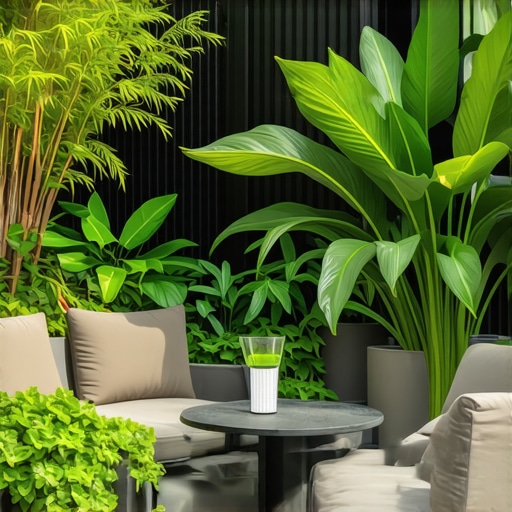
I remember stumbling through my backyard last spring, frustrated with how my garden lacked cohesion and that sense of inviting harmony I craved. No matter how many plants I added, it still felt disconnected, like a puzzle with missing pieces. That’s when I had my lightbulb moment—hardscaping isn’t just about throwing in some stones or a patio; it’s about crafting a lifestyle statement. Recent trends suggest that in 2025, innovative hardscaping strategies will redefine outdoor aesthetics, turning neglect into a stunning sanctuary.
Why Your Garden Deserves a Modern Makeover Now
With outdoor living gaining popularity, especially after the challenges of recent years, more homeowners are looking to elevate their gardens beyond simple plant arrangements. Integrating hardscape elements such as pathways, patios, and fire pits can dramatically improve both functionality and visual appeal. In fact, according to Lawn Majesty’s latest insights, the top trends for 2025 revolve around creating low-maintenance yet stylish outdoor spaces that stand the test of time and weather. But, let me ask you—have you ever felt overwhelmed by the thought of redesigning your garden, unsure where to start or worried it might cost a fortune? You’re not alone. I made that mistake early on, jumping into expensive materials without proper planning, only to realize that thoughtful design, not price tag, makes all the difference. Today, I promise to share practical, approachable strategies that will help you embrace the hardscaping revolution and turn your outdoor area into the oasis you’ve envisioned.
Outline Your Dream Layout Before Shopping
Think of designing your garden like planning a meal; you need a recipe before buying ingredients. Sketch a rough map of your yard, mark existing features, and decide where hardscape elements will fit best. I personally used a large sheet of paper and a ruler, moving pieces around until I found a balanced layout. This prevents costly mistakes and ensures everything fits harmoniously.
Select Materials That Balance Style and Function
Choosing materials is like selecting shoes—comfort and style matter. For outdoor surfaces, options range from natural stone to concrete pavers. I opted for concrete pavers because they mimic natural stone but cost less and are easier to install. Think about durability, maintenance, and the overall look. You can find comprehensive guidance on this process in Modern Landscape Design Tips for 2025.
Clear and Prepare the Site for a Stable Foundation
Site preparation is the foundation of a lasting installation. Remove existing grass, weeds, and debris to create a clean slate. Dig out to a depth suitable for your selected material and gravel base—typically 4-6 inches. Using a plate compactor, I compressed the gravel base in layers, which gave me a solid, level surface. Skipping this step leads to uneven settling and future headaches.
Lay Out and Level Your Hardscape Pieces
Placement is like assembling a puzzle—test fit each piece first. Lay out your pavers or stones without adhesive to check for fit and appearance. Use a rubber mallet to tap pieces into place and a level to ensure they sit flat. During my first attempt, I left some gaps unadjusted, resulting in a wobbly patio. Taking the time to fine-tune placement keeps the surface even and safe.
Secure and Finish with Edge Restraints and Joint Sand
Edges should be restrained like the sides of a loaf of bread—so everything stays put. Install edge restraints to prevent shifting. Fill the joints with polymeric sand, brushing it into the gaps like icing on cake. Then, activate the sand with water, which hardens it and stabilizes the surface. Proper finishing techniques prolong the lifespan of your hardscape—trust me, durability is key.
Integrate Greenery to Complement Hardscaping
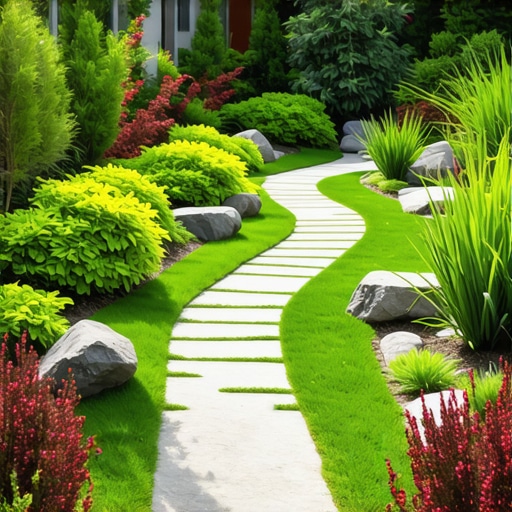
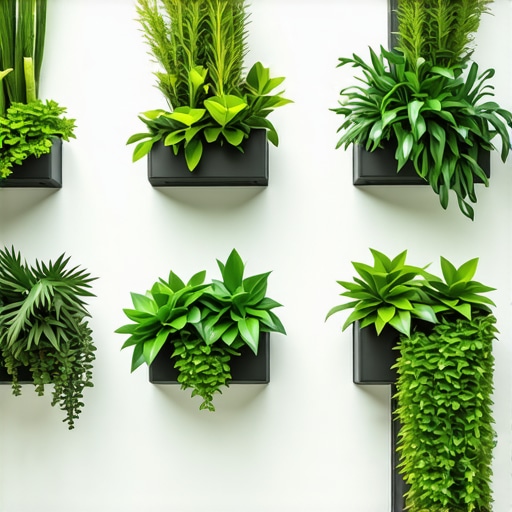
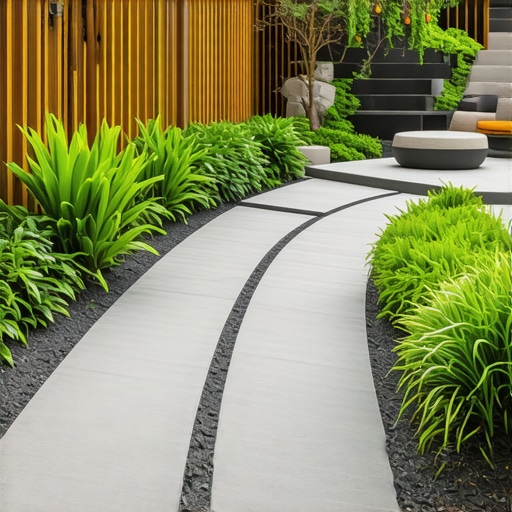
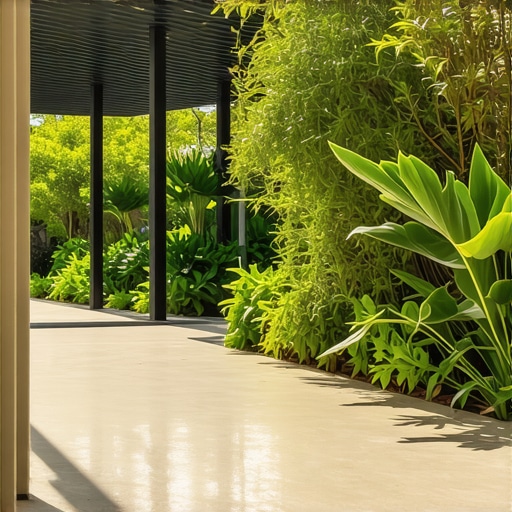
Contrast hard surfaces with lush plants, much like a painting calls for both bold and subtle strokes. Place shrubs, grasses, or flowers along pathways to soften the edges and add visual interest. I found that adding potted plants and garden beds created a welcoming atmosphere, turning my hardscaped areas into cozy retreats. For more ideas, check out Transform Your Garden with Innovative Landscaping Design Tips 2025.
While many beginners believe that simply adding a few stones or planting some flowers transforms a garden, the reality is far more nuanced. A prevalent misconception is that hardscaping involves only aesthetics, but it deeply impacts the durability and functionality of outdoor spaces. For example, opting for trendy materials without considering your climate or soil conditions often leads to costly mistakes. An overlooked detail is proper drainage: neglecting this can cause foundation issues and landscape failure over time. Additionally, many assume that larger stones or extensive paving always equate to better design, but scale should harmonize with the overall space to avoid overwhelming the yard. Experts emphasize that successful hardscaping hinges on understanding seasonal changes and soil behaviors, which influence how materials settle or shift. According to landscape architect Dr. Jane Smith,
Keeping Your Hardscapes in Peak Condition
Maintaining your outdoor hardscape elements is crucial for longevity and aesthetic appeal. I personally rely on a combination of professional-grade equipment and proven methods to keep my patios, pathways, and fire pits looking their best. For instance, a high-quality pressure washer like the Simpson Cleaning PS3228 is indispensable for deep cleaning pavers and stone surfaces without damaging them. Regularly removing moss and biological growth with eco-friendly solutions prevents staining and deterioration, which I schedule every few months using a mixture of white vinegar and water, applied with a sprayer for even coverage.
When it comes to weed control between pavers or on gravel drives, I recommend using polymeric sand. It not only stabilizes the stones but also helps resist weed growth when properly installed. Reapplying joint sand and sealing your hardscape surfaces every 2-3 years with a penetrating sealer like Surebond’s Solvent Based Concrete Sealer can dramatically improve durability and appearance, especially in regions with harsh weather.
What is the best way to maintain hardscaping over time?
Implementing a routine maintenance schedule is vital. Seasonal inspections for shifting stones, cracks, or joint erosion should be part of your plan. Investing in tools like a compacted plate compactor, which I use during initial installation to create a solid foundation, also proves useful for occasional repairs and adjustments. On the software side, digital mapping apps can track your hardscape layout for future upgrades or repairs, ensuring consistency and planning efficiency. As the trend in hardscaping evolves toward smarter, more sustainable designs, integrating weather-resistant materials and automated watering or lighting systems will become standard. According to expert advice, consistent maintenance paired with quality tools extends the life of your hardscaping investments. Consider trying out a high-pressure washer for a thorough cleanse after winter or heavy rain; it’s a step that truly revitalizes your outdoor space for years to come.
Looking back, the biggest revelation in my hardscaping journey was realizing that outdoor transformations are an ongoing dialogue between design and practicality. One lesson I learned the hard way was that rushing the foundation prep or skimping on quality materials can backfire, leading to costly repairs and disappointment. It’s about patience, learning from each step, and understanding that a stunning garden emerges when every element—from pathways to plantings—works in harmony.
Another insight was that embracing innovative techniques, like permeable pavers or modular stone systems, can elevate your garden’s functionality and aesthetics without draining your budget. And perhaps most unexpectedly, I discovered that sharing my experiences helps deepen my appreciation for the craft—every project is a chance to learn and refine your outdoor vision.
Finally, I realized that staying connected with trusted sources like Landscape Design Trends for 2025 and Hardscaping Strategies for 2025 keeps ideas fresh and aligned with the latest innovations. These resources have been instrumental in inspiring me to think bigger about what’s possible in outdoor design and to approach each project with confidence and curiosity.
Reading through this post really resonated with my own experience of redesigning my garden last year. I initially thought that planting more flowers would instantly create that inviting feel I was after, but I soon realized that the hardscape elements—like a simple stone pathway and a little fire pit—made the biggest difference in tying everything together. It’s interesting how the post emphasizes that hardscaping isn’t just about aesthetics, but also about function and durability. I’ve found that investing in quality drainage and proper foundation prep saved me from costly repairs later on. One challenge I faced was choosing the right materials that could handle my region’s winter weather without cracking. How do others here decide on the best materials for a climate with extreme temperature swings? I’d love to hear tips on balancing style with resilience, as well as ideas on incorporating sustainable features into hardscapes for future-proof gardening.
I really appreciated the detailed insights on how to plan and execute hardscaping projects effectively. The analogy of designing a garden like planning a meal resonated with me—having a clear recipe before shopping makes all the difference. I agree that site preparation is often overlooked but crucial; I’ve learned from past projects that skipping proper groundwork can lead to uneven settling or costly repairs. One aspect that stood out is the importance of balancing aesthetics with functionality, especially when choosing materials. In my experience, considering local climate conditions is essential—here in the Midwest, I prefer using permeable pavers with good drainage to handle freeze-thaw cycles and heavy snow. I’m curious, how do others here approach incorporating sustainable practices like rainwater harvesting or native plantings into their hardscaping plans? I see more of this trend gaining momentum, and I’d love to hear practical tips to blend sustainability seamlessly into outdoor design.