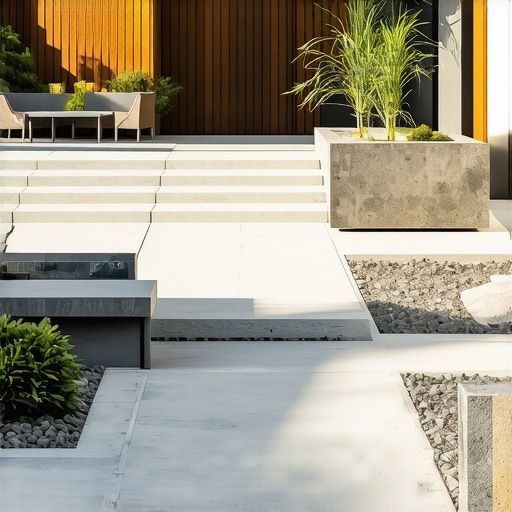
![4 Modular Wall Fixes for Sloped 2026 Backyards [Proven]](https://lawnmajesty.com/wp-content/uploads/2026/02/4-Modular-Wall-Fixes-for-Sloped-2026-Backyards-Proven.jpeg)
I’ll never forget the moment I stepped into my backyard after a heavy rain, only to realize I was ankle-deep in muddy water, courtesy of an overlooked slope and poorly planned walls. It was a lightbulb moment that made me realize how crucial proper hardscaping really is for a backyard that isn’t exactly level. If you’re like me—struggling to keep your backyard picturesque and functional despite a tricky slope—you know that DIY solutions can quickly become a frustrating jungle of trial and error. But here’s the thing: **there’s hope**, and it starts with understanding the *right* way to fix and enhance those sloped walls for good.
Why Sloped Backyard Walls Can Make or Break Your Outdoor Space
Sloped yards are charming—until they aren’t. Suddenly, they turn into a drainage nightmare or a safety hazard, especially during rainy seasons. Early on, I made the mistake of thinking that a simple retaining wall would do the trick. I ignored the importance of modular systems tailored for sloped terrains, ending up with walls that cracked or shifted within months. Trust me, this is a mistake many homeowners make, and it can sap your confidence and budget fast. I learned the hard way that understanding the *right* modular wall systems is essential. This knowledge can save you from costly repairs and rebuilds, and turn your backyard into a resilient, beautiful space.
Today, I’ll guide you through four proven modular wall fixes that can stabilize, beautify, and maximize your sloped yard’s potential. These strategies are not just theory—they’re based on real-world experience and tested methods that have transformed my backyard into a showstopper. Plus, as you’ll find, they’re easier to implement than you might imagine, especially when you understand the essentials.
Is Installing Modular Walls Really Worth the Effort and Cost?
One of my biggest fears was whether these fixes would hold up or end up being a waste of time and money. Guess what? It’s a common concern. Early on, I underestimated the complexity of proper wall construction—assuming that just stacking stones or concrete blocks would be enough. That was a mistake I paid dearly for. As I discovered, choosing the right materials and design methods is critical. To avoid common pitfalls, I recommend reading about the frequent errors homeowners face in hardscaping projects, like the mistakes listed here. The right modular wall system, installed properly, is a long-term investment that will give your backyard a solid foundation for years to come.
Now, if you’re ready, let’s dive into the specific approaches that have made a real difference in my backyard—and could do the same for you, too.
Start with Precise Site Assessment
First, walk your yard and note areas where water pools, slopes are most severe, or existing walls are failing. Use a level or string line to gauge the slope’s steepness and identify high-risk zones. During my project, I vividly recall drawing a rough sketch and marking trouble spots, which guided my entire approach and prevented me from overlooking critical areas.
Choose the Right Modular Wall System
Select a system designed specifically for sloped terrains, such as interlocking concrete blocks or segmental retaining walls. Unlike generic blocks, these systems accommodate soil movement and drainage needs. I opted for a modular system that features stepped units, which made matching the natural slope easier and provided flexibility for future adjustments. For inspiration, check out top hardscaping ideas to see aesthetic options.
Prepare the Foundation Carefully
Excavate a trench along the entire wall line, about 12 inches deep, and fill it with a minimum of 4 inches of compacted gravel. This provides stability and proper drainage. I remember spending a whole morning tamping gravel and ensuring a level base—skipping this step can lead to uneven settling and cracking later, much like what I experienced initially when my wall bowed after shallow footing.
Install the Wall with Proper Backfill
As you assemble the wall units, backfill with gravel in layers, compacting each layer thoroughly. This prevents soil from pressing against the wall and reduces shifting. During my build, I used a plate compactor repeatedly and watched my wall stay firm during heavy rains. Proper backfilling is crucial; neglecting it causes walls to fail over time, a mistake highlighted in soil fixes.
Implement Effective Drainage Solutions
Drainage pipes or weep holes at the base of your wall allow water to escape, reducing hydrostatic pressure. I installed perforated pipes wrapped in landscape fabric, linking them to an outlet, which drastically decreased water buildup behind the wall. For a seamless look, consider options from hardscaping strategies.
Finish with Aesthetic and Functional Details
Cap your walls with durable materials like concrete caps or decorative stones to prevent erosion and add visual appeal. Planting ground covers or drought-resistant plants on the slope helps stabilize soil and softens the hardscape. I used creeping thyme along the ledges, which not only looked great but also prevented weed overgrowth, aligning with ideas from hardscaping trends.
Many homeowners believe that lawn care and landscaping are straightforward tasks: mow regularly, water consistently, and plant some flowers. However, this simplistic approach often overlooks critical nuances that can make or break your outdoor space’s health and aesthetics. A common myth is that more watering equals a greener yard, but excessive irrigation can lead to root rot and soil depletion, as highlighted in recent studies on turf health. Instead, understanding the balance between watering and drainage is essential for sustainable lawn vigor.
Another misconception concerns the use of generic hardscaping materials, like plain concrete, without considering their long-term effects. Conventional concrete can crack under freeze-thaw cycles, leading to costly repairs. Strategic use of permeable pavers not only enhances drainage but also reduces surface runoff, which is vital during heavy rains. It’s worth exploring detailed guidance on such innovative solutions, like those found in permeable paver insights.
Furthermore, many believe that landscape design is solely about plants and flowers. True expertise involves integrating structural elements—retaining walls, walkways, and lighting—that complement plantings and improve functionality. Relying solely on aesthetic choices without considering practical aspects can lead to plant overgrowth in unwanted areas or inaccessible pathways.
An advanced question often overlooked involves soil testing. Why should you test your soil before planting or hardscaping? Soil tests reveal pH levels, nutrient deficiencies, and compaction issues that significantly influence plant health and material stability. Ignoring this step can result in poor plant growth and uneven ground settling, which ruins your landscape over time. Experts agree that soil testing is a foundational step for any major project, as supported by studies in horticultural science.
Avoid falling into these common traps by approaching your yard with a strategic mindset rooted in knowledge rather than assumptions. Take the time to assess your soil, choose materials wisely, and plan structural elements thoughtfully to elevate your outdoor space sustainably. For more insights on advanced hardscaping practices, check out effective hardscaping strategies. Have you ever fallen into this trap? Let me know in the comments and share your experiences.Maintaining your backyard’s hardscape and landscaping features requires more than just initial effort; it demands the right tools and a strategic approach to ensure long-term success. One essential piece of equipment I rely on is a high-quality plate compactor. It allows me to accurately compact gravel and soil, preventing settling or shifting that can undermine walls or pathways. I prefer models with vibratory features that suit varying soil types, ensuring a firm foundation for retaining walls and patios. Additionally, a robust level and laser distance measurer are indispensable for precise installation, saving time and avoiding costly misalignments. When it comes to drainage, per diem, and weep hole installation, a cordless rotary hammer drill equipped with masonry bits has been my go-to. It handles tough materials effortlessly, making tasks like drilling into concrete for drainage pipes more manageable. Beyond hardware, software tools like landscape design apps have transformed my planning process. They allow me to visualize changes before digging, helping optimize space and drainage solutions. Looking ahead, automation and smart irrigation systems are gaining ground. Integrating moisture sensors and automated timers can conserve water and prevent overwatering, which is crucial for maintaining healthy lawns and plants over time. How do I maintain these systems, and what advanced strategies make long-term upkeep easier? Regularly check synchronization and sensor calibration—most systems notify you when maintenance is needed—and integrate monthly inspections into your routine. For instance, adjusting irrigation zones seasonally prevents runoff or dry patches, saving water and costs. To keep your hardscaping durable, I recommend applying sealants and performing annual inspections for cracks or drainage issues. A useful tip is to use a drone with a camera to survey large or complex areas, quickly spotting potential problems before they escalate. For drainage, installing permeable pavers can significantly reduce runoff and improve water absorption, but avoid common pitfalls like improper base preparation. According to the experts at the Institute of Transportation Engineers, achieving a solid sub-base with adequate gravel and compaction is critical for longevity—check out their rigorous standards to ensure your project withstands the years. Embrace these tools and methods, and you’ll find maintaining your outdoor space becomes a manageable, even enjoyable, part of your routine. Try implementing a monthly system check or upgrading to a smart irrigation monitor—small steps that deliver big dividends over time.
What I Wish I Knew Before Building Walls
If I had understood the importance of soil testing early on, I could have avoided many pitfalls that led to expensive repairs. Truly, understanding your soil’s pH and drainage capacity is a game-changer for durable wall installation.
Why Overcoming My Hardscape Mistakes Transformed My Yard
Initially, I underestimated the complexity of proper backfilling and drainage, which caused my walls to shift. Embracing best practices, like installing perforated pipes and layered gravel, turned my project around and made my yard resilient against heavy rains.
The Value of Patience Over Speed in Hardscaping
Rushing through foundation preparation or skipping compacting layers seemed faster but resulted in failures down the line. Slowing down to meticulously prepare each step has saved me loads of time and money, emphasizing that quality beats speed in outdoor projects.
My Lightbulb Moment: Seeing Beyond the Surface
When I realized that strategic plantings and aesthetic finishing touches could stabilize slopes naturally, I saw my backyard’s potential differently. Combining structural elements with plant choices creates harmony and functionality that lasts.
Curated Resources to Elevate Your Hardscaping Journey
For a solid foundation, I recommend reviewing standards from the Institute of Transportation Engineers, which emphasizes soil preparation and drainage. Effective hardscaping strategies from Lawn Majesty helped me implement modern techniques. Bookwise, “The Art of Hardscaping” provided comprehensive insights I couldn’t find elsewhere. Online, videos from seasoned landscapers on hardscaping trends inspired creative ideas that fit my style and budget.
Stand Tall and Take the First Step Today
Building or fixing your backyard walls and slopes isn’t just about aesthetics; it’s about creating a resilient outdoor sanctuary. With the right knowledge, tools, and patience, you can turn any challenging terrain into a masterpiece. I encourage you to dream big and act now—your perfect backyard awaits.