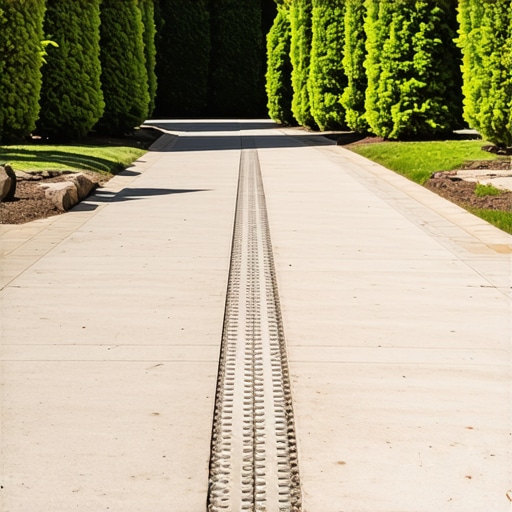
I vividly remember a rainy spring afternoon when my driveway turned into a miniature lake, and my backyard resembled a swamp. Each storm seemed worse than the last, and I started questioning my entire landscape design. Ever experienced that sinking feeling—literally—when water starts pooling where it shouldn’t? That was my wake-up call, and I knew I had to find a better solution than traditional drainage methods.
How I Discovered a Game-Changer for My Yard
After hours of research and a few costly trial-and-error attempts, I stumbled upon the concept of permeable pavers. These innovative features allow water to seep through the surface, minimizing runoff and preventing those dreaded puddles. Not only did they solve my drainage woes, but they also added a modern touch to my outdoor space. Today, I’ll share what makes permeable pavers stand out and why they might be the best drainage fix for your yard in 2026.
Is Permeable Pavers Actually Worth the Hype?
I admit, I was skeptical at first. I wondered if they could really handle heavy rain or if they’d be just another trendy gimmick. One mistake I made early on was underestimating the importance of proper installation—skipping that step can lead to failure. But as I learned, when installed correctly, permeable pavers outperform traditional options by efficiently managing stormwater. According to the Environmental Protection Agency, using permeable surfaces can reduce runoff volumes by up to 80%, which is a game-changer in flood-prone areas.
If you’ve faced persistent pooling or flooded walkways, you might be contemplating a drainage overhaul. Well, you’re not alone, and there’s a practical solution waiting to transform your yard. Let’s dive into how permeable pavers work and why they’re gaining popularity as the top drainage fix for 2026.
Preparing Your Yard for Permeable Pavers
Start by assessing the area with pooling issues. Use a hose or sprinkler to simulate heavy rain and identify where water tends to collect. Clear the selected zone of debris, plants, or existing paving. This step is like preparing a canvas before painting—precision ensures a smoother application later.
Excavate and Level the Surface
Dig out the area to a depth of about 6 to 8 inches, accounting for the thickness of the pavers and base layers. Use a level or a long straightedge to check for uniformity. Think of this as carving a perfect tray for your new paving—any unevenness can lead to drainage problems down the line. If you’ve got spongy grass or uneven soil, check out aeration tactics to solidify your groundwork before proceeding.
Building the Foundation for Success
Spread a base layer of crushed stone or gravel, about 4-6 inches deep, and compact it thoroughly with a tamper or plate compactor. This acts like the foundation of a building—stability here prevents future shifting or sinking. Ensure it’s level and well-compacted for optimal drainage and longevity.
Edge Restraints: Keep Everything in Place
Install edge restraints along the perimeter to contain the pavers. Use plastic or metal edgings to lock the pavers in place. Think of this step as installing the sides of a box—you want the contents to stay put, with no creeping or spreading over time. Proper edging also helps prevent soil erosion and maintains the slope for water runoff.
Placing the Permeable Pavers
Lay the permeable pavers in your desired pattern—herringbone, grid, or a custom design. Use a rubber mallet to gently tap each paver into place, ensuring they are snug but not overly tight. This process is akin to assembling a giant puzzle—each piece must fit perfectly to ensure the entire surface functions properly.
Filling Gaps with Bedding Sand
Sweep fine bedding sand or joint filler into the gaps between pavers, then use a compactor to set everything firmly. This step helps lock the pavers together, enhances stability, and maintains permeability. Be careful not to overfill—leaving some open space ensures water can flow through efficiently.
Final Touches for Long-Term Performance
Inspect the surface for any uneven areas and make adjustments as needed. Spread a thin layer of topsoil and plant low-maintenance ground covers, like creeping thyme or sedum, around the edges to enhance aesthetics—and even improve permeability further. This grassroots approach creates a lush, functional landscape that works with nature.
By following these precise steps, you’ll create a durable, efficient drainage system that minimizes puddles and enhances your yard’s overall vitality. For additional landscaping tips, consider exploring hardscaping ideas to complement your permeable pathways or garden design inspiration to elevate your outdoor space.
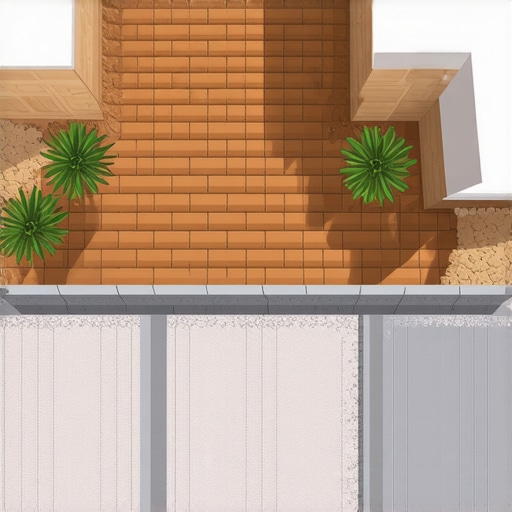 Many enthusiasts believe that a lush, well-manicured lawn and visually striking hardscaping automatically guarantee a stunning garden. However, as an expert in landscape integration, I can tell you that most people overlook key nuances, leading to costly mistakes and subpar results. One misconception is that more ornamentation equals better design—brushing aside the importance of balance and functionality. Overly complex layouts often create clutter, making maintenance a nightmare and disrupting natural water flow, which can exacerbate drainage issues. Instead, focus on harmonious layouts that prioritize native plants and sustainable materials, aligning with modern trends like low-water gardens showcased in drought-resistant landscapes. Additionally, many assume that lawn care is purely about regular mowing; in reality, neglecting soil health and aeration can turn vibrant turf into spongy patches, reducing resilience and increasing disease susceptibility. Regular soil testing and aeration, as discussed in this resource, can prevent such pitfalls. A common trap is ignoring the importance of proper edge restraints and permeability in hardscaping, which leads to soil erosion and water runoff problems. For example, skipping the installation of robust edge barriers can cause shifting pavers or soil displacement over time. This is where advanced techniques, like those in hardscaping strategies, come into play. Now, addressing the sophisticated question: How does soil compaction influence the longevity of your landscape features? Well, compacted soil can hinder root growth and impair water infiltration, leading to uneven settling and cracking in pavers—it’s a subtle error with major consequences. As cited by landscaping experts, improper soil preparation can reduce lifespan by up to 30%, emphasizing the need for meticulous site prep. Remember, garden design isn’t just about aesthetics—it’s about creating a resilient, functional ecosystem. Have you ever fallen into this trap? Let me know in the comments and share your experience with hardscaping or lawn care missteps.
Maintaining a thriving outdoor space requires more than just the initial design; it calls for the right tools, consistent routines, and a strategic mindset. Personally, I rely on a few specialized instruments that help me keep my landscape functioning optimally year after year. Using quality equipment not only saves time but also prolongs your garden’s lifespan and enhances its beauty.
How do I keep my garden working year-round?
One indispensable tool I swear by is a cordless, rechargeable leaf blower. I prefer models with variable speed control, like the Ryobi ONE+ Cordless Blower, because they allow gentle clearing during planting seasons and powerful blasts to remove debris after storms. It’s essential to select a device with a durable battery and ergonomic design—features that make long sessions less tiring. I also recommend keeping a high-quality hand pruner, such as the Felco F-2, for precise trimming. These tools help maintain plant health and prevent pests, which is vital for long-term success.
On the digital side, seasonal garden planning software like this application provides tailored advice on planting times and maintenance schedules, making long-term management more manageable. Automating irrigation with smart controllers—like the Rachio 3—ensures your plants get consistent watering, reducing waste and preventing drought stress. As urban gardens grow more complex, integrating tech solutions becomes indispensable for sustainability.
Maintaining hardscapes—what’s the secret?
Regular inspections of your paving and retaining walls catch early signs of erosion or cracking. I use a high-pressure washer, like the Kärcher K5, for periodic deep cleaning, which restores the appearance and prevents grime build-up that can cause damage over time. Applying sealants every few years, such as penetrating concrete sealers, preserves their integrity against weather and foot traffic. Remember, a proactive approach to hardscape care extends their longevity significantly.
Furthermore, soil health across your landscape plays a pivotal role. Proper aeration prevents compaction, ensuring water and nutrients reach roots effectively. I recommend using a spike aerator tool, which I use manually after heavy rains, to keep soil loose and healthy. It’s a simple step, but one that delivers long-lasting results in root vitality and plant resilience.
What’s next for sustainable landscaping tools?
The future points toward eco-friendly, energy-efficient equipment. Battery-powered tools are rapidly evolving, with companies like Greenworks leading innovation, offering quiet, emission-free devices that outperform their gas-powered counterparts. Expect more integration of IoT devices for real-time soil monitoring and customized watering schedules—saving resources and maintaining lush gardens effortlessly.
To get started on enhancing your maintenance routine, I urge you to try upgrading your equipment with a versatile variable-speed blower and a smart irrigation controller. These investments will pay off by making your garden more resilient, beautiful, and easier to manage over the long haul.
Lessons No One Tells You About Garden Resilience
- One of the biggest mistakes I made was ignoring soil health prior to installing permeable pavers. Proper soil preparation isn’t just a step—it’s the foundation for decades of drainage and plant success. Neglecting this can lead to cracking, sinking, or even failure of your hardscape in just a few years.
- I’ve learned that integrating native plants around your hardscaping not only enhances aesthetics but also profoundly impacts water management. Native flora often requires less maintenance and is better adapted to local conditions, reducing the risk of erosion and water runoff issues.
- Another lightbulb moment was realizing that maintenance routines extend beyond initial installation. Regular inspections, cleaning, and soil aeration are crucial for longevity—think of it as giving your landscape a regular health check-up, not just a one-time fix.
- Most overlook the importance of robust edging and permeability in hardscape design. Proper barriers prevent shifting and erosion, and ensuring your paving allows water to pass through is vital for preventing pooling and structural damage over time.
Tools and Resources That Transformed My Approach
- Soil Test Kits: Precise, affordable, and essential for understanding your yard’s specific needs. Knowing your soil’s pH and composition guides effective amendments and aeration strategies. I trust this resource for reliable testing techniques.
- Smart Irrigation Controllers: Devices like the Rachio 3 have been game-changers, helping me water smarter, conserve resources, and maintain healthy plants year-round.
- Hardscaping Guides: For design inspiration and technical know-how, I recommend this comprehensive guide. It’s filled with actionable advice that bridges aesthetic goals with durability.
- Native Plant Catalogs: Supporting sustainable landscaping is easier when you’ve got access to locally-adapted plant lists. It saves money and effort, and boosts your backyard’s resilience.
Let Your Garden Inspire Action
Now, it’s your turn to embrace the insights that make a real difference. Whether you’re planning your next hardscaping project or revitalizing your lawn, remember that thoughtful preparation and maintenance create lasting beauty. Imagine a yard that not only looks stunning but also withstands the tests of time and weather—something achievable with the right knowledge and tools for 2026 and beyond.
What aspect of your outdoor space do you feel most eager to improve first? Drop your thoughts below and let’s grow together!
![5 UV-Resistant Sealers to Stop 2026 Paver Fading [Results]](https://lawnmajesty.com/wp-content/uploads/2026/04/5-UV-Resistant-Sealers-to-Stop-2026-Paver-Fading-Results-1.jpeg)
![Why Your Paver Patio Is Sinking: 4 Permanent Fixes [2026]](https://lawnmajesty.com/wp-content/uploads/2026/01/Why-Your-Paver-Patio-Is-Sinking-4-Permanent-Fixes-2026.jpeg)
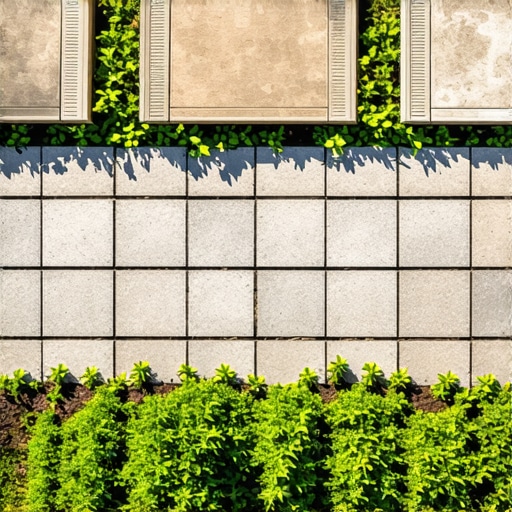
![5 Cool-Touch Paver Fixes for a Safer 2026 Patio [Tested]](https://lawnmajesty.com/wp-content/uploads/2026/04/5-Cool-Touch-Paver-Fixes-for-a-Safer-2026-Patio-Tested.jpeg)