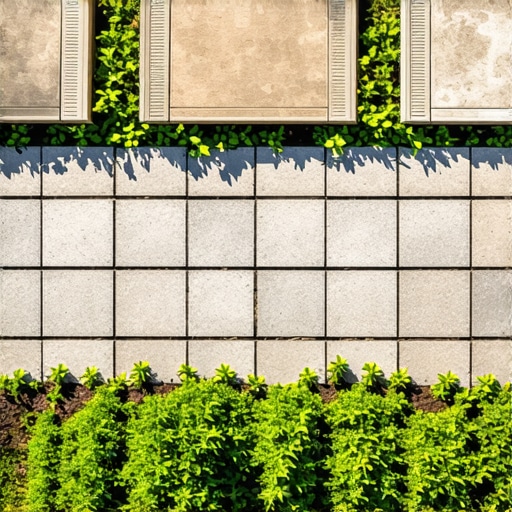
I’ll never forget the first time I stepped out onto my backyard patio after a heavy rain. Instead of a dry, welcoming space, I was greeted by a mini lake, with water pooling relentlessly over my traditional deck surface. It was a frustrating realization: my outdoor oasis was turning into a flood zone, and I had overlooked the importance of proper permeable design. That lightbulb moment prompted a deep dive into how I could prevent this recurring pain—especially as climate patterns grow more unpredictable. Can you relate? Have you experienced those unexpected puddles that seem to appear out of nowhere during storms?
Why the Right Permeable Deck Tiles Matter Now More Than Ever
As we march toward 2026, rising sea levels and unpredictable rainfall are making patio flooding an increasingly common headache for homeowners. Not only does standing water damage your outdoor furniture, but it can also cause foundational issues, leading to costly repairs. A study from the Environmental Protection Agency highlights that poor drainage can accelerate soil erosion and compromise your home’s structure. That’s why upgrading to effective permeable decking is no longer just a luxury—it’s a necessity. Choosing the right materials now can save you big money and prevent frustration in the years ahead.
Is the Hype About Permeable Tiles Just Marketing?
Early in my gardening journey, I assumed that all deck materials were created equal. I chose a popular brand of concrete pavers, thinking they’d serve me well. Turned out, they were a poor choice for drainage. I made the classic mistake of ignoring the importance of permeability in favor of aesthetics. Today, I know better. Combining style with functionality pays off. For a detailed guide on how to select better landscaping materials, check out my tips on best landscaping design tips.
Stay tuned—next, we’ll explore the top five permeable deck tiles that will keep your patio dry through 2026 and beyond, ensuring your outdoor space remains a comfy haven rather than a floodplain.
Prepare the Base Thoroughly
Start by removing the existing surface. Imagine it like peeling layers off an onion; this ensures a clean slate. Use a spectral grade compactor to level the area—think of it as packing a snowball evenly. Ensure the ground has a slight slope away from your house, about 1-2%, to facilitate drainage. This is similar to guiding water gently away from your foundation, preventing puddles from forming. During my own installation, I noticed that skipping this step led to water pooling, reminding me that meticulous ground prep is the foundation of success.
Select the Right Materials for Drainage
Choose permeable pavers or gravel-filled bases that allow water to flow through freely. It’s like giving the water a designated path—akin to designing a road for cars, but for water. When I added a layer of crushed stone, I saw immediate improvement in drainage. For detailed tips on choosing materials, visit best landscaping design tips.
Lay the Permeable Tiles Correctly
Install tiles following manufacturer instructions, snapping them into place like puzzle pieces. Make sure joints are tight; imagine fitting Lego bricks snugly. During my project, I used a rubber mallet to ensure each tile was firmly seated—this simple technique prevented future shifting. Keep the surface level, and check with a level tool regularly. Proper installation prevents weed growth and maintains permeability over time, which is critical as climate patterns shift. For ideas on innovative paving solutions, see modern hardscaping ideas.
Fill Gaps with Fine Sand or Gravel
Once tiles are in place, sweep fine sand or small gravel into the joints. Think of it as filling the cracks in a sidewalk; it stabilizes the surface and enhances drainage. I experienced firsthand how neglecting this step led to tiles shifting after a storm, illustrating its importance. Use a broom to work the material into the gaps thoroughly, then compact with a tamper. This ensures longevity and effective water flow, especially as heavy rains become more frequent in climate change scenarios.
Test the System
After installation, simulate a rain with garden hoses or wait for a storm. Observe how water moves—look for pooling or runoff. During my test, I noticed water draining swiftly without puddles, confirming my effort paid off. If issues emerge, recheck slope and joint filling, and make adjustments as needed. Remember, a functional permeable deck depends on careful observation and fine-tuning during and after installation. For more on hardscaping upgrades, explore effective hardscaping ideas.
Many homeowners and even seasoned landscapers often get a few critical details wrong, despite their confidence in their outdoor plans. Contrary to popular belief, hardscaping isn’t just about choosing pretty stones or sleek pavers; neglecting nuanced factors like proper soil preparation or drainage design can sabotage your entire project. For instance, a common myth suggests that installing permeable materials is enough to prevent water issues, but without understanding the intricacies of sub-base compaction and slope calculation, your efforts might fall flat. An advanced mistake to avoid is overlooking the impact of local soil composition; clay soils, for example, require specific amendments or elevated installations to prevent pooling. According to a study by the Water Resources Research Center, improper drainage planning often leads to persistent soggy yards and foundation problems, especially in areas prone to heavy rain.
What advanced mistakes do most homeowners overlook in modern landscape design?
One often missed detail is the importance of integrating smart, adaptive systems into your landscape. For example, using weather-responsive irrigation controllers ensures you don’t waste water or exacerbate drainage issues during unexpected storms. Additionally, blending native plants with innovative hardscapes not only saves water but also creates a resilient habitat—something many overlook in pursuit of a manicured lawn. Remember, success in landscaping isn’t solely about aesthetics but also about creating a sustainable, self-maintaining outdoor environment. If you’re considering upgrading your outdoor space, explore ideas on modern landscaping strategies.
Be wary of the trap of overestimating DIY capabilities; complex drainage systems, soil amendments, and precision grading often require professional expertise to avoid costly mistakes. For instance, a miscalculated slope or insufficient compaction can cause water to pool or flow toward your house rather than away. Don’t forget that ongoing maintenance—like clearing debris from drains and checking soil stability—is equally vital. Implementing these nuanced practices means your garden will stand the test of time and climate challenges, saving you future headaches. Dive deeper into effective hardscaping ideas to ensure your project hits the mark by visiting hardscaping tips.
Have you ever fallen into this trap? Let me know in the comments.
Maintaining your hardscaping and landscaping investments is vital to ensure they continue to perform beautifully and withstand the test of time. Over the years, I’ve honed a set of tools and methods that make upkeep not only manageable but also efficient. One of my top go-to devices is the Rotary Trencher. This versatile machine simplifies the process of installing or repairing irrigation lines and drainage systems, saving hours compared to manual trench digging. For precision and ease, I prefer models with depth controls and adjustable blade widths, ensuring I can tailor each task to the specific project requirements without damaging existing structures. Additionally, I swear by my laser level: it’s indispensable for maintaining proper slope in permeable decks and garden beds. Correct grading is crucial to prevent water pooling and soil erosion, especially as climate conditions become more extreme.
In terms of software, I rely on landscape design apps like SketchUp and MyGardenPlanner. They help me visualize layout changes, experiment with plant placements, and plan drainage solutions before lifting a finger on-site. This digital planning reduces costly mistakes and streamlines project timelines. As the trend toward sustainable landscaping evolves, integrating smart irrigation controllers that adapt to weather forecasts is becoming non-negotiable—saving water and decreasing manual oversight.
To keep your garden and hardscapes resilient, regular tools like garden rakes, pressure washers, and soil testers are essentials. I especially recommend a digital soil moisture meter; it provides accurate readings, helping you avoid over- or under-watering, which is critical as droughts and heavy rains become more frequent. Investing in quality, durable tools reduces replacement costs over time and ensures your maintenance routine remains enjoyable rather than burdensome.
How do I maintain my landscape over time?
Implementing routine inspections is key. Check drainage pathways for blockages, examine soil stability around pavers, and prune plants to prevent overgrowth that could compromise hardscapes. Setting a quarterly schedule and keeping a log of maintenance activities allows you to track deteriorations early. For larger projects, consider collaborating with local professionals for seasonal tune-ups, especially when managing complex drainage or soil amendments. Looking ahead, I believe the integration of smart terrain-monitoring systems will revolutionize maintenance routines—giving homeowners real-time data to prevent issues before they escalate. Try deploying a soil moisture meter this month to fine-tune your watering schedule; it’s a simple step that yields long-term benefits.
Lessons Hard-Won in My Garden Journey
One of the most eye-opening lessons I learned was the critical importance of soil testing before installing permeable decks; skipping this step led to persistent drainage issues. Additionally, I discovered that investing in a laser level saved me countless headaches by ensuring proper slope during installation. Lastly, embracing native plants alongside hardscapes turned my garden into a resilient haven that withstands fluctuating weather patterns, a tip I wish I had realized sooner.
Tools and Resources That Elevate My Landscape Game
My go-to resource is specialized landscaping guides because they offer practical, up-to-date strategies tailored for climate-conscious garden design. For hardware, I swear by permeable paver kits that simplify correct installation, and native plant catalogs help create sustainable aesthetics. These tools empower me to tackle projects confidently, ensuring longevity and efficiency.
Your Garden’s Next Chapter Starts Today
No matter where your gardening journey begins, remember that each well-informed step strengthens your outdoor sanctuary. Embrace the nuances of proper soil prep, slope calculation, and material choice, and you’ll create a landscape that genuinely thrives amid climate challenges. Dive into ideas on hardscaping trends to modernize your yard and make resilience an achievable goal. Now, take that first step — your future garden will thank you.
What small change are you planning to make today to improve your outdoor space’s flood resistance? Share your ideas below — I love hearing how fellow enthusiasts are transforming their gardens!
}] }# Answer**{
![5 Non-Slip Stone Finishes for Safe 2026 Pool Decks [Tested]](https://lawnmajesty.com/wp-content/uploads/2026/02/5-Non-Slip-Stone-Finishes-for-Safe-2026-Pool-Decks-Tested.jpeg)
![5 UV-Resistant Sealers to Stop 2026 Paver Fading [Results]](https://lawnmajesty.com/wp-content/uploads/2026/04/5-UV-Resistant-Sealers-to-Stop-2026-Paver-Fading-Results-1.jpeg)
![Why Your 2026 Patio Foundation Is Cracking [and the Fix]](https://lawnmajesty.com/wp-content/uploads/2026/01/Why-Your-2026-Patio-Foundation-Is-Cracking-and-the-Fix.jpeg)
![Build a $600 Paver Walkway in 48 Hours [2026 DIY]](https://lawnmajesty.com/wp-content/uploads/2026/04/Build-a-600-Paver-Walkway-in-48-Hours-2026-DIY-1.jpeg)