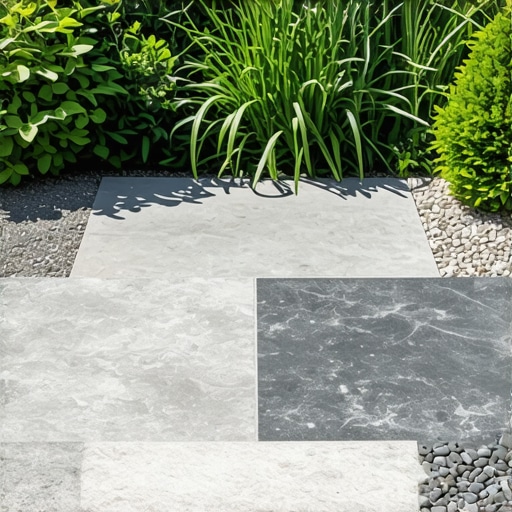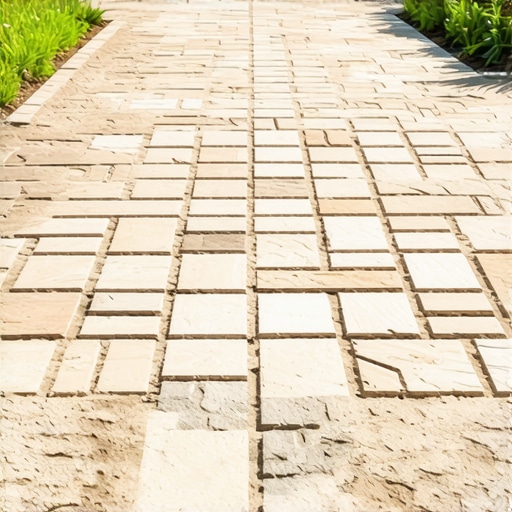
I remember the first time I spotted those stubborn weeds sprouting between my pavers, right when I thought I had everything under control. It was a warm spring morning, and I was so proud of my well-laid outdoor space. But then, an unwelcome invasion of green pushed through the grout lines, turning my pride into frustration. That lightbulb moment made me realize: if I don’t address this weed invasion now, it’ll only get worse, turning my beautiful patio into an overgrown mess.
Why Weed Growth in Paver Grout Is More Than Just a Cosmetic Issue
Weed intrusion isn’t just about aesthetics; it can compromise the integrity of your hardscaping and cost you more in the long run. Those tiny plants manage to exploit even the tiniest cracks, rooting deeply enough to dislodge the grout and cause shifting or sinking of your pavers. Plus, once weeds establish themselves, they spread quickly, making it harder to control the problem later. In fact, according to gardening experts, uncontrolled weeds can cause structural damage over time, leading to costly repairs or replacements. That’s why taking action now is so crucial.
Are You Wasting Time on Fads That Don’t Work?
Early in my own battle with weeds, I made the mistake of relying solely on chemical herbicides, thinking they’d be a quick fix. While they seemed effective at first, I overlooked how some weeds quickly returned, sometimes more stubborn than before. It was frustrating and, honestly, a bit disheartening. I’ve learned that a combination of smart tactics tailored for the specific challenge of paver grout is far more effective. Ready to learn the proven strategies that finally gave me control? Let’s dive into the solutions that will keep your outdoor space weed-free and looking pristine.
Lift the Weeds with a Concrete Tool
Start by grabbing a handheld grout removal tool or a stiff-bristled brush. Carefully insert the tool into the cracks and scrape away the weeds’ roots, much like peeling off stubborn stickers. I vividly remember a Saturday morning when I used a small chisel to loosen the roots of stubborn weeds; the process was messy but ultimately rewarding as it cleared the space for my next steps, preventing the weeds from regrowing.
Apply a Targeted Organic Herbicide
Mix a concentrated organic herbicide, such as vinegar-based solutions, according to the instructions. Spray it directly onto the remaining weed patches, making sure to cover the roots thoroughly. This step is crucial because it kills the roots below the surface, preventing regrowth. I once over-applied and noticed minor staining, so always test in a small area first and avoid excess application to protect your pavers.
Seal the Grout to Prevent Future Invasions
Once the weeds are gone and the area has dried, apply a high-quality grout sealer. Think of it as a protective shield that blocks the tiny cracks weeds love to exploit. I recommend choosing a breathable sealer that allows moisture to escape while keeping out weeds and dirt, which can be seen in effective hardscaping with sealers designed for outdoor use. Proper sealing can last several years and saves you effort in the long run.
Maintain with Routine Checks and Cleanings
Regularly inspect the paver joints every few months. Remove any small weeds immediately with a narrow tool or brush before they establish a foothold. Raking or sweeping the area regularly also prevents debris buildup, which can retain moisture and encourage weed seeds to germinate. I set a calendar reminder to check these spots, catching weeds early, much like a gardener tends to new shoots before they take over.
Consider Upgrading Hardscaping Layers
If weeds are persistent despite these efforts, rethinking your hardscaping strategy can help. Installing permeable stones or a layer of mulch over the joints prevents weed seeds from settling and germinating. For example, adding a layer of gravel or decomposed granite can act as a weed barrier while maintaining aesthetic appeal. In my backyard, replacing some of the cracked grout with polymeric sand significantly reduced weed growth and eased future maintenance.
While it’s common to think that regular mowing and watering are enough to maintain a lush lawn, many homeowners overlook the subtle yet impactful nuances that truly determine outdoor success. One prevalent myth is that more aggressive fertilization leads to quicker, greener results. In reality, over-fertilizing can cause thatch buildup and even promote disease susceptibility, as detailed by turfgrass experts. Instead, a balanced, organic approach promotes healthier roots and stronger grass, which you can learn more about by exploring organic soil fixes beneficial for 2026 lawns.
Another common misconception is that hardscaping should be a static element; however, ignoring the evolving nature of outdoor environments leads to issues like drainage problems or shifting foundations. For instance, poorly planned patios may seem visually appealing initially but can trap water and erode bases over time. Integrating proper hardscaping strategies ensures durability and functionality long-term, especially if you anticipate seasonal shifts and rainfall patterns.
Let’s not forget the impact of garden design choices. Many believe that a one-size-fits-all approach works, yet each space has unique sun exposure, soil type, and microclimates. Such nuances influence plant selection, watering needs, and aesthetic outcomes. For example, choosing native plants adapted to your specific climate reduces water use and maintenance, a concept supported by landscape architects nationwide. Discover more about creating stunning, sustainable gardens tailored to your environment.
How can fine-tuning your lawn care routines prevent long-term damage?
Addressing this question involves understanding the complex interplay between soil health, plant biology, and climate conditions. An overlooked detail is that soil compaction significantly impairs water infiltration and root growth, leading to persistent problems despite regular care. Implementing simple soil tests can reveal hidden issues and guide targeted amendments, improving overall grass vitality. Remember, small adjustments now can prevent costly repairs later—so stay vigilant and informed.
In essence, mastering the craft of lawn care and outdoor design requires more than routine tasks; it demands an understanding of nuanced interactions and common pitfalls. Are you aware of the subtle signals your yard gives? Have you ever fallen into these traps? Let me know in the comments, and I’ll help you navigate toward a healthier, more resilient outdoor space.
Keep It Working with the Right Tools
Maintaining your outdoor spaces long-term requires precision and efficiency, for which specialized tools are essential. I personally rely on a cordless rotary tiller for aerating compacted soil; its power and portability make it easier to prep your garden beds without the hassle of cords or gas. When it comes to weed control in paver joints, a hand-held grout saw allows for detailed removal of stubborn roots, saving you time and preventing damage to surrounding areas. For watering, I recommend installing a drip irrigation system, which delivers water directly to plant roots with minimal waste, aligning with the trend towards sustainable, water-efficient landscaping. The control and consistency these tools offer ensure your landscape remains healthy and attractive without constant oversight.
Invest in Proven Equipment for Long-Term Results
Choosing durable equipment makes all the difference. For example, a high-quality stone splitter like the [QEP 60050Q Heavy-Duty Handle Clay and Concrete Cutter](https://lawnmajesty.com/7-pro-fixes-for-brown-patch-lawn-disease-in-2026-tested) enables clean cuts through hardscaping materials, which is invaluable when adjusting features or replacing damaged sections. Additionally, a compact electric tiller with adjustable depth settings provides versatile soil cultivation, helping you prep seedbeds or incorporate organic amendments effectively. Personally, I favor models with brushless motors for longevity and less maintenance—saving both money and frustration over time. By selecting tools with proven reliability, you’re setting yourself up for continuous success with your outdoor projects.
Automate and Monitor for Ease
Technological advancements are transforming outdoor maintenance—smart controllers and automation software are becoming increasingly affordable. I utilize a smart irrigation controller that syncs with weather forecasts, automatically adjusting watering schedules, which drastically reduces water waste—check out the insights on passive irrigation tricks. Integrating soil moisture sensors further refines this approach, ensuring your lawn gets exactly what it needs, no more or less. These tools provide peace of mind and optimize resource use, making garden care less of a chore and more of a strategic process. As technology evolves, I predict even more integrated systems that will actively monitor multiple landscape parameters, simplifying maintenance routines significantly.
How Do I Maintain Lawn and Hardscape Systems Over Time?
Consistent maintenance relies on scheduled inspections and timely upgrades. At least seasonally, check your irrigation systems for leaks or clogging, and clean or replace filters as needed. Regularly examine paver joints with a narrow tool to ensure no weeds are sneaking back in—doing so can extend the lifespan of your hardscaping, as detailed in paver maintenance tips. Implement a calendar reminder for soil tests, which reveal essential nutrient deficiencies and soil compaction issues before they become costly problems. Staying ahead of potential failures means your outdoor environment remains lush and structurally sound, reducing the need for extensive repairs. Start applying these practices now, and consider upgrading your tools periodically—they’re investments that definitely pay off in the long run.
Throughout my gardening journey, I’ve discovered that the true key to maintaining stunning outdoor areas lies in small, often overlooked details. One of the most valuable lessons I learned was that consistent, strategic intervention beats quick fixes any day. It’s tempting to think one treatment will solve the weed problem forever, but in reality, patience and precise actions build long-lasting results. When I shifted my focus from reactive solutions to proactive maintenance, I transformed my patio into a resilient, beautiful space that endures the test of time.
The Hardest Lesson I Learned About Garden Defense
- Over-reliance on chemical herbicides can lead to weeds that grow back stronger, making me realize that natural, targeted methods are more sustainable and less damaging to my plants and the environment.
- Sealing grout lines after weed removal significantly reduces future invasions, a step I once dismissed but now swear by for long-term control and peace of mind.
- Regular inspections, even when everything looks pristine, catch emerging weeds early—saving me time, effort, and costly repairs in the future.
- Upgrading to quality tools like precision grout saws and durable sealers truly makes maintenance easier and more effective, turning a chore into a manageable routine.
- Understanding my yard’s unique microclimate and soil conditions has allowed me to tailor my approach, leading to healthier plants and less weed trouble overall.
My Gear for a Weed-Free Oasis
- High-Quality Grout Removal Tools: A good grout saw simplifies weed and root removal, making maintenance less frustrating and more thorough.
- Natural Herbicide Formulas: Vinegar-based solutions are cost-effective and eco-friendly, proven to kill weeds effectively without harming surrounding plants.
- Reliable Grout Sealers: Breathable sealers protect against future invasions while allowing moisture to escape, preserving your hardscaping’s integrity.
- Soil Testing Kits: Easy-to-use tests guide amendments, ensuring your soil supports healthy growth and resistance to weeds.
Becoming the Master of Your Outdoor Space
Taking charge of your garden’s health means embracing continuous learning and adaptation. Start with small, consistent steps—inspect, remove, seal, and enrich—and over time, you’ll notice a significant difference. Remember, the most resilient outdoor spaces are built on mindful, proactive care rather than quick fixes. As you implement these strategies, your outdoor area will become a sanctuary not just beautiful but also enduring against weeds and wear. Ready to elevate your garden game? Share your experiences or ask for tips below—I’m here to help you succeed in cultivating a lush, weed-free haven.
![Build a $600 Paver Walkway in 48 Hours [2026 DIY]](https://lawnmajesty.com/wp-content/uploads/2026/04/Build-a-600-Paver-Walkway-in-48-Hours-2026-DIY.jpeg)


![Build a 2026 Stone Path for $200 [No-Dig Weekend Project]](https://lawnmajesty.com/wp-content/uploads/2026/04/Build-a-2026-Stone-Path-for-200-No-Dig-Weekend-Project.jpeg)