Ever stepped into my backyard after a heavy rain and felt like I was about to sink into a muddy swamp? That sinking feeling of your garden turning into a soggy mess is more common than you’d think. It took me a frustrating season to realize that my lush-looking yard was really just a waterlogged disaster waiting to happen, especially in those low-lying spots. My lightbulb moment came when I finally grasped that some plants are simply too thirsty for soggy soil, and trying to force them to thrive there was only making things worse.
Why Ignoring Wet Patches Can Ruin Your Garden Vision
The truth is, ignoring boggy areas in your garden doesn’t just make for an unsightly patch of standing water. It can lead to ongoing problems like root rot, disease, and even structural damage to your hardscaping. I realized early on that my mistake was planting high-maintenance, water-loving plants in these damp zones—only to watch them struggle and die, or worse, create more drainage issues. Understanding which plants are actually suited for these conditions is the first step toward transforming your wet spots into healthy, thriving garden features.
Is Adding Drainage Really Necessary or Just Hype?
At first, I thought that simply adding a few drainage pipes would solve everything. Turns out, I was mistaken. Poor drainage isn’t solely fixed with tech; sometimes, selecting the right plants makes all the difference. I learned this the hard way when I ignored the importance of choosing plants that can tolerate or even thrive in moist soils. Early gardening missteps taught me that failing to match plants with soil conditions can lead to wasted effort and money. For expert insights on fixing drainage issues naturally, check out this helpful guide on drainage solutions.
Now that we’ve covered why it’s essential to address wet patches, let’s explore which plants can help dry out those soggy garden spots—saving you time, effort, and a lot of frustration. Ready to dive into the five hardy plants that can turn your boggy woes into lush landscaping treasures? I promise, with a little patience and these plant choices, your garden will thank you by summer’s end.
.
Select Plants That Tolerate Wet Conditions
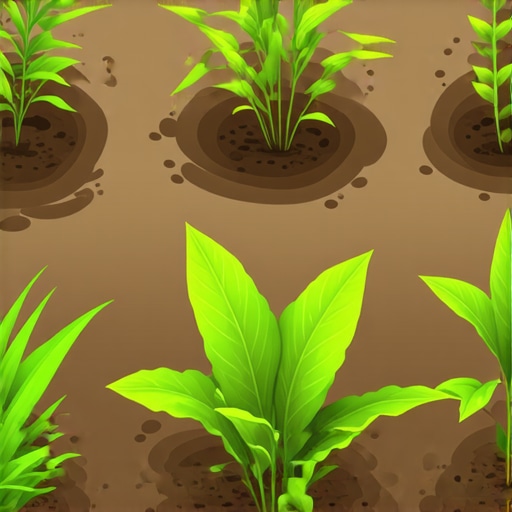
Start by choosing plants known for thriving in soggy soils. I once decided to plant native sedges and rushes in my lowest yard corner, which I had previously ignored. I cleared out the existing weeds, loosened the compacted soil, and planted the hardy species. Within weeks, I noticed these plants establishing strong roots, turning the muddy patch into a lush, low-maintenance feature. Consider climate-tough shrubs that resist wetness while adding beauty.
Amend Soil for Better Drainage
Good drainage starts beneath the surface. I tested my soil’s drainage using a simple jar test—filling a container with soil and water, then observing how quickly water filtered through. The test revealed my soil retained too much water. To fix this, I mixed organic matter like composted leaves and coarse sand into the soil, mimicking the natural gritty layers found in well-draining environments. Better soil structure encourages excess water to flow away, preventing root rot. For detailed soil improvement techniques, check out this guide.
Implement Effective Drainage Solutions
Next, I added simple gravity-based drainage features. I dug shallow channels—about 6 inches deep—along the edge of the muddy zone, directing water toward a grassy area or storm drain. To ensure water didn’t pool again, I installed perforated pipes (French drains) surrounded by gravel, which acted like a sponge, pulling excess water away from planting beds. When I tested the setup during rain, water flowed smoothly away—eliminating standing puddles. For cost-effective fixes, explore natural drainage ideas.
Use Permeable Materials in Hardscaping
When replacing or adding hardscape features, opt for permeable options like gravel or permeable pavers. I replaced a cracked concrete path with interlocking permeable pavers, allowing rainwater to seep through rather than cause runoff. Lay a bed of compacted gravel beneath these pavers for additional drainage. This practical upgrade made my patio more resilient to heavy rains and reduced water buildup around my outdoor seating. For durable alternatives, see these modern pavers.
Maintain Proper Grading for Water Flow
Check your yard’s slope regularly. I used a carpenter’s level on a long board to evaluate the grade, ensuring it directed water away from the house and standing in low spots. When I found flat or uphill areas where water pooled, I added soil to create a gentle slope—roughly 2%—so water naturally moved toward drainage points. Proper grading is a straightforward way to keep water from sitting in undesirable spots and can be complemented with strategic plant placement to absorb residual moisture.
Add Low-Impact Vegetative Barriers
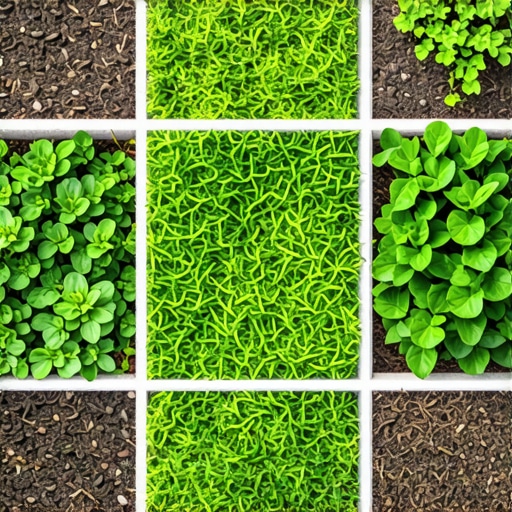
planting dense ground covers like cushion mosses or creeping Jenny around the wet zone keeps soil aerated and reduces erosion. I planted a wide strip of ivy along the edge, which stabilized the soil and absorbed excess moisture. These plant barriers act as natural sponges and prevent soil compaction, which worsens drainage issues. Regularly inspecting their health improves long-term water management in your garden.
Applying these techniques together bridges the gap between theory and action, transforming soggy soil into a manageable, even attractive feature. Gardening, after all, is a hands-on craft—the more I experimented, the better my understanding became of what works best in my unique space.
Many garden enthusiasts believe that lush, perfectly manicured lawns and elaborate hardscaping automatically translate to a successful landscape. However, this mindset often misses the nuance that true mastery requires. A common misconception is that more is better—more plants, more features, more color. In reality, over-cluttering can diminish the natural harmony and functionality of your outdoor space. Expertise lies in understanding the balance between hardscaping and softscape, ensuring each element complements the other and enhances water management, usability, and aesthetic appeal. For instance, integrating permeable paving not only looks stylish but is crucial for effective drainage, especially in areas prone to waterlogging. This attention to detail, backed by research from landscape professionals, can transform a basic garden into a sustainable haven. It’s worth noting that many overlook the importance of soil health and grading, which are foundational to long-term success. Implementing proper grading techniques ensures water flows away from structures and pooling zones, which can prevent costly damage. Using native or drought-tolerant plants is another advanced strategy—these species are naturally adapted to your climate and require less maintenance and water. Don’t fall into the trap of choosing plants solely based on appearance; consider their root structures and water needs to avoid future issues. Additionally, many think that installing elaborate irrigation systems guarantees lush growth. Yet, passive techniques like water-efficient mulching, smart plant placement, and rain capture can be equally effective and more sustainable. According to environmental studies, over-reliance on tech without understanding the nuances can lead to waste and inefficiency. When planning your landscape, ask yourself: Are each of my choices rooted in a comprehensive understanding of tree, shrub, and soil interactions? Have I considered the hidden benefits of native plantings on local ecosystems? Remember, successful gardening isn’t just about appearance—it’s about creating a resilient, functioning environment. So, before you carve out that new patio or overhaul your lawn, think about these subtle yet impactful factors. Want to dive deeper into smart landscaping practices? Check out tips on natural drainage solutions or soil health to ensure your garden can withstand the test of time. Have you ever fallen into this trap? Let me know in the comments.
Keep Your Garden Thriving with the Right Tools
Maintaining a beautiful, sustainable garden requires reliable equipment that stands the test of time. I swear by a high-quality soil pH tester, like the SpectraTemp digital meter, which I use regularly to monitor soil health and prevent issues like nutrient deficiencies. A durable garden sprayer with adjustable nozzles allows me to apply fertilizers and amendments efficiently, ensuring that every plant gets the nourishment it needs. For edging and clean lines, a good cordless trimmer has become indispensable—saving me time and effort while keeping beds tidy. These tools are investments that reduce long-term costs and help sustain garden health.
Thinking ahead, eco-friendly tools such as electric or battery-powered equipment will dominate future trends, reducing emissions while improving efficiency. A focus on ergonomic design also minimizes strain during prolonged use, making maintenance more manageable over years.
How do I maintain garden tools over time?
Proper care extends the lifespan of your equipment. Regularly clean blades, sharpen pruning shears, and lubricate moving parts with quality oils—like those from WD-40. Store tools in dry, protected environments to prevent rust and deterioration. Replacing worn-out parts promptly, such as drill bits or mower blades, ensures optimal performance and safety. For electronics, like moisture sensors or irrigation timers, keep firmware updated and replace batteries as needed. These small habits maintain functionality and save money in the long run.
When it comes to scaling your garden, it’s essential to invest in modular hardscaping elements, like interlocking permeable pavers, which adapt easily to different layouts and expansions. For quick upgrades, consider adding modular wall systems or adjustable planting beds that grow with your skills and needs. Want to streamline your drainage? Installing flexible, high-tech drainage grids can handle heavy water flow and adapt to changing yard conditions, as discussed in expert guides on drainage solutions.
The Future of Garden Maintenance
Automation and smart technology will become increasingly prevalent. Autonomous robotic mowers, like those reviewed in this guide, are now capable of maintaining large lawns with minimal oversight. Additionally, IoT-enabled soil moisture sensors can communicate with your irrigation system, optimizing watering schedules based on real-time data. Embracing these innovations will not only enhance efficiency but also promote healthier plants and resource conservation.
To get started, try calibrating your soil pH meter weekly and adjusting your amendments accordingly. Small, consistent actions lead to vibrant, sustainable gardens that flourish year after year.
What I Learned the Hard Way About Wet Spots in My Garden
- Experiencing repeated failure taught me that matching plants to soil conditions isn’t just a tip—it’s a fundamental principle for long-term success. My early attempts to plant moisture-loving flowers in soggy areas resulted in constant loss and frustration. The lightbulb moment was understanding that soil assessment and proper plant selection go hand-in-hand.
- I discovered that proper grading isn’t something I could set and forget. Regularly checking the slope of my yard saved me from future flooding issues and costly repairs. Now, I see grading as a proactive step that protects my hardscapes and plants, creating a foundation for resilient landscaping.
- Soil amendments made a world of difference. Initially, I thought you could fix wet soil with drainage alone, but mixing organic matter and sand significantly improved water flow and root health. This revelation underscored the importance of soil health as the basis for everything else.
- Natural drainage solutions, like gravel trenches and permeable pavers, proved more effective and sustainable than costly drainage systems I once considered. Embracing simple, natural solutions transformed my wet zones into feature areas that add value and beauty to my garden.
- Realizing that native plants are more than just hardy—they are ecosystem helpers—has been rewarding. Using plants adapted to my area’s moisture levels made maintenance easier and created a more balanced, sustainable landscape.
My Toolkit for Creating Lasting Water Management
- Soil testing kits became essential for diagnosing and addressing soil issues accurately, saving me guesswork.
- durable garden tools like sturdy shovels and rakes help me maintain grading and amendments with ease.
- Once I integrated permeable hardscape materials, my landscape became more resilient during heavy rains.
- Practical native and adaptable plants provide natural solutions that require less intervention and thrive in challenging spots.
Your Next Step in Garden Mastery
Don’t wait until soggy patches turn into costly disasters. Embrace these proven techniques, trust the process, and watch your garden flourish even after heavy rains. Remember, small consistent actions make a significant difference. Ready to turn your wet zones into the highlight of your landscape? Start with soil testing and smart plant choices, and be prepared for your garden to surprise you with its resilience and beauty.
What has been your biggest challenge with garden wet spots, and how have you tackled it? Share your experience below—I’m eager to hear your story!
,
![5 Climate-Tough Shrubs for No-Water 2026 Gardens [Tested]](https://lawnmajesty.com/wp-content/uploads/2026/02/5-Climate-Tough-Shrubs-for-No-Water-2026-Gardens-Tested.jpeg)

![4 Salt-Tolerant Plants for 2026 Coastal Garden Privacy [List]](https://lawnmajesty.com/wp-content/uploads/2026/02/4-Salt-Tolerant-Plants-for-2026-Coastal-Garden-Privacy-List.jpeg)