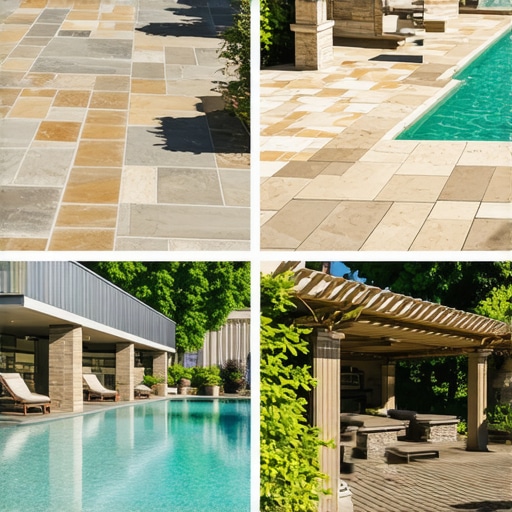
4 Cool-Pore Stone Tactics to Drop 2026 Patio Heat
Before you lay a single square foot of stone, you need to understand that a patio is not a floor—it is a thermal battery. Most residential hardscapes built by low-bid contractors are essentially outdoor ovens, soaking up solar radiation and radiating it back at 130 degrees Fahrenheit long after the sun sets. If you want a surface you can actually walk on in July, you have to engineer for thermal dissipation from the sub-grade up.
The Science of Solar Heat Gain in Hardscapes
To lower patio temperatures effectively, contractors must prioritize the solar reflectance index (SRI) and open-graded base layers that allow for convective cooling. Utilizing materials with high porosity and high albedo values prevents the stone from reaching critical thermal mass, ensuring the surface remains 20 to 30 degrees cooler than traditional dense concrete or dark slate. It is about physics, not aesthetics.
I recently got called out to tear up a $30,000 patio that was sinking and radiating heat like a blast furnace. The previous contractor had used a dense, dark limestone set on a 4-inch solid concrete slab with zero drainage. Not only was the stone cracking due to hydrostatic pressure, but the surface temperature clocked in at 155 degrees in the August sun. We had to excavate the entire mess. If you don’t account for how stone breathes and moves water, you are just building a very expensive mistake. We replaced it with a ventilated system that actually pulled cool air from the earth below. It works. Don’t let a ‘mow-and-blow’ guy tell you that a thin layer of sand is enough. It is not.
“A retaining wall doesn’t fail because of the stone; it fails because of the water trapped behind it, and a patio doesn’t overheat because of the sun; it overheats because of its density and lack of ventilation.” – Hardscape Engineering Axiom
Tactic 1: Implementing Open-Graded Base Systems for Convective Airflow
An open-graded base system utilizes clean, angular stone (typically #57 and #8 stone) instead of the traditional ‘dense-graded’ modified gravel that contains fines. By eliminating the ‘fines’ or dust, you create a 30% to 40% void space beneath the pavers. This void acts as a thermal break, allowing cooler air from the ground to move upward and dissipate the heat trapped in the stone. This is the foundation of cool-pore logic.
How much modified gravel do I need for a patio base?
For a standard residential patio, you need a minimum of 6 inches of compacted aggregate. However, for a cool-pore system, we use 4 inches of #57 stone followed by 2 inches of #8 stone for the bedding layer. This ensures structural integrity while maintaining the critical air gaps needed for thermal regulation and drainage.
Tactic 2: Selecting High-Albedo Travertine and Shellstone
Paver selection is where most homeowners fail. If you pick a dark gray or charcoal paver, you are inviting a heat stroke. High-albedo materials like premium ivory travertine or shellstone contain microscopic calcium carbonate structures that reflect UV rays rather than absorbing them. These stones are naturally porous. The ‘pores’ aren’t just for water; they interrupt the thermal conductivity of the material. It is the difference between touching a piece of wood and a piece of steel in the sun.
| Dark Concrete Paver | 20-30 | 145F | Low |
| Red Brick | 35-45 | 135F | Medium |
| Ivory Travertine | 70-80 | 105F | High |
| Shellstone | 85+ | 98F | Ultra-High |
Tactic 3: Vapor-Permeable Jointing Protocols
Stop using traditional polymeric sand that seals the joints like plastic. If you seal the joints, you seal in the heat. To drop the temperature, use vapor-permeable jointing aggregates or specialized high-flow polymers. This allows the patio to ‘sweat.’ When moisture in the sub-grade evaporates, it travels through the joints, providing evaporative cooling to the stones. This is basic thermodynamics that most landscapers ignore because they want a fast cleanup.
Does light color really matter for patio stone?
Color is the single most important factor in thermal absorption. Light-colored stones reflect up to 80% of solar energy. A white or cream-colored stone will stay significantly cooler than a tan or brown stone, even if they are the same material. In 2026, as urban heat islands increase, light-colored, open-pore stones are the only viable option for south-facing exposures.
“Soil temperature regulation is directly tied to the porosity of the surface cover; dense surfaces kill microbial life by trapping heat and preventing gas exchange.” – Agronomy Manual for Sustainable Landscapes
Tactic 4: The Hydro-Wicking Sub-Layer
If you really want to over-engineer for the heat, you install a wicking fabric between the sub-grade and the stone base. This fabric pulls moisture from the deeper soil layers and keeps the aggregate base slightly damp. As the sun hits the stone, that moisture evaporates, pulling heat away from the patio surface. It is a passive geothermal cooling system. It requires precision grading and a deep understanding of your local water table. Don’t skip the 811 call before you dig. You need to know where your lines are before you excavate 12 inches for a proper thermal base.
Professional Installation Checklist
- Excavation Depth: Minimum 8-12 inches depending on soil type (clay requires deeper excavation).
- Geotextile Grid: Use a woven stabilization fabric to prevent the open-graded stone from sinking into the sub-soil.
- Compaction: Use a reversible plate compactor. The tamper should literally bounce off the stone when you reach 98% Standard Proctor Density.
- Edge Restraints: Use heavy-duty aluminum or reinforced plastic edging to prevent lateral movement of the porous stones.
- Slope: Maintain a 2% pitch (1/4 inch per foot) away from the house to prevent hydrostatic pressure buildup.
Landscaping is not about making things look pretty for a weekend. It is about engineering a space that survives the environment. If you buy cheap stones from a big-box store and throw them on a pile of dirt, your patio will be a cracked, burning mess within two seasons. Do it right. Focus on the pores. Focus on the base. Keep the heat where it belongs: away from your feet.
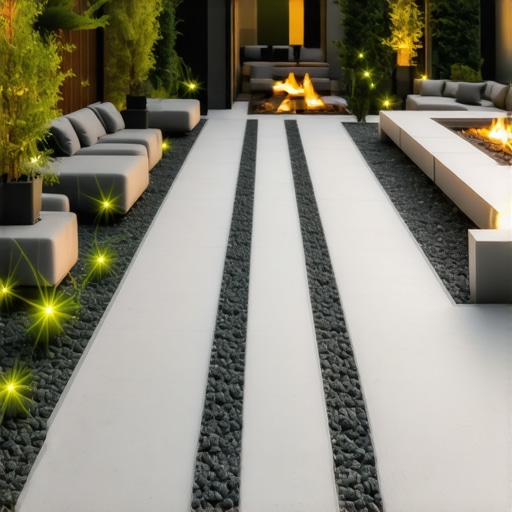
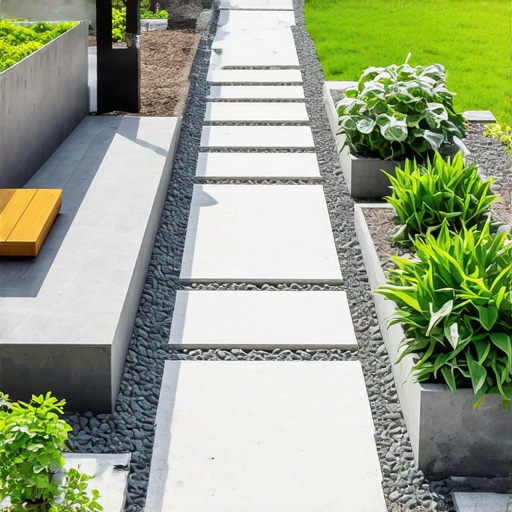
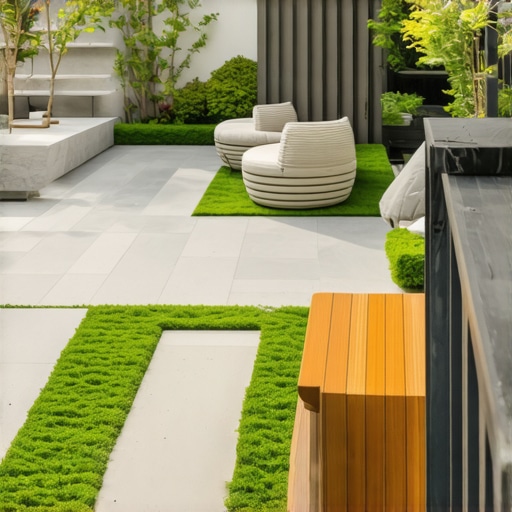
The post’s emphasis on open-graded base systems and high-albedo materials really highlights how thoughtful engineering can significantly improve outdoor comfort. I’ve been experimenting with light-colored travertine for my own patio project, and the temperature difference compared to darker stone is remarkable. What caught my eye was the vapor-permeable jointing—using permeable aggregates makes so much sense in allowing evaporative cooling, but I wonder how effective this is in humid climates where evaporation might be less efficient. Has anyone found alternative solutions or materials that work well in such conditions? I’ve also read that integrating a wicking fabric around drainage paths can further enhance cooling. Personally, I think combining these methods could be the key to creating sustainable, cool outdoor spaces that really stand up to rising temperatures. It’s encouraging to see such detailed, science-backed approaches because too often, patios are rushed without considering their environmental impact or thermal performance.