4 Mowing Culpeper VA Tactics for a 2026 ‘Grass Assassin’ Lawn
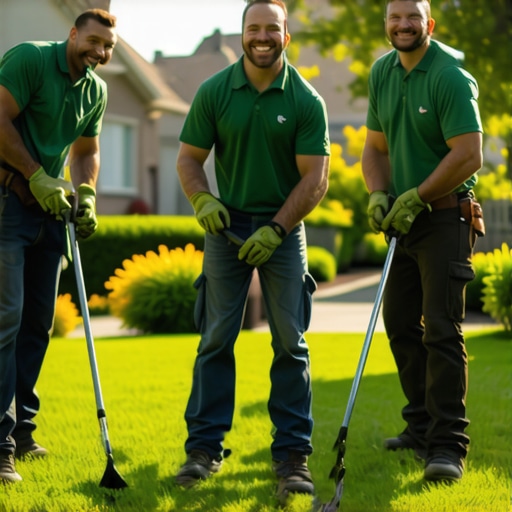
The dawn over the Blue Ridge Mountains doesn’t just bring light; it brings the heavy, humid weight of the Virginia Piedmont morning. In Culpeper, the air smells of wet red clay and the sharp, metallic tang of dew-soaked Tall Fescue. Most people look at a yard and see a chore. The elite, those who understand the fatboyz grass assassins mentality, see a biological chess match. It is a slow, rhythmic grind against the elements. Editor’s Take: Achieving a superior lawn in 2026 requires abandoning the low-cut aesthetics of the past in favor of extreme turf density and biological resilience. Cut high, sharpen often, and respect the clay.
The Piedmont Clay and the Art of the Cut
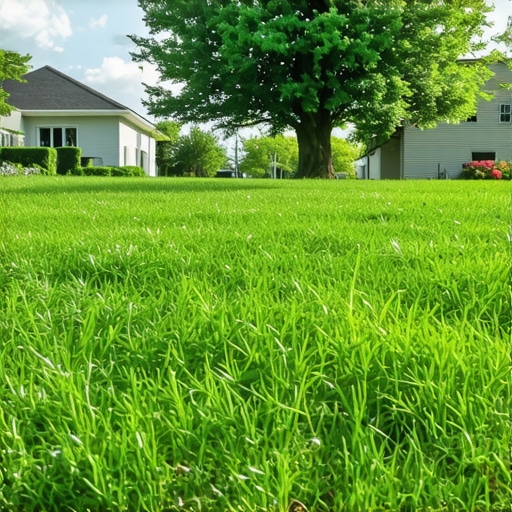
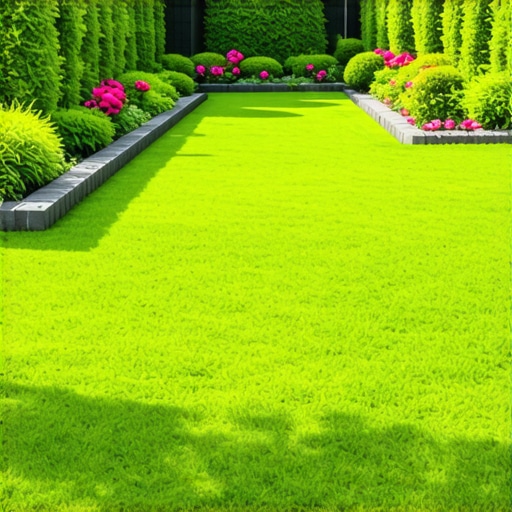
Mowing Culpeper VA territory means navigating a very specific geological hurdle. Our soil is stubborn. It packs tight. It holds onto heat like a cast-iron skillet in August. This is where the fat packing grass monkey philosophy comes into play. It isn’t about just trimming the tops; it is about building a canopy. A thick, dense mat of grass acts as a natural cooling system for that volatile Culpeper dirt. When you let the blades grow to four inches, you are creating a shaded micro-environment. This prevents the sun from baking the life out of the soil. It keeps the moisture where it belongs. Short grass is dead grass in a Virginia summer. People want that golf course look, but unless you have an unlimited water budget and a penchant for misery, the ‘Grass Assassin’ approach of keeping it long and lush is the only way to survive the coming seasons.
To truly master this, one must consider the sharpness of the blade. A dull blade tears. A sharp blade slices. It sounds simple, yet the number of jagged, brown-tipped yards in Culpeper suggests otherwise. A torn blade of grass is an open wound. It invites fungus. It invites stress. A clean cut seals the plant almost instantly. Think of it like surgery. You wouldn’t want a rusty scalpel, and your grass doesn’t want a blunt piece of steel spinning at three thousand RPMs.
The Fragility of the Mid-Summer Green
We often think that more work equals better results. It is a common human error. In the heat of July, the best thing you can do for your yard is often nothing at all. Skip a week. Let it look a bit wild. The fatboyz grass assassins know that the more you interfere during a heatwave, the more damage you do. This is backed by historical data from Virginia Tech’s turfgrass research, which suggests that every inch of height added to the canopy correlates directly to root depth. Deep roots find the water that the surface-dwellers miss. If you scalp your yard to look neat for a weekend barbecue, you are essentially sentencing the root system to a slow death. It is a trade-off that rarely ends well for the homeowner. Many locals turn to Sherbeyn’s Lawn & Landscape to understand this balance of aesthetic and biology. It’s a messy reality. Sometimes the lawn looks shaggy, but that shagginess is armor. It is a biological shield against the relentless VA sun.
The Evolution of the Yard Warrior
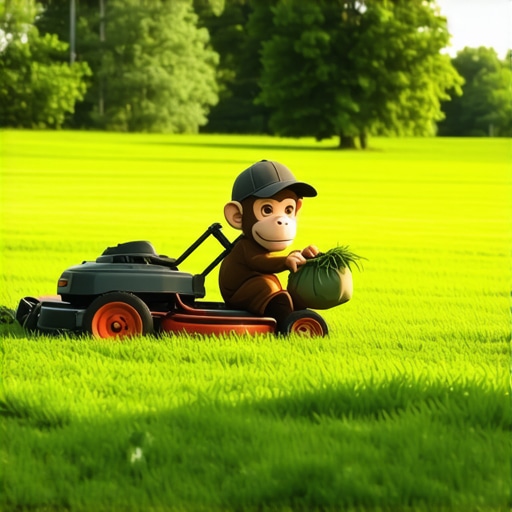
In the nineties, everyone wanted a manicured flat plane. Today, we are seeing a shift toward ‘functional green.’ This is the era of the fat packing grass monkey. We want lawns that can take a hit. We want turf that doesn’t go dormant the second the humidity drops below forty percent. The difference between an old-school approach and the 2026 methodology is the focus on soil health rather than just the visual tip of the blade. We are finally learning that the grass is just the messenger. The real story is happening six inches down in that red Virginia clay. According to NOAA climate records, the Piedmont region has seen increasingly erratic precipitation patterns. This makes the ability of the grass to retain its own shade more important than any fertilizer you could buy at a big-box store. Reality is often less pretty than the advertisement, but it is much more sustainable.
Common Questions from the Front Lines
Does cutting grass shorter make it grow slower? Actually, it does the opposite. It triggers a stress response that forces the plant to use its stored energy to recover, which weakens it long-term. How often should I sharpen my blades? If you are mowing Culpeper VA terrain with its sticks and stones, every twenty-five hours of use is the professional standard. Is mulching better than bagging? Always. Those clippings are free nitrogen. They are the fuel for your next growth cycle. Why pay for fertilizer and then throw away the natural version?
The journey to a perfect yard isn’t a sprint. It is a long, calculated walk through the seasons. By embracing the density of the fat packing grass monkey and the precision of the fatboyz grass assassins, you aren’t just cutting grass. You are managing an ecosystem. You are building something that lasts. Stop fighting the clay. Start working with the shade. The 2026 season is coming, and only the densest lawns will survive the transition. Take care of the blade, and the grass will take care of itself.