4 Culpeper VA Landscaping Tactics for a Thicker 2026 Lawn
The scent of damp Virginia red clay hangs heavy after a July storm, a thick, metallic aroma that signals both life and struggle. You stand on your porch, boots caked in the orange mud of Culpeper, staring at a lawn that looks more like a patchwork quilt of dust and crabgrass than the lush carpet you envisioned. It is a quiet frustration. We have all stood there, wondering why the soil feels like concrete and why the fescue seems to vanish the moment the humidity spikes. Editor’s Take (BLUF): True lawn resilience in the Piedmont region is a long-game strategy. To witness a thick, vibrant yard by 2026, you must prioritize aggressive mechanical thatching, soil pH correction, and high-quality grass seeding during the narrow autumn window. Patience is not just a virtue here; it is a requirement.
The Soil Beneath Our Feet
The geology of Culpeper is a demanding master. We live on the Piedmont plateau, a place where the dirt is dense, packed with minerals but often starved of the air that roots crave. When we talk about landscaping culpeper yards, we are really talking about a battle against compaction. The clay stays wet. It clings to your boots like a heavy secret that the earth refuses to share. You pull, and it pulls back. This resistance is why your grass struggles to take hold. It is not just about water; it is about the chemistry of the earth itself. According to the Virginia Cooperative Extension Publication 430-521, most lawns in our region suffer from excessive acidity that locks away vital nutrients, making even the most expensive fertilizers useless. We must understand, and eventually master, the local soil profile before we can expect the grass to respond. It is about the biology of the root zone, the invisible network of life that thrives or dies based on how we treat the top six inches of the world.
The Violence of the Rake
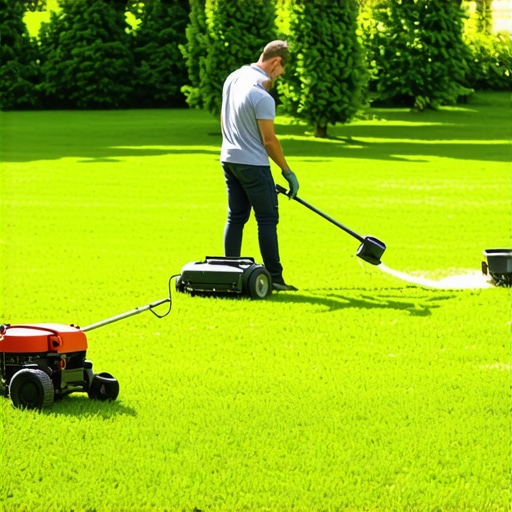
There is a specific kind of chaos that comes with proper lawn maintenance. Thatching is not a gentle process. It is a violent, necessary disruption of the status quo. When you run a power rake across your yard, it looks like a bomb went off. The machine tears through the golden-brown layer of dead stems and debris, flinging it upward in a dusty cloud. It is terrifying for the uninitiated. You might think you are destroying your yard, but you are actually clearing the throat of the earth so it can breathe again. Many homeowners hesitate here. They see the debris and stop. But the grit required to finish the job is what separates a mediocre yard from a masterpiece. Then comes the debate over grass pickup. Do you leave the clippings to rot, or do you clear the deck? In our heavy soil, leaving too much behind creates a suffocating blanket. Clearing that layer is essential for the next step. If you want the best results for landscaping culpeper va, you have to be willing to see the mess before you see the beauty. [IMAGE_PLACEHOLDER] True resilience starts in the debris.
The Wisdom of the Mow
We often treat mowing as a chore to be finished as quickly as possible. We set the blades low, wanting to stretch the time between cuts. This is a mistake. A fatal one for cool-season grasses. In the historical context of Virginia agrarianism, even figures like George Washington at Mount Vernon understood that the height of the forage dictated the health of the root. By keeping your grass taller—around three and a half to four inches—you shade the soil. This prevents the sun from baking the moisture out of the clay. It is a simple shift in perspective. Short grass leads to shallow roots. Shallow roots lead to death in the August heat. When you pair proper mowing heights with strategic grass seeding in the fall, you are building a canopy. The sun beating down, we waited for the first sprouts last season only to realize we had cut the existing grass too short to protect them. It is a cycle of protection. Modern landscaping techniques now emphasize this ‘tall and thick’ approach to outcompete weeds without heavy chemical intervention.
Why the First Try Fails
Expectation rarely meets reality on the first pass. You might buy the best seed, spread it evenly, and still see patches. This is the nature of the beast. Hardscapes like stone paths or retaining walls can change the way water flows across your property, creating dry pockets or mini-swamps where grass simply cannot survive. We have to look at the yard as a whole system. How does the water move? Where does the shade linger? Sometimes, the answer isn’t more seed; it’s a change in the physical structure of the yard. Our team often sees homeowners who are exhausted by the cycle of planting and dying. The missing link is often the timing and the mechanical preparation that happens before the first seed even touches the ground. If you feel overwhelmed by the technicalities of soil density and seed-to-soil contact, it might be time to contact us to discuss a long-term plan that actually sticks.
Questions From the Culpeper Community
When is the absolute latest I can seed in Virginia? Usually, the window closes by mid-October as the soil temperature drops and frost risks rise. Does thatching hurt my existing grass? It looks like it does, but the healthy blades will bounce back stronger once the suffocating layer of old organic matter is gone. Should I bag my clippings? If you have a heavy thatch buildup, yes. If your lawn is already healthy and thin, mulching them back into the soil can provide free nitrogen. Can I fix my lawn without chemicals? Absolutely. Aeration, thatching, and correct mowing are the three pillars of organic lawn health. Creating a thick, healthy yard is about more than just aesthetics. It is about stewarding the land we live on. Whether you are dealing with a new build with stripped topsoil or an older property with decades of compaction, the path forward is the same. It requires a deep respect for the rhythm of the seasons and a willingness to do the heavy lifting now so that by 2026, you can finally sit on that porch and look out at a lawn that feels as good as it looks.

![5 Organic Soil Fixes for a Thicker 2026 Lawn [Tested]](https://lawnmajesty.com/wp-content/uploads/2026/02/5-Organic-Soil-Fixes-for-a-Thicker-2026-Lawn-Tested.jpeg)