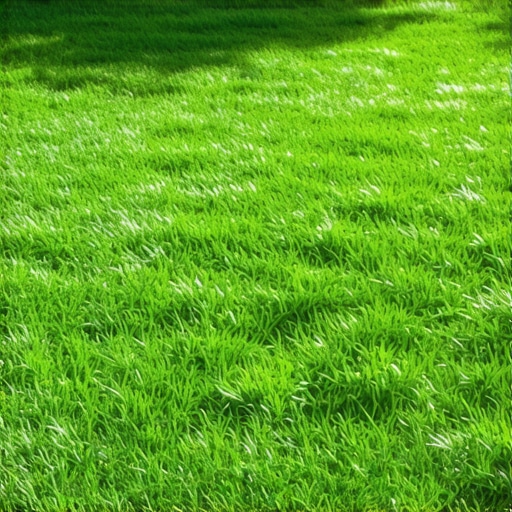
The silence of a dying yard
The smell of WD-40 on a cold morning usually means I am fixing a mower, but today it is just the scent of another failed season in Culpeper. You look at that patch of dirt by the driveway and wonder why the grass just quit. Thinning lawns in our part of Virginia happen because the soil has turned into a locked engine block. To stop the thinning by 2026, you must address soil compaction and seed-to-soil contact immediately with core aeration and high-quality tall fescue. Editor’s Take: Fix the foundation of your soil now or you will be staring at red clay and crabgrass for the next decade. It is about the mechanics of growth, not just throwing green paint on a problem.
Mechanical limits of seed to soil contact
If you just toss seed on top of thatch, you are trying to start a truck without a battery. Thatching acts like a bad gasket that prevents water and nutrients from hitting the spark plugs of your lawn. I have seen guys spend hundreds on premium seed only to watch it wash away because they skipped the prep. You need to clear the debris. Using a power rake or a heavy-duty landscaping culpeper va service ensures that the dirt is actually visible before the seed hits the ground. [IMAGE_PLACEHOLDER] Think of it as resurfacing a cylinder head. If the surface is not clean, the bond will not hold. Most people fail because they treat grass like a decoration rather than a biological machine that requires specific inputs to maintain torque through the winter. We are talking about the physical reality of roots needing a path downward. Without that path, the grass stays shallow and dies the moment the August heat hits Route 29. You want a lawn that survives? You stop treating it like a carpet and start treating it like a system.
The clay tax of Culpeper
The red clay around here is a stubborn machine. It is packed tighter than a rusted bolt on a 70s tractor. In places like the Southbridge or Lakeview neighborhoods, the ground is so dense that air cannot reach the roots. This is why we talk about core aeration as a mandatory service. You have to pull those plugs of dirt out to let the lawn breathe. Without air, the biology in your soil suffocates. It is a simple matter of displacement. You remove the old, packed earth to make room for new growth. Rainwater in Culpeper tends to run off the surface rather than soaking in because the clay acts like a shield. If you want to stop thinning in 2026, you have to break that shield. The local climate is shifting, and our winters are not as predictable as they used to be. A deep root system is your only insurance policy. This is why contact us for a soil assessment before the next planting cycle is the only move that makes sense for a serious homeowner. You cannot fight the geology of the Piedmont region with a hand spreader and a dream.
Why your neighbor advice is a lemon
Everyone has a theory, and most of them are wrong. They tell you to mow short so the sunlight hits the dirt. That is like running an engine at redline without any oil. You are burning the crown of the plant. In Culpeper, if you cut your fescue shorter than three inches, you are inviting weeds to take over the shop. Tall grass shades the soil, which keeps it cool and prevents the sun from germinating crabgrass seeds. It is a natural governor for your lawn. Another mistake is the “grass pickup” obsession. Unless you have a fungus problem, leave those clippings. They are free fuel. They break down and put nitrogen back into the system. If you bag every time, you are just throwing away the fertilizer you already paid for. It makes no sense. The reality is messy. Lawns are not linear. They respond to friction, heat, and pressure. If you are not adjusting your mower height as the season changes, you are basically trying to drive a car in first gear on the highway. You will burn it out before you reach your destination.
Maintenance logs for the future
What worked in 1995 does not work now. The 2026 reality is that we have longer dry spells and more aggressive pests. You need to upgrade your seed specs. Look for RTF or Rhizomatous Tall Fescue. It spreads through underground runners, fixing its own holes. It is like a self-healing tire. How often should I overseed in Culpeper? Once a year in the fall is the standard, but if your soil is poor, you might need a spring boost too. Why is my grass yellowing despite rain? Likely nitrogen lockout or poor drainage in the clay. Is hardscaping better than grass? For high traffic areas, yes. Do not fight a battle you cannot win. Does lime help? Only if your pH is off. Guessing is for amateurs. Can I plant in the shade? You can, but you need a different gear set, specifically fine fescues. The old guard would tell you to just add more water. The new reality says you have to be smarter about the biology. It is about efficiency, not just volume.
Closing the hood
At the end of the day, a lawn is just a reflection of the work put into the chassis. If the soil is right and the timing is calibrated, the grass will grow. If you keep ignoring the compaction and the thatch, you will be back here next year with the same bald spots. Fix it right the first time. Take care of the mechanical needs of your yard before the 2026 season kicks into high gear. If you want a yard that actually performs, stop looking for shortcuts and start looking at the dirt. Reach out to the pros who know how to handle the heavy lifting in Culpeper.
![4 Lawncare Warrenton VA Tactics for a Weed-Free 2026 [Tested]](https://lawnmajesty.com/wp-content/uploads/2026/03/4-Lawncare-Warrenton-VA-Tactics-for-a-Weed-Free-2026-Tested.jpeg)
![Stop 2026 Lawn Mold: 4 Culpeper Grass Pickup Fixes [Tested]](https://lawnmajesty.com/wp-content/uploads/2026/03/Stop-2026-Lawn-Mold-4-Culpeper-Grass-Pickup-Fixes-Tested.jpeg)
![3 Robot Mower Mistakes Killing Your 2026 Grass [and Fixes]](https://lawnmajesty.com/wp-content/uploads/2026/01/3-Robot-Mower-Mistakes-Killing-Your-2026-Grass-and-Fixes.jpeg)