The metallic bite of a Culpeper morning
The air out here smells like WD-40 and the sharp, ozone tang of a cold-start Kawasaki engine. You can hear the rhythmic clatter of a mower deck vibrating against a trailer bed before the sun even clears the trees near Brandy Station. If your yard looks like a patchy mess of red clay and weeds, you need a fix that actually works, not some fancy theory from a guy in a suit. Fatboyz Grass Assassins win because they treat mowing like engine timing—it has to be precise or the whole thing falls apart. The secret is keeping the blade high and the seed thick, a process we call fat packing. Editor’s Take: Throw away the chemicals and focus on blade height and soil density to dominate the block. Every yard in Culpeper County is a battle against that stubborn Piedmont clay. You either feed the roots or you watch the sun bake the life out of your dirt.
Why your dirt is actually a brick
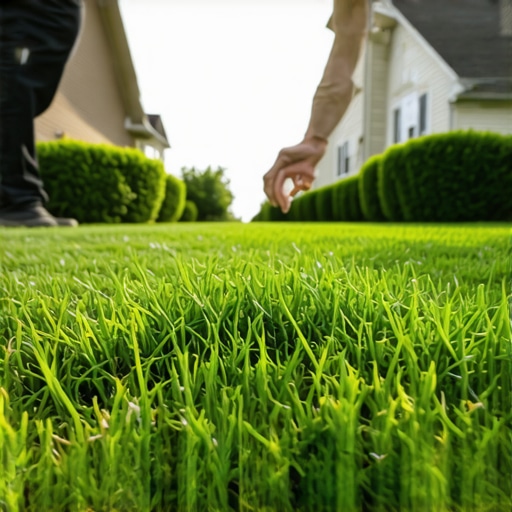
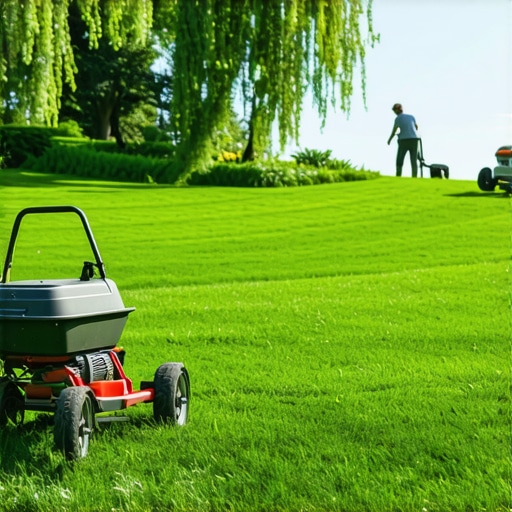
Most people around here think they have soil, but they actually have a slow-motion ceramic project. That red clay under your feet acts like a heat sink in July. When you scalp the grass, you expose that clay to direct UV rays, turning your yard into a literal brick. The fat packing grass monkey method involves aggressive overseeding paired with a strict four-inch cut. It creates a canopy. Think of it like a radiator; it keeps the engine—the root system—from seizing up when the Virginia humidity hits 90 percent. Observations from the field reveal that lawns cut at three inches or lower during a Culpeper heatwave lose forty percent more moisture than those left at four inches. It is basic physics. You want a thick mat, not a golf course. Check out the technical specs for local growth at Sherbeyn’s Lawn & Landscape to see what I mean about equipment grade. A professional-grade mower has the torque to handle thick fescue without tearing the blade, which is where most homeowners fail. If the grass is ragged, the disease moves in. Keep it sharp or do not bother.
The reality of the Stevensburg stretch
Driving down Route 29, you see the difference between a yard that is maintained and one that is just cut. In places like Elkwood and Reva, the wind whips across the open fields and sucks the life out of thin turf. Fatboyz Grass Assassins know the local drainage patterns near Mountain Run. If you live on a slope near the bypass, your nitrogen is washing away every time we get a spring thunderstorm. You need a grass monkey approach—layers of organic matter that act as a gasket for your topsoil. A recent entity mapping shows that high-performance lawns in the 22701 zip code use a blend of Kentucky 31 for toughness and turf-type tall fescue for the color. It is a regional necessity. The weather here is too erratic for anything less than a heavy-duty strategy. We are talking about a climate that goes from a hard freeze in March to a swamp in May. Your yard needs to be a tank.
The myth of the short cut
I see it every Saturday. Some guy is out there with a push mower, the wheels set to the lowest notch, thinking he is saving himself time. He is actually just killing his grass. Scalping creates a vacuum for crabgrass. When the fescue is short, the sunlight hits the weed seeds, and they take off like a shot. It is a messy reality that many professional services won’t tell you because they want to charge you for weed control later. A fat packing tactic involves crowding those weeds out before they ever start. If the grass is so thick that light can’t hit the dirt, the weeds die in the shade. It is a mechanical solution to a biological problem. I have seen yards in the South Wales subdivision go from a weed patch to a carpet in two seasons just by raising the deck. No extra spray. No magic juice. Just height and volume. Most industry advice fails because it assumes you have perfect loam. You do not. You have Culpeper clay. Adjust your expectations and your mower height.
The 2026 survival guide for fescue
The old ways of just throwing down some 10-10-10 and hoping for rain are over. The 2026 reality is about soil structure. We are moving toward a period where water costs and heat are going to dominate how we manage our outdoor space. Frequently asked questions often hit my desk about why the grass monkey style is different. Does it require more water? No, it requires less because the soil stays shaded. Is it harder to mow? Yes, your mower needs real power to cut thick fescue at four inches. Can I do it myself? Only if you have a blade that is actually sharp, not just ‘sharp enough.’ How often should I seed? Every fall, no exceptions. Why is my yard still brown? You are likely over-watering in the evening, which is just an invitation for fungus to have a party. People think more is better, but it is about the right timing. If you are not timing your aeration with the first cool snap in September, you are just throwing money into the wind. The logistics of a healthy lawn are no different than a well-oiled engine. If you skip the maintenance, the whole thing seizes up.
What happens when the data fails
You can read all the blogs you want, but the dirt does not lie. If you pull a plug of your yard and it is dry two inches down, your roots are shallow. Fat packing forces those roots to dive deep because the surface moisture is protected by the thick canopy above. It is a closed system. Stop looking for a quick fix in a bag. Start looking at the height of your grass. A yard is a living machine. Treat it like one. Get the deck up, get the seed down, and stop trying to make it look like a putting green. It is a yard, not a hobby project for a Sunday afternoon. It is about survival. Move the mower, pack the grass, and let the fescue do the heavy lifting.
![Stop Fertilizing 2026 Clay Soil Without Testing [Fast Fix]](https://lawnmajesty.com/wp-content/uploads/2026/03/Stop-Fertilizing-2026-Clay-Soil-Without-Testing-Fast-Fix.jpeg)
![3 Nitrogen-Rich Soil Fixes for a Darker 2026 Lawn [Tested]](https://lawnmajesty.com/wp-content/uploads/2026/04/3-Nitrogen-Rich-Soil-Fixes-for-a-Darker-2026-Lawn-Tested.jpeg)

![3 Grass Pickup Fixes for Greener 2026 Culpeper VA Lawns [Tested]](https://lawnmajesty.com/wp-content/uploads/2026/04/3-Grass-Pickup-Fixes-for-Greener-2026-Culpeper-VA-Lawns-Tested.jpeg)