![3 Grass Pickup Fixes for Greener 2026 Culpeper VA Lawns [Tested]](https://lawnmajesty.com/wp-content/uploads/2026/04/3-Grass-Pickup-Fixes-for-Greener-2026-Culpeper-VA-Lawns-Tested-1.jpeg)
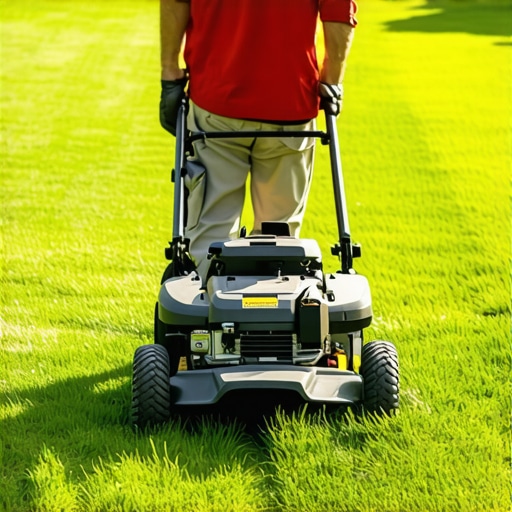
The workshop smells of linseed oil and the sharp tang of turpentine this morning. Outside, the Culpeper mist clings to the tall fescue like a damp blanket. You see it every year. People buy the flashiest zero-turn mowers and think the job is done. They leave the clippings to nourish the earth, but they are just piling garbage on a masterpiece. My father used to say that a lawn is like a mahogany table; you do not leave the sawdust on the grain and expect it to shine. If you want a deep, emerald green by 2026, you have to get the grass pickup right. Leaving clippings in our heavy Virginia clay creates a suffocating mat that breeds brown patch before the sun hits noon. Editor’s Take: Stop mulching your failures. True lawn restoration requires a clean surface for oxygen and nutrients to penetrate the Piedmont soil.
The myth of the self-cleaning yard
Everyone talks about nitrogen return. It sounds scientific. It sounds efficient. But in the real world of Culpeper County, it is often a recipe for fungal disaster. When you mow a lawn that has grown even an inch too long, those clippings do not just disappear. They clump. These clumps act like wet rags left on a wooden floor. They trap heat. They trap moisture. Within forty-eight hours, the grass underneath begins to yellow. This is not nutrition; it is slow-motion suffocation. Professional landscaping culpeper va experts see the results of this neglect every spring. The debris builds up into a thick layer of thatching that becomes a barrier. If you are serious about grass seeding this fall, that barrier must go. You cannot expect a seed to find the earth through a graveyard of last month’s mowings. It is about the fit and the finish. If the ground cannot see the sky, the roots cannot breathe.
Why the Piedmont humidity ruins your mulch
Our local weather is the great betrayer. In the Rappahannock River valley, the humidity levels during July and August are stifling. Traditional advice from West Coast gardeners does not apply here. When those clippings sit on the surface, they do not dry out. They ferment. This fermentation process lowers the pH of the surface soil and invites opportunistic pathogens. I have spent years looking at soil samples from farms near Brightwood and Brandy Station. The ones with the most issues are almost always the ones where the mower deck was set too low and the bagger was left in the shed. We need to treat the turf like a fine antique. You would not use a harsh chemical cleaner on a 19th-century sideboard, so why would you choke your yard with decaying organic matter? Direct Answer: To achieve a greener lawn in Culpeper for 2026, you must utilize high-lift bagging blades for grass pickup, implement power thatching every eighteen months, and ensure all debris is cleared from hardscapes to prevent nutrient runoff and fungal spread.
The hidden rot beneath the green
Take a small hand rake and pull it through your lawn. If you see a grey, web-like substance or a thick mat of brown stems, you have a thatching crisis. This is the plastic of the natural world. It resists water. You can water your lawn for an hour, but if that thatch is thick enough, the moisture never hits the red clay. It just sits in the debris and evaporates. This leads to a shallow root system. A lawn with shallow roots is a lawn that dies the moment the August drought hits. In my shop, I fix things by stripping them down to the bare wood. Your lawn needs the same. Successful grass pickup is the first step in stripping away the years of neglect. This allows for better nutrient absorption. When you finally apply your fertilizer, it actually reaches the target instead of feeding the weeds that live in the thatch layer. It is about structural integrity. A house built on sand will fall, and a lawn grown on thatch will wither.
The messy reality of modern mowing
Industry sales reps love to push mulching kits. They say it saves time. They say it is green. What they do not tell you is that it only works if you mow every three days. Who has that kind of time? Most homeowners in Culpeper mow once a week, maybe every ten days if it rains. By then, the grass is five inches tall. Cutting that much and leaving it on the ground is malpractice. It creates a mess that sticks to your shoes, your pets, and your expensive landscaping culpeper features. Those clippings eventually find their way onto your pavers and stone walls, where they rot and leave dark stains. These stains are a nightmare to remove from porous stone. If you want to keep your hardscapes looking pristine, you have to be aggressive about debris removal. It is much easier to bag the grass than it is to power wash a stained limestone patio. Precision matters. One mistake in the finish ruins the whole piece.
Five questions about Culpeper soil health
1. Why does my grass look yellow even after I fertilize? The nutrients are likely trapped in the thatch layer and never reaching the roots. 2. Is grass pickup necessary every time I mow? If the grass is dry and you are only taking off the top half-inch, you can skip it, but in our humid climate, bagging is almost always safer. 3. Can I use the clippings for compost? Absolutely, provided you have not used heavy herbicides. They are a great nitrogen source for a compost pile, just not for the top of your lawn. 4. How does thatch affect my hardscapes? Excess thatch holds water against stone edges, which can lead to premature weathering or moss growth on your walkways. 5. What is the best time for grass seeding in Virginia? Late August to mid-September is the sweet spot, but only if you have cleared the surface of all debris first. contact us for a professional evaluation of your specific soil needs before the next season hits. We have seen too many beautiful properties ruined by simple neglect.
The long road to a 2026 masterpiece
You cannot fix a lawn overnight. It is like curing a large slab of oak; it takes patience and the right environment. By starting a rigorous grass pickup routine now, you are setting the stage for 2026. You are allowing the soil to reset. You are giving the grass seeding a chance to actually take hold and develop deep, resilient roots. This is the difference between a yard that looks good for a week and a yard that defines the neighborhood. Do not listen to the people who say
![3 Signs Your 2026 Culpeper VA Lawn Needs Thatching [Test]](https://lawnmajesty.com/wp-content/uploads/2026/04/3-Signs-Your-2026-Culpeper-VA-Lawn-Needs-Thatching-Test.jpeg)
![Mowing Culpeper VA: 3 'Fat Packing' Hacks for 2026 Lawns [Tested]](https://lawnmajesty.com/wp-content/uploads/2026/03/Mowing-Culpeper-VA-3-Fat-Packing-Hacks-for-2026-Lawns-Tested.jpeg)
![3 Grass Pickup Fixes for Greener 2026 Culpeper VA Lawns [Tested]](https://lawnmajesty.com/wp-content/uploads/2026/04/3-Grass-Pickup-Fixes-for-Greener-2026-Culpeper-VA-Lawns-Tested.jpeg)