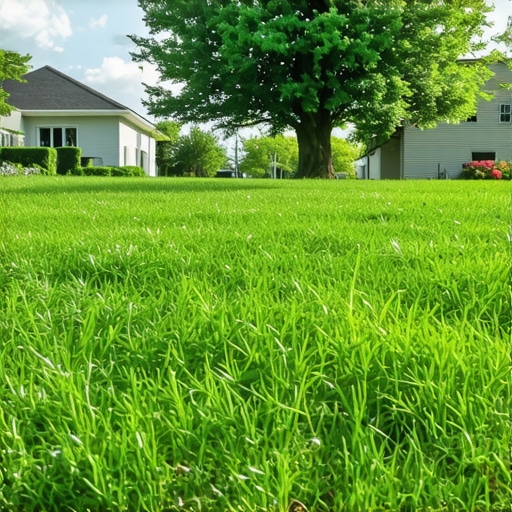
The smell of WD-40 and cold exhaust from a rattling Briggs & Stratton engine tells you everything you need to know about the Culpeper dirt. If your lawn looks like a mangy dog in the middle of August, it is because you are treating the soil like a finished product rather than a seized engine block that needs a complete teardown. Achieving a dense lawn in Culpeper by 2026 requires prioritizing mechanical aeration and heavy overseeding with heat-tolerant tall fescue between September 1st and October 15th to establish deep roots before the Piedmont clay hardens in the summer heat. Most people think they can just throw seed on top of dead grass and hope for the best, but that is like trying to fix a blown head gasket with duct tape. You need to get your hands dirty and understand the friction between the red Virginia clay and the blade of your mower.
The red clay prison
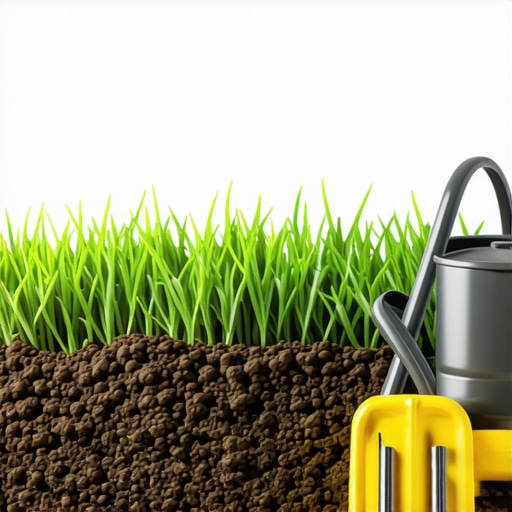
Culpeper soil is not your friend. It is a thick, oxygen-deprived slab of red clay that acts more like concrete than a growing medium. When you look at [landscaping culpeper va](https://eanddlandscapingllc.com/home) projects that actually succeed, they start with mechanical intervention. You have to break the surface tension. If the air cannot get to the roots, the grass suffocates. This is where thatching becomes the first step in the overhaul. Raking out the dead organic matter—that brown mat of old grass—is like clearing a clogged fuel line. It allows the new seed to actually touch the dirt. Without seed-to-soil contact, you are just feeding the local birds an expensive snack. I have seen guys spend hundreds on premium seed only to watch it wash away into the storm drains on Route 29 because they didn’t take the time to prep the site properly. Hardscapes might be permanent, but a living lawn is a machine that needs constant lubrication in the form of aeration.
[IMAGE_PLACEHOLDER]
The lie of the contractor seed mix
Walk into any big-box store near the 227 corridor and you will see bags of ‘Contractor Mix’ seed. That stuff is garbage. It is mostly annual ryegrass that looks green for two weeks and then dies the second the Virginia humidity spikes. For a lawn that survives until 2026, you need a high-end Turf Type Tall Fescue (TTTF) blend. These varieties are engineered for the ‘Transition Zone’—that lovely slice of the map where it is too cold for warm-season grass and too hot for cool-season grass. When you are performing [landscaping culpeper](https://eanddlandscapingllc.com/home), the choice of seed is the most significant variable in the equation. Look for labels that show 0.0% weed seed and no ‘Other Crop.’ If you see Kentucky 31 on the bag, put it back. That stuff belongs in a cow pasture, not your front yard. You want a blend that can handle the torque of a heavy mower without tearing at the root. Observations from the field reveal that the best-performing yards in Northern Virginia use a three-way blend of fescues to ensure genetic diversity against local fungus.
Why your mower height is killing the roots
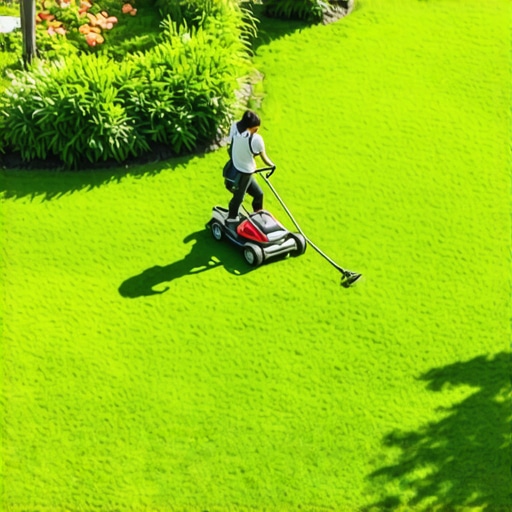
Most homeowners in Culpeper cut their grass like they are trimming a flat-top haircut in a barbershop. They set the deck too low. In this part of the country, mowing is about more than just aesthetics; it is about shade. When you cut your fescue shorter than three and a half inches, you expose the soil to direct sunlight. That sun bakes the moisture out of the clay and kills the microbial life. Keep the blades high. A taller grass blade acts like a radiator, cooling the ground and keeping the moisture where it belongs. Also, stop with the grass pickup. If you are bagging your clippings, you are throwing away free nitrogen. Those clippings break down and return nutrients to the cycle. It is the closest thing to a free lunch you will ever get in this town. Think of your mower as a precision tool, not a blunt instrument of destruction. A sharp blade is mandatory; a dull blade tears the grass, leaving a jagged edge that invites disease.
The September window for Piedmont survival
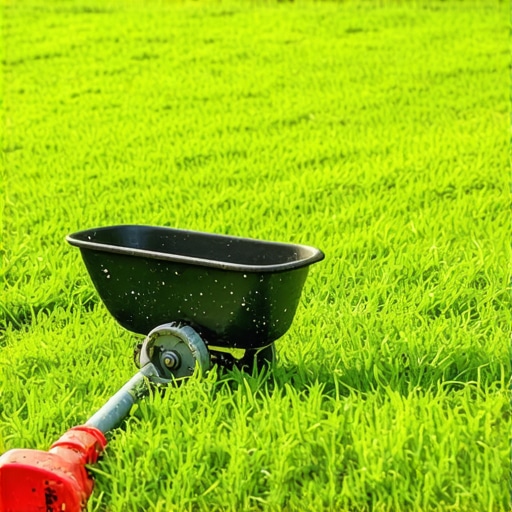
In Culpeper, the timing of grass seeding is everything. If you wait until the first frost, you have already lost the race. The soil temperature needs to be between 50 and 65 degrees for optimal germination. This usually happens while the kids are heading back to school and the humidity finally starts to break. If you miss this window, the roots won’t have enough time to dig deep before the ground freezes. A shallow root system in the winter leads to a scorched lawn in July. I always tell people to look at the local weeds. If the crabgrass is starting to turn purple and die off, it is time to get the spreader out. You are looking for that sweet spot where the nights are cool but the days are still warm enough to push growth. It is a narrow window, much like the timing on an old engine—get it wrong, and the whole thing misfires.
What happens when the rain stops on Route 29
The biggest failure point for any new lawn in Virginia is the ‘set it and forget it’ mentality. Once that seed is down, it needs a light misting twice a day until it is about two inches tall. You cannot rely on the afternoon thunderstorms that roll off the Blue Ridge. They are too unpredictable and often too violent, washing the seed into piles. You need a consistent, gentle soaking. Once the grass is established, switch to deep, infrequent watering. This forces the roots to go down into the clay looking for moisture. If you water every day for five minutes, the roots stay near the surface and get fried the first time the temperature hits ninety. This is a common point of friction for people moving here from further north. The Virginia sun is a different beast entirely. If you need a professional to handle the heavy lifting or set up an irrigation plan, you should [contact us](https://eanddlandscapingllc.com/contact-us) before the ground turns to stone again.
Frequently Asked Questions
Why is my grass turning brown despite regular watering? It is likely a combination of soil compaction and fungal pressure. In Culpeper, the red clay traps water on the surface, which, when combined with high heat, creates a ‘steaming’ effect that rots the roots of the fescue. Aeration is the only real fix.
Should I put straw over my new grass seed? Only if you like picking weeds later. Most straw contains seeds from the field it was harvested in. Use a clean peat moss or a dedicated starter mulch instead. It keeps the moisture in without the side effect of a hayfield growing in your front yard.
Can I seed in the spring? You can, but you are playing a losing game. Spring-seeded grass rarely has the root depth to survive a Virginia July. If you must seed in the spring, be prepared to water intensely through the entire summer.
How do I handle the moss growing in the shade? Moss grows where grass can’t. Usually, it is a sign of high acidity and too much shade. You need to liming the soil to balance the pH and prune back some of the lower branches of your trees to get more light to the ground.
Is thatching the same as aerating? No. Thatching removes the debris from the surface, while aerating pulls plugs of soil out to let the ground breathe. For the best 2026 lawn, you really need to do both. Stop looking for shortcuts and start treating your yard like the high-maintenance machine it is.
![Mowing Culpeper VA: 3 'Fat Packing' Hacks for 2026 Lawns [Tested]](https://lawnmajesty.com/wp-content/uploads/2026/03/Mowing-Culpeper-VA-3-Fat-Packing-Hacks-for-2026-Lawns-Tested.jpeg)