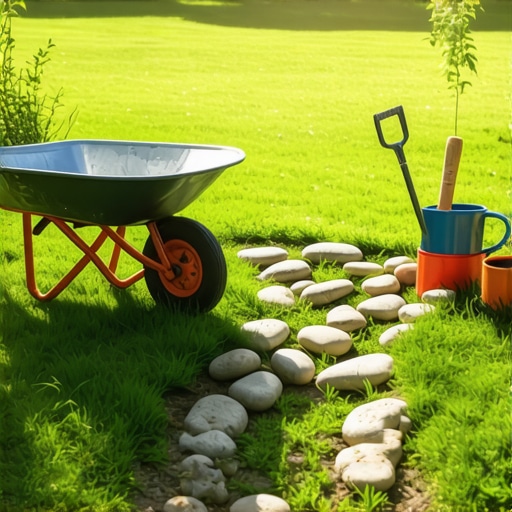
How to Build a Low-Maintenance River Rock Path for Under $300
Building a Permanent River Rock Path: Why Engineering Matters More Than Aesthetics
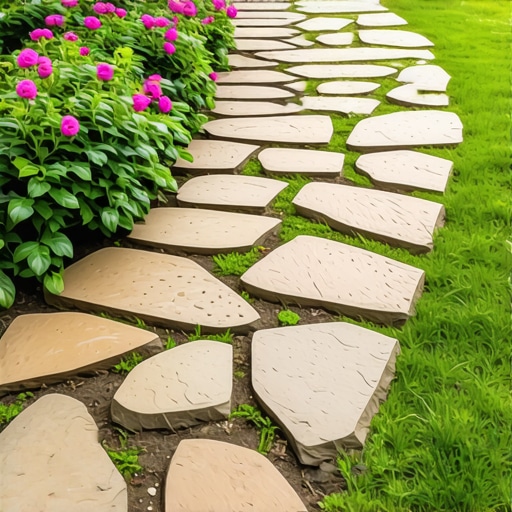
Building a low-maintenance river rock path for under $300 requires a shift from cosmetic garden design to civil engineering principles focused on drainage and soil compaction. By utilizing geotextile fabrics and angular base aggregates, you can create a path that resists weeds and shifting for decades. Most homeowners think they can just scrape away the grass and dump some stones down. That is a recipe for a muddy mess within two seasons. Professional hardscaping is about managing the invisible forces like hydrostatic pressure and soil migration. If you don’t respect the dirt, the dirt will reclaim your project. This guide focuses on the hardscaping fundamentals that turn a simple path into a permanent fixture of your property.
The Hardscape Autopsy: A Lesson in Base Failure
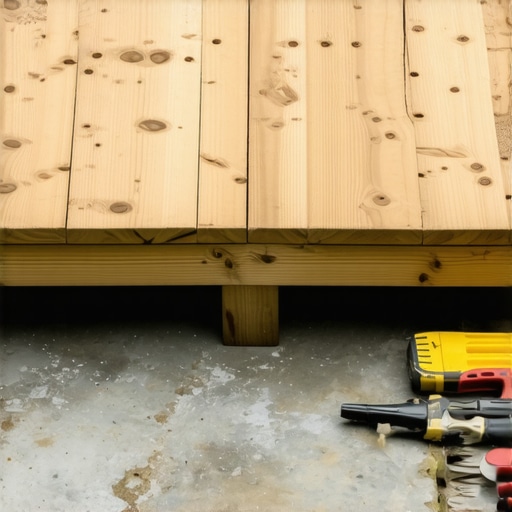
I recently got called out to tear up a $30,000 patio that was sinking because the previous contractor thought he could save a few bucks on the base layer. He used clean stone instead of a modified aggregate and skipped the geotextile fabric entirely. Within three years, the native clay soil had migrated up through the stones, filling the voids and causing the entire structure to heave during the first deep freeze. The pavers were literally popping out of the ground like loose teeth. It was a total failure of engineering, not aesthetics. When you build a river rock path, you are effectively building a mini-road. You need a structural base that can handle foot traffic and drainage simultaneously. If you ignore the subgrade, you are just throwing money into a hole. This project might only cost you $300 in materials, but if you do it wrong, you’ll spend twice that in labor just to dig it out and start over. Professional work starts with a shovel and a clear understanding of what lies beneath the surface.
“A retaining wall doesn’t fail because of the stone; it fails because of the water trapped behind it.” – Hardscape Engineering Axiom
The Science of Soil and Drainage for Garden Design
Designing a path involves understanding the permeability of your site and how surface runoff interacts with your chosen materials. To ensure a low-maintenance result, you must address the soil pH and weed seed bank before the first stone is laid. A path is not just a walking surface; it is a drainage channel. If your yard has heavy clay, water will sit in your excavation trench like a bathtub. This softens the subgrade and leads to “pumping,” where the stones are pushed down into the mud. You must ensure the path is graded at a 1% to 2% slope away from any structures. This forces water to move laterally through the rock layer rather than vertically into the subgrade. We use 1-inch to 3-inch river rock because the large voids between the stones allow for massive water infiltration rates. However, those same voids are where weeds want to grow. That is why the physical barrier of a high-quality fabric is non-negotiable. Don’t buy the thin, papery landscape fabric from a big-box store. You need a 4-ounce non-woven geotextile that allows water through but keeps the soil and stone separated forever.
How much modified gravel do I need for a patio base?
To calculate the amount of modified gravel or crushed stone needed, multiply the square footage by the desired depth (usually 2-4 inches) and divide by 324 to get cubic yards. For a 20-foot path that is 3 feet wide (60 sq ft) with a 2-inch base, you need approximately 0.4 cubic yards of material. One cubic yard of 2A modified gravel weighs about 2,800 pounds. Most local quarries or landscape yards will sell you a half-yard for around $15 to $20 if you have a truck to haul it. If you buy bags at a retail store, you will pay triple that price. Always buy in bulk when doing hardscaping work. The cost of the material is low; the cost of the plastic bag and the logistics is what kills your budget. For this $300 project, your bulk materials should account for less than half the cost, leaving plenty for high-quality edging and fabric.
| 2A Modified Gravel | Sub-base Compaction | $25 / Ton | High |
| 1-3″ River Rock | Surface Layer | $45 / Ton | High |
| Non-Woven Geotextile | Separation Layer | $0.50 / Linear Ft | Essential |
| Aluminum Edging | Perimeter Containment | $2.50 / Linear Ft | High |
The Professional Installation Process: Step-by-Step
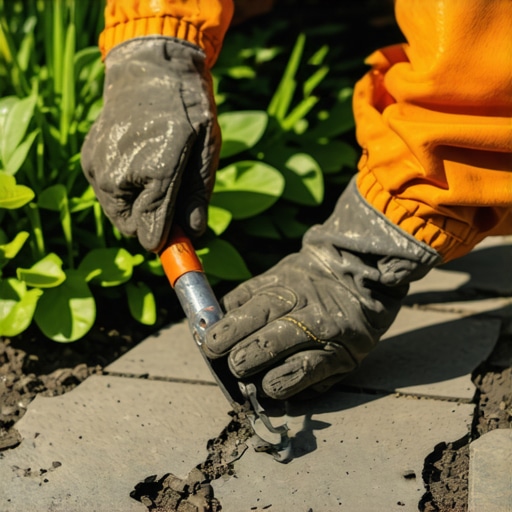
Proper landscaping requires precision in the excavation phase to ensure the path remains flush with the surrounding lawn care zones. Start by marking your path with a garden hose or marking paint. Use a flat-head shovel to cut the edges of your trench. You need to excavate at least 4 inches deep. This allows for 2 inches of compacted base and 2 inches of decorative river rock. Once excavated, you must compact the native soil. If the soil is loose, your path will settle unevenly. Use a hand tamper or a plate compactor. The soil should be firm enough that walking on it leaves no visible footprints. This is where the “thud” test comes in. When you hit the ground with a tamper, it should bounce back slightly with a solid sound. If it makes a dull ‘thud’ and sinks, you need to keep tamping. Next, lay your geotextile fabric. Overlap any seams by at least 12 inches. Pin the fabric down with 6-inch sod staples. This fabric is the only thing standing between your clean river rock and the muddy earth below. It is the most important $40 you will spend on this project.
What is the best material for a low maintenance walkway?
The best material for a low-maintenance walkway is a combination of angular crushed stone base and rounded river rock top dressing secured by professional-grade edging. Unlike mulch, which decomposes and requires yearly replacement, or pavers, which can shift and require re-sanding, river rock is permanent. It does not break down, it does not blow away, and it provides superior drainage. For the $300 budget, choosing a local stone like Delaware River Rock or a local limestone will keep costs down. Avoid imported stones or exotic pebbles. They look the same after a year of dirt and rain anyway. The secret to low maintenance isn’t just the stone; it’s the edging. Without a hard border, your grass will invade the rocks, and your rocks will migrate into the lawn, where they will eventually be launched by your lawnmower. Metal or heavy-duty plastic edging is a requirement, not an option.
“Soil compaction is the foundation of all successful hardscape projects; without it, gravity always wins.” – ICPI Installation Manual
- Excavation: Dig 4 inches deep and remove all organic material like roots and grass.
- Subgrade Prep: Compact the raw soil until it is rock hard.
- Fabric: Lay 4oz non-woven geotextile, extending it up the sides of the trench.
- Edging: Install aluminum or pro-grade plastic edging using 10-inch steel spikes.
- Base: Add 2 inches of 2A modified gravel, mist with water, and tamp until solid.
- Finish: Add 2 inches of clean, washed river rock and rake level.
Maintaining Your Hardscape Investment
Once the path is installed, the maintenance is minimal but critical to prevent lawn care issues from creeping in. Every autumn, use a leaf blower to clear organic debris from the rocks. If leaves are left to rot, they turn into compost, which provides a growing medium for weed seeds on top of your fabric. This is the only way weeds can grow in a properly built path. If you see a weed, it is likely growing in a small pocket of accumulated dust or leaf mold. Pull it immediately before its roots can penetrate the fabric. About once a year, you may need to spray a diluted vinegar solution or a pre-emergent to keep the path sterile. Avoid using heavy salts, as these can leach into the surrounding garden design and kill your ornamental plants. Remember, the path is a living part of the ecosystem. It will settle slightly in the first year. This is normal. If you notice a low spot, simply rake the river rock to redistribute the weight. Don’t add more stone until the base has fully stabilized through a full freeze-thaw cycle. A well-built path doesn’t just look good; it works for you by reducing the amount of mowing and weeding you have to do in the long run. Professional hardscaping is about doing the hard work once so you never have to do it again.