Stop 2026 Pond Algae with This Barley Hack
The Forensic Autopsy of a Toxic Pond
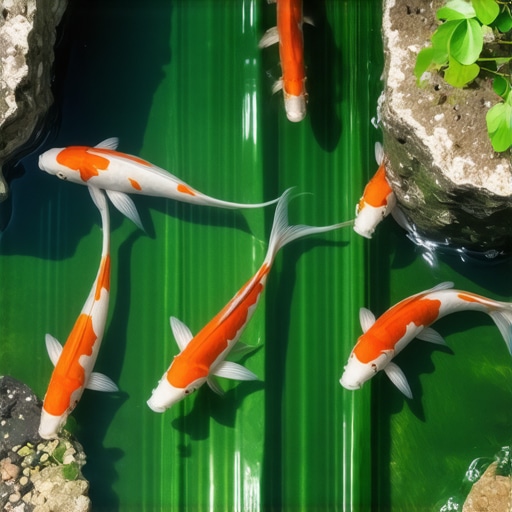
I recently stood at the edge of a property where the owner had spent five figures on a custom waterfall and pond, only to have it look like a vat of radioactive pea soup. This homeowner, desperate for a fix, had dumped three gallons of generic copper sulfate into the water. It was a chemical nightmare. Within forty-eight hours, every ornamental koi was floating on the surface, and the algae, rather than dying, turned into a rotting, anaerobic sludge that smelled like a sewer. They didn’t understand that algae isn’t the disease; it is the symptom of a broken nitrogen cycle and high phosphate levels. The biology of a pond is a delicate balance of dissolved oxygen, nitrate uptake, and microbial competition. When you nuked the system with copper, you killed the beneficial bacteria that actually process fish waste, leading to a massive ammonia spike. I had to tell them the hard truth: we had to pump the entire 5,000-gallon system, scrub the EPDM liner, and restart the biological filter from scratch. This is what happens when you prioritize quick fixes over horticultural engineering. Barley straw is the preventative solution for 2026 because it works with the water chemistry rather than against it, providing a slow-release enzymatic inhibitor that stops algae at the cellular level before it can bloom.
How Barley Straw Inhibits Algae Growth
Barley straw functions as a preventative measure rather than an active algaecide by releasing lignins and humic acids that, when oxidized by sunlight, produce low concentrations of hydrogen peroxide. This inhibits the growth of new algae cells without harming aquatic plants or teleost fish. It is biology, not magic. You are essentially creating a microscopic chemical factory inside your pond. As the barley decomposes, it requires oxygen. This is why you cannot simply throw a bale of straw into a stagnant corner. It will rot. It will go anaerobic. It will fail. You need aerobic decomposition. The lignin in the straw cell walls is the key. When lignin breaks down, it dissolves into the water. In the presence of sunlight and dissolved oxygen, these compounds undergo a photochemical reaction. This produces $H_2O_2$ at levels that are too low to hurt a trout but high enough to disrupt the reproductive cycle of unicellular algae. If you wait until the pond is already green, you are too late for barley. You must install it in early spring when water temperatures are between 40 and 50 degrees Fahrenheit.
“The use of barley straw for algae control is most effective as a preventative measure; it does not kill existing algae but prevents the growth of new cells through the slow release of chemical inhibitors.” – Penn State Extension: Pond Management Series
[image_placeholder_1]
The Engineering Checklist for Barley Straw Application
To implement this correctly, you must follow strict measurements based on your pond’s surface area, not just the volume. Here is the operational checklist for a successful 2026 season:
- Calculate Surface Area: Measure the length and width of your pond. You need roughly 0.025 pounds of barley straw per square foot of surface area.
- Ensure Aeration: Place the barley mesh bags near a waterfall or aerator. Oxygen is the fuel for the lignin-to-peroxide reaction.
- Check Buoyancy: The straw must float in the upper 12 inches of the water column. Sunlight is required for the photochemical process. Use a foam float if the bag starts to sink.
- Time the Degradation: Barley takes 4 to 6 weeks to become active. Start in March or April to see results by the June heatwave.
- Monitor the C:N Ratio: As the straw breaks down, it can tie up nitrogen. If your lilies look yellow, adjust your fertilization.
How much barley straw do I need for a 1000 gallon pond?
For a standard 1,000-gallon pond with approximately 100 square feet of surface area, you will need 2.5 pounds of barley straw distributed in two or three mesh bags. Avoid over-packing the bags; the straw needs interstitial water flow to decompose aerobically and release the necessary growth-inhibiting lignins effectively throughout the season.
When is the best time to put barley straw in a pond?
The optimal window for barley straw installation is early spring, specifically when water temperatures consistently reach 45 degrees Fahrenheit. This allows the bacterial colonization and subsequent enzymatic breakdown to reach peak efficiency before the summer solstice, which typically triggers the most aggressive algal blooms.
Comparing Algae Control Methods
| Method | Mechanism | Pros | Cons |
|---|---|---|---|
| Barley Straw | Enzymatic $H_2O_2$ | Safe, Organic, Cheap | Slow start, Preventative only |
| UV Clarifier | DNA Disruption | Instant clarity, No chemicals | High electricity cost, Bulb replacement |
| Copper Algaecide | Cellular Toxicity | Kills algae in 24 hours | Toxic to fish/inverts, Rebound blooms |
| Phosphate Binders | Nutrient Starvation | Targets the root cause | Can be expensive for large ponds |
Hydrostatic Pressure and Pond Integrity
Landscaping isn’t just about the water; it is about the structure holding it. I see too many guys build ponds without considering the hydrostatic pressure of the surrounding soil. When the water level in your pond drops during a summer drought, the pressure of the wet clay soil outside the liner can actually push inward, causing the bottom of your pond to