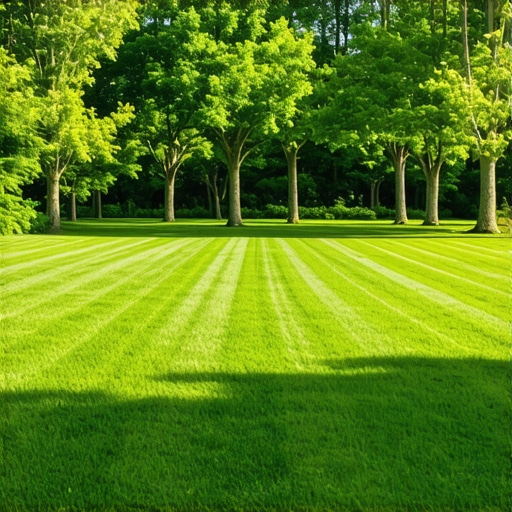
The quiet struggle beneath the silver maples
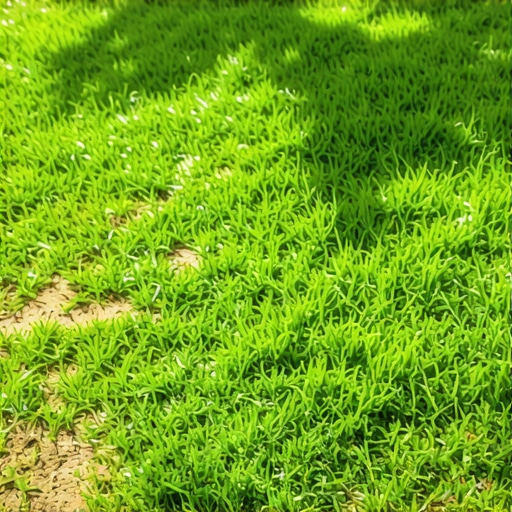
The air in Warrenton smells of damp earth and the sharp, clean scent of crushed pine needles after a morning rain. You stand in the shadow of a century-old oak near Culpeper Street, watching the light filter through a heavy canopy that refuses to let the sun touch the ground. Your feet sink slightly into the soft, mossy patches where grass used to thrive. It is a slow, rhythmic cycle of decay that many homeowners mistake for a simple lack of fertilizer. The Editor’s Take: Success in 2026 requires moving away from brute-force planting toward a biological partnership with the shade. Stop fighting the trees and start feeding the soil’s hidden architecture.
The shadow economy of the root zone
Grass is a solar-powered machine that requires a specific tally of photons to manufacture its own life. When we talk about shade spots in the Piedmont region, we are really talking about a deficit in energy production. High-performance sod varieties like those used by Landscaping services in Warrenton VA are engineered for high metabolic rates. In the deep shadows of a North Hill estate, that metabolism stalls. The plant enters a state of respiratory distress, consuming its own carbohydrate reserves faster than it can produce them. Soil temperature also plays a role. Beneath a dense canopy, the ground remains several degrees cooler, delaying the spring wake-up call and leaving the turf vulnerable to early fungal pressures that thrive in the damp, stagnant air of Virginia summers. It is not just about light. It is about the physical competition for water. Those massive trees are hydraulic pumps, pulling hundreds of gallons from the clay every day, leaving the shallow-rooted sod gasping for a drink even after a thunderstorm.
Fauquier clay and the drainage trap
Warrenton sits on a base of heavy, stubborn clay that holds onto moisture like a grudge. When you lay new sod under a canopy, you are often creating a ‘bathtub effect.’ The tree roots have already compacted the subsoil into a dense, anaerobic brick. New sod is laid on top with a thin layer of organic matter, and the first heavy rain turns the area into a swamp. In 2026, the local shift is toward aggressive aeration and the introduction of calcined clay or expanded shale to break that surface tension. Observations from the field reveal that properties near the Route 29 corridor suffer most from this compaction, likely due to historical grading patterns that favored runoff over infiltration. If your Sod installation Warrenton VA project does not involve deep-soil fracturing, you are simply laying a green carpet over a grave. The local ecosystem demands a path for oxygen to reach the roots, or the grass will suffocate before the first frost.
Why the big box seed mixes fail the test
Most people buy a bag labeled ‘Sun and Shade’ and assume the problem is solved. It is a lie. Those mixes often contain high percentages of annual ryegrass, which grows fast, looks great for three weeks, and then dies the moment the humidity hits 90 percent in July. The reality is messier. To survive the Warrenton shade, you need a specific blend of hard fescues or the newer, shade-tolerant Zoysia cultivars that can handle the low-light stress without stretching into thin, leggy stalks. The stretching is a panic response. The grass is trying to reach for a sun it will never find, exhausting its energy until the blades become paper-thin and translucent. Professional Lawn care services Warrenton VA know that the secret isn’t just the species, but the height of the cut. Mowing shade-stressed grass at the same height as your sun-drenched front yard is a death sentence. You must leave the blades long, providing more surface area for what little photosynthesis can occur. It is about patience, not precision.
The 2026 reality for the Piedmont yard
The old ways of heavy nitrogen loading in the spring are fading. In 2026, we see that excessive nitrogen in shaded areas leads to succulent, weak growth that pathogens find delicious. Instead, a focus on potassium and micronutrients strengthens the cell walls.
Can I grow grass under a black walnut tree?
It is difficult. Black walnuts produce juglone, a natural herbicide. You need to focus on constant leaf removal and specific soil neutralizing agents.
How much light is the absolute minimum?
Most ‘shade tolerant’ sod still needs four hours of filtered sunlight. If you have less, you are better off with Tree and shrub planting Warrenton VA that actually enjoys the dark.
Will mulching help my shade grass?
No. Mulch is for beds. For grass, Mulching services Warrenton VA should be kept to the perimeter. Over-mulching near sod can lead to crown rot in low-light areas.
When is the best time to fix these spots?
Late August or September. The soil is warm, but the cooling air reduces the fungal pressure that destroys new shade sod.
Why does my sod look like it is melting?
That is likely Pythium blight. In shaded, poorly drained Warrenton clay, the lack of airflow keeps the grass wet too long. Improve the air movement or reduce evening watering immediately.
A future where the green stays deep
The garden does not belong to us; we are merely its temporary stewards. Achieving a lush, green carpet under the sprawling limbs of a Warrenton manor requires a surrender to the natural rhythms of the Piedmont. It requires looking at the dirt, feeling the grit of the clay, and understanding that the trees were here first. When you stop fighting the shadows and start working with the biology of the root zone, the results are transformative. If you are ready to stop guessing and start growing, reach out to the experts at Reliable Lawn Care to restore the balance of your estate today.
![3 Signs Your 2026 Culpeper VA Lawn Needs Thatching [Test]](https://lawnmajesty.com/wp-content/uploads/2026/04/3-Signs-Your-2026-Culpeper-VA-Lawn-Needs-Thatching-Test.jpeg)