The red clay tax and your 2026 horizon
The smell of linseed oil and old varnish lingers on my palms as I look out over the Piedmont. To a restorer, a lawn is much like a 19th-century mahogany table; if the foundation is rotting, the wax on top is just a lie. In Culpeper, we deal with a brutal reality of heavy red clay and a transition zone climate that kills the unprepared. Most homeowners want a green fix by Tuesday, but a carpet-thick lawn for 2026 requires the patience of a craftsman. Editor’s Take: Stop chasing seasonal miracles. Real turf density in Northern Virginia comes from aggressive soil remediation and timing the autumn window with surgical precision.
Why metal tines beat chemical shortcuts
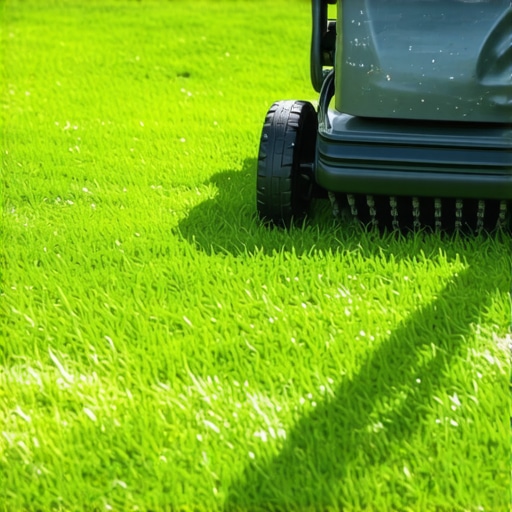
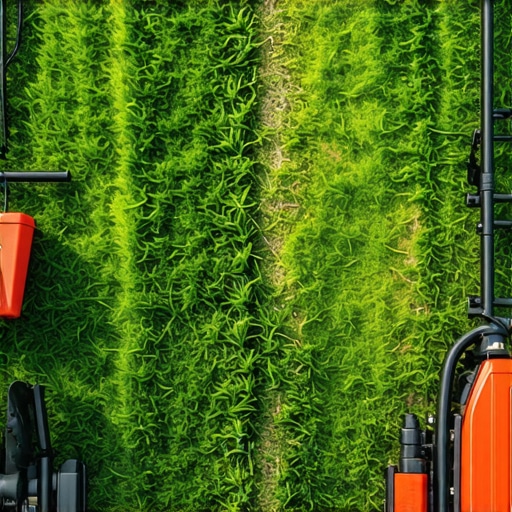
In my workshop, we never paint over a crack. You strip it back. The same applies to landscaping culpeper. If your yard feels like a sponge or looks like a patchwork quilt, thatching is the first tool in the box. Thatch is that layer of organic debris that chokes out oxygen. While some neighbors swear by liquid aerators, nothing replaces the mechanical pull of a power rake. When you remove that dead layer, you allow the seed to actually touch the earth. This is where grass seeding becomes a science rather than a prayer. In places like the South Ridge neighborhood, we see lawns that have built up three inches of dead material. You have to clear the deck before you build the masterpiece. Effective grass pickup after a heavy dethatching session ensures your new Fescue or Bluegrass isn’t just sitting on a bed of old straw.
Living with the Blue Ridge shadow
Culpeper exists in a strange pocket of the Commonwealth. We get the humidity of the Tidewater and the sudden frost of the mountains. A local landscaper knows that the soil here is essentially bricks waiting to happen. To fix this, you need more than a bag of seed; you need a soil test from the Virginia Tech Extension office. If your pH is sitting at 5.5, you might as well throw your money into the Rappahannock. We see better results when homeowners integrate landscaping culpeper va strategies that account for our specific drainage patterns. Whether you are near the downtown historic district or out toward Stevensburg, the compaction from our summer heat creates a barrier that only deep-core aeration can break. It is about creating a habitat, not just a surface.
[image-placeholder]
Where the hardware store bag fails you
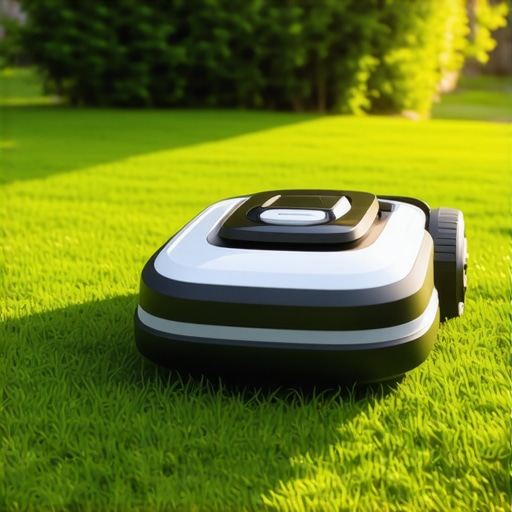
I despise cheap plastic tools that snap on the first use. The same goes for the ‘all-in-one’ seed mixes sold at big-box retailers. Those bags are often packed with filler and annual ryegrass that looks great for three weeks and then dies the moment a Culpeper July hits. For a 2026 lawn, you want ‘Certified’ seed. Look for the blue tag. This ensures you aren’t importing weeds that will ruin your hardscapes or flower beds. Professional mowing isn’t just about height; it is about the sharpness of the blade. A dull blade shreds the grass, leaving a jagged edge that invites brown patch fungus. It is a slow decay that most people ignore until the yard is a sea of straw. You have to treat the blade with the same respect I give a fine-tooth saw.
Old school grit meets modern turf biology
The ‘Old Guard’ methods of just dumping lime every spring are over. We are moving toward a reality where micro-clovers and high-efficiency fescues dominate. Why struggle with a lawn that hates the local climate? If you have areas that refuse to grow, stop fighting nature. Sometimes the best landscaping fix is a well-placed stone path or a mulch bed. What is the best time to seed in Culpeper? Mid-September to mid-October is the golden window. Does thatching hurt the existing grass? It looks like a battlefield for a week, then it explodes with life. Why is my grass yellow despite watering? Likely nitrogen lockout or poor drainage in our clay. How short should I mow? Never take more than a third of the leaf blade. Is grass pickup necessary? If you have a fungal history, yes; otherwise, mulch it back in for nutrients. What about shade? Fine fescues are your only hope under those old oaks on East Davis Street.
The finish line is green
Building a lawn that survives into 2026 isn’t about the frantic effort of a single weekend. It is about the rhythm of the seasons and the quality of the materials. If you want a yard that feels like velvet underfoot and holds its color when the Virginia sun tries to bake it, you have to do the work now. For those who value their time or simply want the job done with professional precision, reaching out to experts who know the Culpeper dirt is the final step. contact us today to turn that clay into a masterpiece.