4 Fire-Safe 2026 Landscaping Rules for Dry Climates
The Engineering of Survival: Planning for the 2026 Fire Standard
Effective fire-safe landscaping for 2026 requires a shift from aesthetic gardening to tactical land management focusing on defensible space and non-combustible hardscaping. You must prioritize the zero-ignition zone and manage vertical fuel ladders to prevent radiant heat from compromising your home structure.
I always drill into my new crew members: if you don’t fix the soil grading and fuel continuity first, every plant you put in the ground is just expensive kindling. Last summer, I stood on a ridge in a dry-climate canyon and watched a $50,000 landscape go up in seconds. Not because of a lack of water, but because the contractor used resinous mulch right up to the foundation. That is a death sentence for a house. We do things differently now. We build for the ember storm, not just the view. If you think a green lawn is a firebreak, you are wrong. A dry lawn under high-wind conditions is a fuse. We are moving toward a standard where every square inch of the property is evaluated for its ignition potential and its ability to dissipate heat. This is not about cutting grass; it is about civil engineering with a botanical component.
Rule 1: Hardscaping the Zero-Ignition Zone (0-5 Feet)
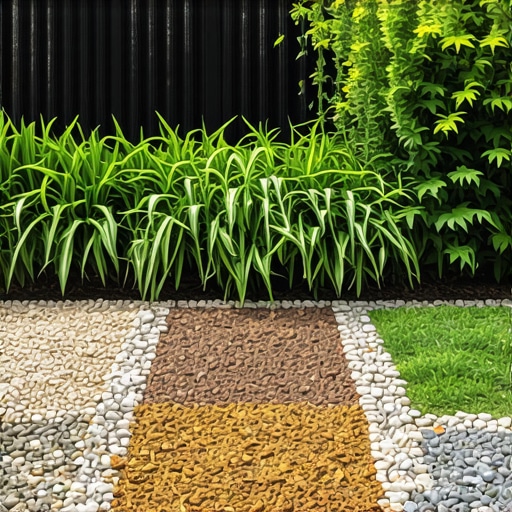
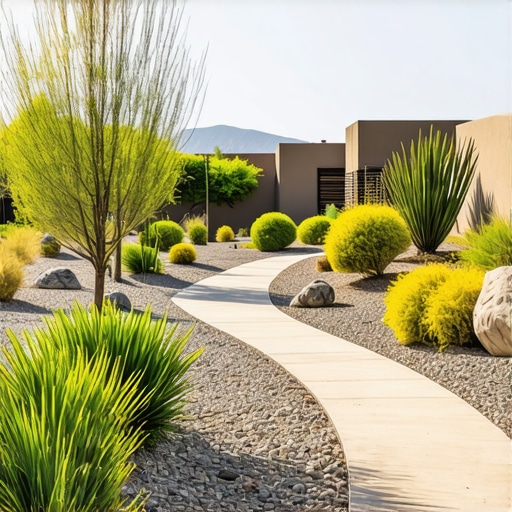
The Zero-Ignition Zone is the most critical five-foot perimeter around any structure where you must eliminate all combustible materials including mulch, woody plants, and wooden fencing. Replacing these with decomposed granite, river rock, or concrete pavers creates a permanent break that prevents embers from igniting the building.
In this zone, we do not negotiate. No wood chips. No bark. No ‘fire-resistant’ shrubs. You use inorganic materials. We install 3/4-inch crushed basalt or decorative river stone over a heavy-duty geotextile fabric. This is not just for looks; it prevents weed growth that would otherwise become dry fuel. If you have a wooden deck, that is your primary vulnerability. By 2026 standards, we are retrofitting these with non-combustible footings and gravel underlays to prevent leaf litter accumulation. It must be clean.
“The first five feet around a home should be entirely non-combustible to prevent ember ignition of the structure’s siding and eaves.” – NFPA Firewise USA Standards
How do I create a defensible space without losing curb appeal?
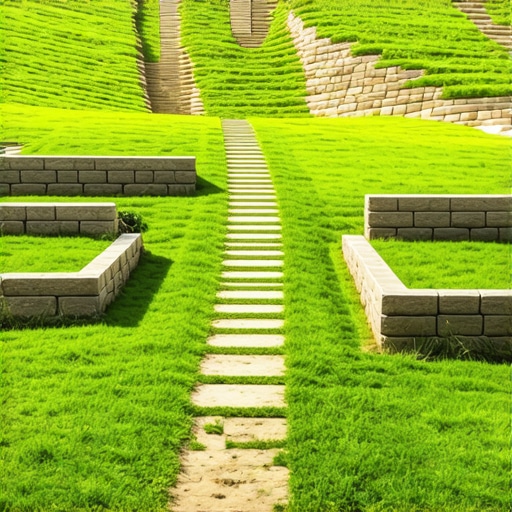
Curb appeal in dry climates is achieved through the architectural use of hardscaping such as multi-tonal stone, steel edging, and strategic placement of high-moisture succulents. Use boulders to create visual height instead of tall, flammable grasses. Properly installed pavers and stone paths provide structural lines that define the garden while acting as functional firebreaks. It looks intentional, not barren.
Rule 2: Eliminating Vertical and Horizontal Fuel Ladders
Managing fuel continuity involves spacing plants both horizontally and vertically to ensure that a fire crawling along the ground cannot climb into the tree canopy. This requires maintaining a minimum 10-foot clearance between tree crowns and removing all branches within 6 to 10 feet of the ground.
Think of fire as a liquid that flows upward. If you have a low-growing shrub sitting directly under a pine tree, you have built a ladder. We use the 3-times rule: the gap between the top of a shrub and the lowest branch of a tree must be at least three times the height of the shrub. If that shrub is 2 feet tall, you need 6 feet of clear air. Horizontal spacing is just as vital. On a flat grade, you want 10 feet between shrubs. On a 20 percent slope, you double that. Fire moves faster uphill. It pre-heats the fuel ahead of it. Don’t give it a path. Pruning is not a suggestion; it is a structural requirement. Clean the deadwood. Every dead twig is a calorie of energy for the front.
| Vegetation Type | Horizontal Spacing (Flat Ground) | Vertical Clearance (Ladder Fuel) |
|---|---|---|
| Shrubs | 2x the height of the shrub | 3x the height of the shrub |
| Trees (Low Slope) | 10 feet between crowns | 6 to 10 feet from ground |
| Trees (High Slope) | 30 feet between crowns | 12 feet from ground |
Rule 3: Engineered Irrigation and Soil Hygroscopicity
Modern dry-climate lawn care and plant maintenance must utilize sub-surface drip irrigation and soil amendments that increase hygroscopicity to maintain plant turgor pressure during heat waves. High-pressure spray heads are inefficient because they lose 30-50 percent of water to evaporation before it hits the root zone.
While the internet tells you to water every day, turf grass actually needs deep, infrequent watering, exactly 1 inch per week, to force roots to chase the water down. This makes the plant resilient. In a fire event, a hydrated plant is much harder to ignite than a wilted one. We install pressure-compensating drip emitters buried 4 inches deep. This prevents the water from evaporating and keeps the surface dry, which discourages weed germination. We also test soil pH and organic matter levels. If your soil is depleted, it cannot hold water. We use calcined clay or expanded shale to open up heavy soils and increase the water-holding capacity at the root level.
“Maintaining high leaf moisture content through targeted irrigation is a primary factor in reducing the ignitability of ornamental vegetation.” – Texas A&M AgriLife Extension
What plants are most fire-resistant for dry climates?
The best fire-resistant plants are those with high moisture content, low resin or oil levels, and minimal litter production, such as Agave, Aloe, and certain deciduous hardwoods like Maples. Avoid ‘oily’ plants like Juniper, Eucalyptus, or Italian Cypress. These are essentially vertical torches. Always check your USDA hardiness zone before selecting species, but prioritize succulents and thick-leaved shrubs that store water in their tissue.
Rule 4: Material Selection and Heat Resistance
Choosing fire-safe landscaping materials means selecting items with high thermal mass and Class A fire ratings, such as concrete, brick, and natural stone, while avoiding composite decking with high plastic content. The goal is to minimize the heat flux directed toward the home’s windows and siding during a passing fire front.
Every material has a breaking point. A wooden fence attached to a house is a fuse. We are now installing ‘buffer sections’ where the last 5 feet of a fence are made of wrought iron or masonry. This stops the fire from following the fence line to the house. When we build retaining walls, we don’t just stack stones. We use a modified gravel base, screed pipes for leveling, and ensure proper drainage to prevent hydrostatic pressure. A collapsed wall creates a debris pile that can trap heat and fuel. We use polymeric sand in paver joints to prevent weed growth and maintain the integrity of the firebreak. It is about precision. Every joint must be tight. No gaps for embers to hide in.
- Remove all leaf litter from gutters and under decks weekly.
- Mow dry grass to a height of 4 inches or less.
- Thin out overgrown thickets to reduce total biomass.
- Replace wood mulch with stone or gravel within 5 feet of walls.
- Inspect irrigation lines for leaks to ensure plant hydration.
Fire safety is a continuous process of maintenance. It is not a ‘set and forget’ project. If you let the weeds grow back in your gravel zones, you have failed. If you let your trees grow into each other, you have created a hazard. Stay on top of it. Your property depends on it.