Stop 2026 Nitrogen Loss: Why You Need Clover Lawns
The Chemical Nightmare: When Fertilizer Becomes Poison
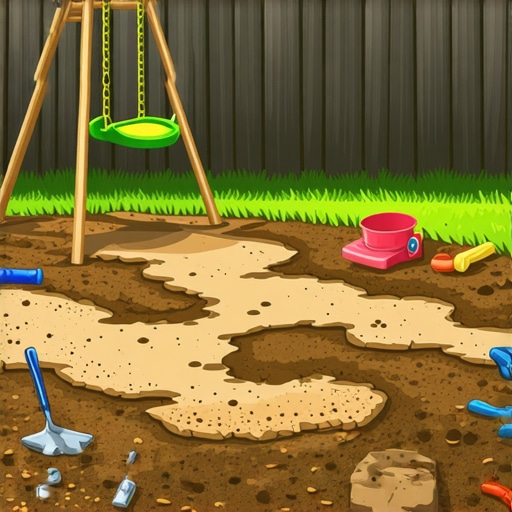
Nitrogen loss in residential lawns occurs when synthetic nitrates leach through the soil profile faster than roots can upcycle them. By 2026, many soil structures will be biologically sterile from over-fertilization, making clover lawns essential for natural nitrogen fixation and long-term soil health. I remember a call last July. A homeowner in a high-end zip code called me because his front lawn looked like a blast zone. He had applied a triple-dose of high-nitrogen ‘turf builder’ during a heatwave. The salt index in that specific synthetic blend was so high it literally pulled the moisture out of the grass blades through osmosis. He didn’t just burn the grass. He nuked the soil microbiology. The earth smelled like a chemical plant, not a garden. We had to excavate three inches of topsoil just to get anything to grow again. This is the ‘mow-and-blow’ trap. You keep adding NPK, but the soil keeps getting thirstier and weaker. It is a cycle of failure. Stop it now.
The Forensic Autopsy of a Dying Lawn
Your lawn is likely starving despite your best efforts. When I walk onto a site, I look for the tell-tale signs: pale yellowing at the base of the blade, thinning turf, and soil that feels like concrete under my boots. This is nitrogen deficiency coupled with poor soil structure. Synthetic fertilizers provide a quick hit of green, but they do nothing for the soil’s cation exchange capacity. Most of that expensive nitrogen washes into the storm drains before the grass can even ‘see’ it. It is waste. It is expensive. It is killing your curb appeal.
“Nitrogen is the most limiting nutrient for turfgrass growth, yet over-application leads to environmental degradation through runoff and leaching into groundwater supplies.” – Texas A&M Agrilife Extension
How much modified gravel do I need for a patio base?
While discussing landscaping, homeowners often ask about hardscape foundations. For a standard patio, you need a minimum of 4 to 6 inches of compacted 21A or 3/4-inch modified gravel. This base prevents settling and ensures drainage, which is critical if you are integrating living elements like clover nearby. Don’t skimp on the tamper. The base must be solid.
The Biological Solution: Why Clover is the Engineering Answer
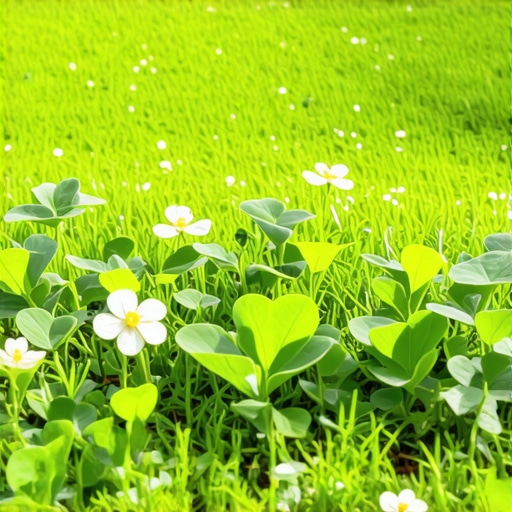
Clover is not a weed. It is a nitrogen factory. Specifically, Trifolium repens or White Dutch Clover, acts as a biological engine. It pulls nitrogen gas from the air and converts it into a plant-available form through a process called nitrogen fixation. This happens in the root nodules via a symbiotic relationship with Rhizobium bacteria. It is free fertilizer. It works 24/7. It does not wash away in the rain. When you mow clover, the clippings break down almost instantly, releasing that stored nitrogen back into the soil for your grass to feast on. It is a closed-loop system.
Will clover choke out my grass?
No, clover and grass are perfect partners. In a mixed lawn, clover fills the gaps that turf grass leaves behind. It provides a dense canopy that shades the soil, reducing evaporation and preventing weed seeds like crabgrass from germinating. Clover is more drought-tolerant than Kentucky Bluegrass because its taproot reaches deeper into the subsoil. It stays green when the grass goes dormant. It is resilient. It is smart.
| Feature | Synthetic Nitrogen Program | Clover Integration (Microclover) |
|---|---|---|
| Nitrogen Source | Petroleum-based chemical salts | Atmospheric biological fixation |
| Soil Health | Increases salinity, kills worms | Improves structure, feeds microbes |
| Water Requirement | High (to prevent salt burn) | Low (deep taproot system) |
| Cost Over 5 Years | $1,500 – $3,000 (Materials + Labor) | $200 – $400 (One-time seeding) |
| Pollinator Impact | Toxic or Neutral | Highly Beneficial |
The Step-by-Step Remediation: How to Overseed for 2026
To fix a failing lawn, you must change the protocol. First, core aerate. I want to see 3-inch plugs pulled every 4 to 6 inches. This relieves compaction and creates a direct path for the clover seed to hit the soil. Second, test your pH. Clover thrives in a pH range of 6.0 to 7.0. If you are too acidic, the bacteria can’t do their job. Third, choose your seed. I recommend ‘Microclover’ for high-end landscapes. It is smaller, more aggressive, and blends better with turf than common white clover. It doesn’t clump. It looks uniform.
“Rhizobium bacteria form a symbiotic relationship with legume roots, converting N2 gas from the atmosphere into plant-available ammonium.” – USDA Natural Resources Conservation Service
The Clover Maintenance Checklist
- Mow high: Keep your deck at 3 to 3.5 inches to allow clover to shade the soil.
- Stop the broadleaf herbicides: These chemicals will kill your clover instantly.
- Water deeply: One inch of water per week, applied in a single morning session.
- Inoculate your seed: Ensure your clover seed is pre-coated with Rhizobia bacteria.
- Monitor the color: If the lawn turns dark green, the nitrogen fixation is working.
Engineering the Hardscape-Lawn Interface
In my firm, we always consider how the lawn interacts with the hardscape. When we install a paver walkway, we use a 1-inch bedding layer of sand over the gravel base. If you have clover right up to that edge, its roots help stabilize the soil against the pavers. This reduces the risk of edge-settling. Clover also handles the heat radiating off a stone patio much better than fescue. It won’t brown out against the thermal mass of the stone. It is a heat shield. It protects your investment.
The Long-Term Forecast: Soil Health Over Chemicals
By 2026, the cost of synthetic fertilizers is projected to climb as natural gas prices fluctuate. Relying on a bag of chemicals is a bad business model for your home. Transitioning to a clover-rich lawn is an engineering decision. It reduces maintenance hours. It cuts your water bill. It builds soil tilth. Don’t listen to the salesman at the big-box store. He wants to sell you a bag every six weeks. I want to build you a lawn that feeds itself. Trust the biology. Trust the dirt. It never lies.