How to Clean and Reseal Concrete Pavers Like a Pro
The Anatomy of a Failing Paver Surface
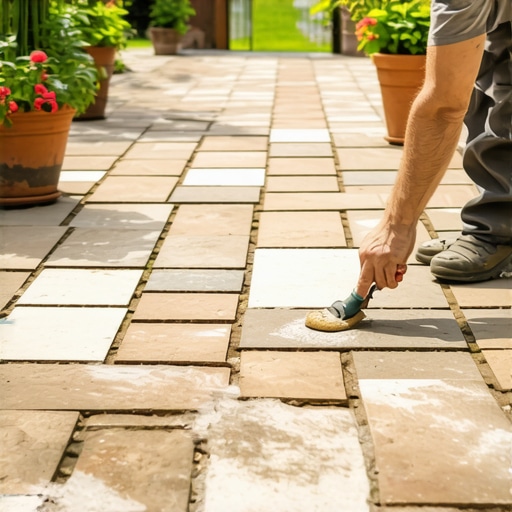
Professional paver restoration involves deep-cleaning porous concrete, removing efflorescence, and applying high-solid sealers to stabilize polymeric sand joints. Neglecting these steps leads to heaving, weed intrusion, and structural degradation of the entire hardscape installation. Most homeowners wait too long, allowing water to penetrate the sub-base, which compromises the compaction and load-bearing capacity of the interlocking system.
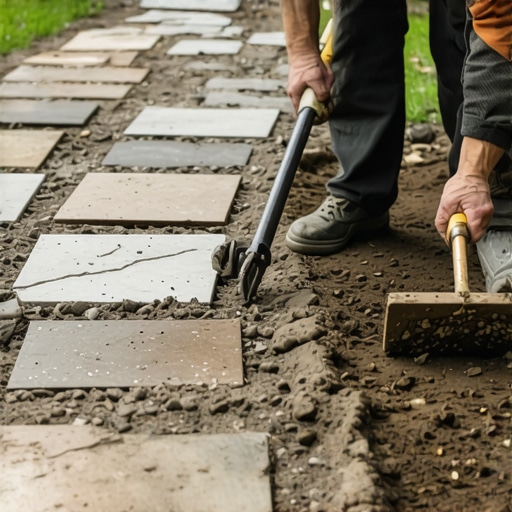
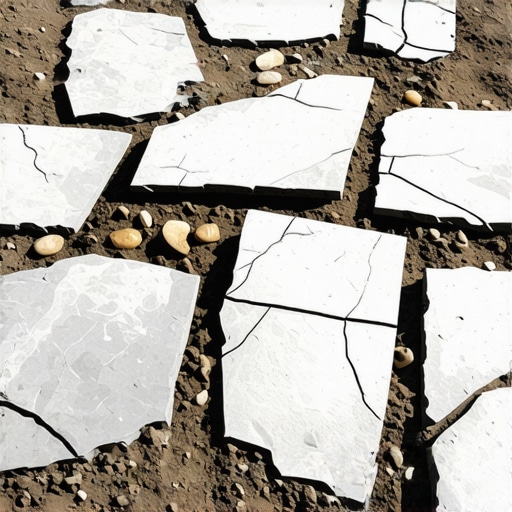
I recently got called out to tear up a $30,000 patio that was sinking because the previous contractor skipped the drainage and sealing basics. The client thought the pavers were just ‘settling,’ but a forensic look revealed that the polymeric sand had washed out years ago, allowing hydrostatic pressure to turn the bedding sand into a slurry. Every time it rained, the base layer eroded. By the time I arrived, the edge restraints had failed, and the whole hardscape was migrating toward the pool. This wasn’t a cosmetic issue; it was a structural failure caused by a lack of maintenance. If they had cleaned and resealed properly every three years, that patio would have lasted fifty. Instead, they had to pay me to excavate and start from scratch. It was a preventable disaster.
The Chemistry of Clean: Beyond the Pressure Washer
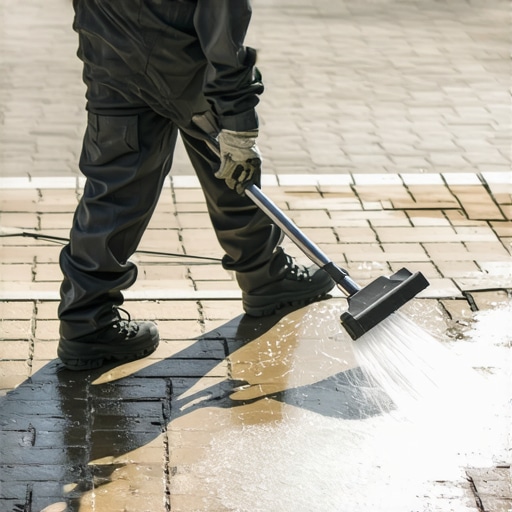
Cleaning pavers is not about raw power; it is about chemical surfactants and gallons per minute (GPM). Using a high-PSI tip too close to the surface will etch the concrete, exposing the aggregate and permanently ruining the finish. You need to understand the molecular bond of the stains you are fighting.
“Surface preparation is 90% of the restoration process. If you seal over dirt, organic growth, or efflorescence, you are essentially laminating a failure into your hardscape.” – ICPI Technical Manual
Efflorescence is the white, chalky powder that often appears on pavers. It is calcium hydroxide migrating to the surface and reacting with carbon dioxide. If you seal over it, you will have a permanent white haze. You must use a specialized acidic cleaner to neutralize the salts before any sealer touches the stone. For oil stains, don’t reach for the soap; you need a degreaser that can penetrate the 10% to 15% porosity of the concrete to lift the lipids out of the micro-capillaries.
How do you get oil stains out of pavers?
Removing oil requires a pH-balanced degreaser applied to a dry surface, allowed to emulsify for fifteen minutes, and then rinsed with hot water at low pressure. Heavily saturated spots may require a poultice treatment to draw out deep-seated petroleum before joint stabilization occurs.
[IMAGE_PLACEHOLDER]
Mechanical Preparation and Joint Stabilization
Once the chemicals have done the heavy lifting, you must address the jointing sand. The sand is the friction bridge that allows pavers to distribute weight. If the joints are empty, the pavers will pivot and crack. We use polymeric sand, which is a mix of graded sand and polymers that harden when activated by water.
| Sealer Type | Solids Content | Breathability | Longevity |
|---|---|---|---|
| Water-Based Film | 15-20% | High | 2-3 Years |
| Solvent-Based Acrylic | 25-30% | Low | 3-5 Years |
| Penetrating (Natural) | 5-10% | Excellent | 5-7 Years |
Do not just dump sand on the patio. The joints must be dry. You sweep the sand in, then use a vibratory plate compactor with a polyurethane mat to shake the sand to the bottom of the joint. This eliminates voids. Then, you blow off every single grain of dust from the surface. If you don’t, the polymers will create a haze on top of the pavers that is nearly impossible to remove without xylene.
“Water management is the primary failure point in hardscaping. A sealed joint prevents 95% of surface water from entering the sub-grade, preserving the integrity of the modified gravel base.” – Hardscape Engineering Axiom
The Science of Sealing: Solvent vs. Water-Based
The choice of sealer depends on the moisture vapor transmission rate of your soil. If you live in a high-moisture area with clay soil, a high-gloss solvent-based sealer might trap moisture underneath, leading to a milky bloom. This is delamination. For these environments, a breathable water-based sealer is the only logical choice. It allows the sub-surface to breathe while still providing a hydrophobic barrier on the top.
Can I use a pressure washer on concrete pavers?
You can use a pressure washer only if equipped with a surface cleaner attachment and a pressure regulator set below 2,500 PSI. Direct wand tips will gouge the cementitious matrix, leading to premature wear and color loss in the hardscape design.
- The 24-Hour Dry Rule: Never seal if the pavers have been wet within the last 24 hours. Moisture in the joints will cause the sealer to fail instantly.
- Ambient Temperature: Apply only between 50°F and 85°F. Too hot, and the sealer flash-dries, creating bubbles.
- Application Method: Use a high-volume, low-pressure (HVLP) sprayer. Rolling is for amateurs and causes pooling in the joints.
- The Over-Application Trap: Two thin coats are always superior to one thick coat. Thick coats peel.
Professional grade sealers often contain UV inhibitors. Without these, the iron oxide pigments in your pavers will fade under the sun. You aren’t just making it look ‘wet’; you are installing a chemical shield against oxidation and acid rain. If you see someone using a cheap sealer from a big-box store, run. Those products are low-solid junk that will turn yellow in six months. Buy from a contractor-grade supplier. The cost is triple, but the protection is tenfold.
How long do I wait to seal new pavers?
Wait at least 60 to 90 days before sealing new hardscape installs to allow efflorescence to naturally work its way out of the concrete. Sealing too early traps salts and moisture, leading to a cloudy finish and bond failure.
![Build a $200 2026 Gravel Path with Brick Edging [Quick DIY]](https://lawnmajesty.com/wp-content/uploads/2026/07/Build-a-200-2026-Gravel-Path-with-Brick-Edging-Quick-DIY.jpeg)