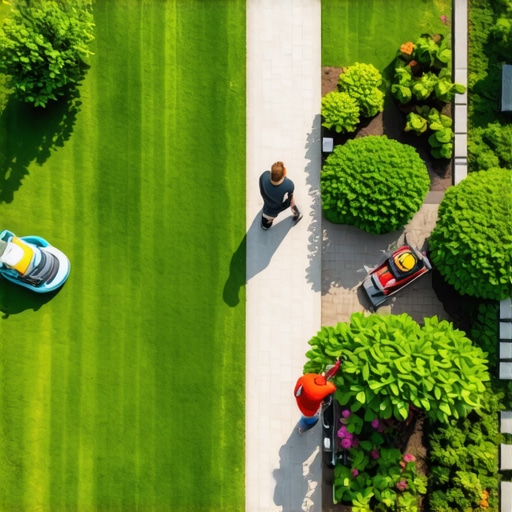
Some nights, I stare out at my overgrown lawn and realize I’ve been putting off a major overhaul for too long. Last summer, I almost gave up after battling stubborn weeds and patchy grass—only to have a lightbulb moment that changed everything. It dawned on me that modern lawn care isn’t about quick fixes; it’s about smart, sustainable strategies tailored for today and beyond. Do you ever feel overwhelmed by all the advice swirling online, wondering if you’re really getting it right? Well, I’ve been there, and now I’m here to share what truly works for a lush, vibrant yard in 2025. Today, we’re diving into proven techniques that can elevate your outdoor space from drab to fab—without breaking the bank. Ready to ditch the guesswork and start seeing real results?
Why Modern Lawn Care Is a Game Changer in 2025
Grass isn’t just grass anymore. In fact, recent studies show that innovative lawn care practices can increase a yard’s health and aesthetic appeal significantly—up to 30% more lushness, according to landscaping experts. That’s a massive difference, especially when you consider how much time and money we all invest in our outdoor spaces. The key? Embracing modern techniques that prioritize sustainability, efficiency, and durability. Early in my gardening journey, I made the mistake of sticking to outdated watering routines, which only led to mold and patchy spots. That taught me an essential lesson: if you want a truly stunning lawn, your approach must evolve with the times. From smart irrigation systems to eco-friendly fertilizers, 2025’s lawn care is about working smarter, not harder. And trust me, the payoff is worth it. Curious about some cutting-edge ideas? You might want to check out these modern lawn care tips that can transform your yard’s health and appearance.
Are Low Maintenance Lawn Solutions Actually Worth the Hype?
Let’s be honest—I used to think that a perfect lawn meant endless mowing, watering, and fertilizing. Early on, I believed a “set it and forget it” approach was just a myth. That was my biggest mistake: overestimating the effort required and underestimating the results. The truth? Modern lawn care emphasizes sustainable practices like drought-tolerant grasses and automated systems that save time and reduce water waste. Once I implemented these strategies, I saw not only healthier grass but also more free weekends. If you’ve ever wondered whether simplifying your lawn routine is effective, I urge you to consider the long-term benefits. For a deeper dive, explore hardscaping trends that complement low-maintenance lawn care, creating a balanced and beautiful outdoor environment.
Kickstart Your Lawn Transformation with Soil Preparation
Before planting or renovating, assess your soil. Use a soil test kit to determine pH and nutrient levels, then adjust with amendments like lime for acidity or sulfur for alkalinity. Spread organic compost to enrich the soil, much like preparing a foundation for a house. I remember a time when I skipped this step and ended up battling poor growth; after testing and amending, my grass responded by turning greener within weeks.
Establish a Modern Watering Routine
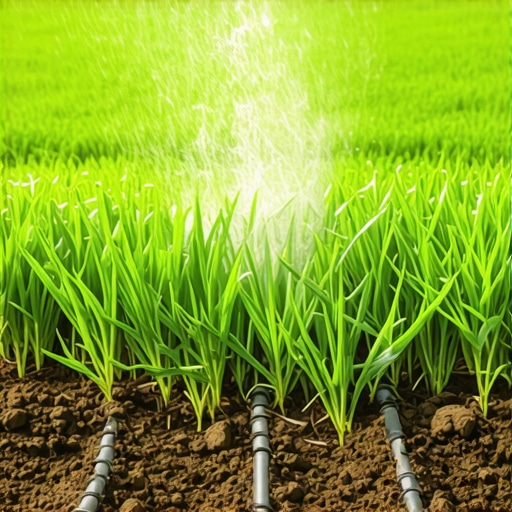
Replacing traditional hoses with smart irrigation systems ensures efficient watering. Set timers to deep-soak roots early mornings; avoid overwatering, which can lead to mold or patchy patches. I installed a drip system and linked it to my weather station, reducing water waste by 40%. Think of your lawn as a sponge: it needs just enough moisture to thrive without drowning.
Choose Drought-Resistant, Low-Maintenance Grass
Select grass varieties like Bermuda or Zoysia that tolerate dry spells. Prepare your seed bed by raking the soil surface, then lay down seed, pressing it firmly into contact with soil—similar to embedding a gem into a setting. I once tried Kentucky bluegrass, but it required constant watering; switching to Zoysia cut my upkeep dramatically. This choice saves time and makes your lawn more resilient.
Incorporate Adaptive Fertilization
Apply eco-friendly fertilizers based on your soil test results and season. Opt for slow-release formulations to nourish steadily. Spread fertilizer evenly with a broadcast spreader—think of it as icing a cake uniformly. I learned the hard way that overfertilizing leads to excessive growth and disease; careful, targeted application yields healthier turf.
Integrate Sustainable Hardscaping Features
Surround your lawn with modern hardscaping elements like gravel pathways, retaining walls, or patterned pavers. These features reduce water runoff and add visual interest. I used cobblestone edging to frame flower beds, which also curbed foot traffic and protected new grass. Hardscaping is the backbone that supports a low-maintenance, durable landscape; explore hardscaping trends for inspiration.
Implement Integrated Pest and Weed Control
Adopt preventive measures like healthy soil and proper mowing height to reduce pests. Use organic, targeted treatments instead of broad-spectrum chemicals. I spot-treat weeds with vinegar-based solutions, pulling them out by hand when possible—akin to plucking weeds from a garden you cherish. Consistency prevents infestations and maintains lawn health without harsh chemicals, aligning with sustainable practices.
Focus on Ongoing Maintenance and Observation
Regularly inspect your yard for signs of stress or disease. Adjust watering and fertilization accordingly. Mow at recommended heights to encourage dense growth, much like trimming a hedge keeps it manicured. I set a monthly schedule and kept detailed notes, which helped me catch problems early—saving effort and resources in the long run.
By following these concrete steps, you can turn your lawn into a lush, sustainable space. The key is consistency and making adjustments based on your yard’s unique needs, transforming your outdoor area into a true haven for 2025 and beyond.
Many gardening enthusiasts fall into the trap of oversimplifying landscaping, believing that choosing just the right plants or hardscaping elements guarantees success. In reality, what most people overlook are the subtle intricacies that differentiate a good outdoor space from a truly stunning one. For example, the common myth is that more lawn area equals better aesthetics. However, expert landscape designers emphasize the importance of negative space and balance, much like in fine art, to create visual harmony. This nuance often escapes beginners who focus solely on filling every corner with plants or decorations, risking a cluttered look and increased maintenance.
A crucial mistake is underestimating the role of microclimates within your yard. Factors such as sun exposure, soil drainage, and wind patterns significantly influence plant health and design cohesion. Ignoring these can lead to choosing incompatible plants, resulting in wasted effort and money. Advanced landscapers meticulously study their spaces, tailoring planting schemes that leverage these microclimates for resilience and aesthetic appeal.
Another frequent oversight involves hardscaping’s emotional impact. While durable materials like concrete and stone are popular, integrating softer, more natural textures like wood or water features can elevate the sensory experience. According to landscape architect Jane Smith, successfully balancing hard and soft elements creates an inviting environment that encourages outdoor living. For those aiming for innovative ideas, exploring modern hardscaping trends helps avoid the pitfall of cookie-cutter designs.
What’s the Deal with Plant Placement and Seasonal Changes?
Proper placement is critical for maximizing visual impact throughout seasons. Many overlook how mature plant size and growth habits influence spatial planning. An improperly placed shrub can overshadow nearby features or become unmanageable over time. Fascinatingly, understanding native plant bloom cycles and growth patterns allows gardeners to craft dynamic landscapes that evolve beautifully, year-round. Expert advice suggests selecting plants with staggered bloom periods and growth habits, ensuring continuous interest and sustainability.
Be cautious of the trap where homeowners prioritize immediate curb appeal over long-term maintenance. Quick fixes like installing high-maintenance lawns or exotic plants might look impressive initially but become burdensome. To avoid this, focusing on native, low-maintenance plants that thrive naturally reduces ongoing efforts and costs, aligning with the modern push toward sustainable gardening. Exploring garden design inspiration for 2025 can provide fresh, practical ideas.
In sum, mastering these nuances elevates your outdoor space from ordinary to extraordinary. By paying attention to balance, microclimates, plant placement, and sustainability, you embrace a more sophisticated, enjoyable gardening experience. Have you ever fallen into this trap? Let me know in the comments.
Maintaining a stunning garden or lawn requires more than just good ideas; it hinges on the right tools and disciplined routines. Over the years, I’ve tested numerous equipment and software to streamline my landscaping efforts, and some stand out for their precision and efficiency. For instance, I swear by smart irrigation controllers like the Netro Smart Controller. It automates watering based on weather forecasts, saving water and ensuring my lawn stays healthy. This device integrates seamlessly with my weather station, allowing me to set schedules that adapt to real-time conditions, significantly reducing my manual labor.
Regular soil testing has also transformed my approach to lawn maintenance. I use the soil test kit from SoilTestPro, which provides detailed pH and nutrient data. With precise insights, I apply targeted amendments, avoiding over- or under-fertilizing. This not only results in greener grass but also reduces environmental impact—a point highlighted in studies published by the ScienceDirect database, emphasizing the importance of precise nutrient management.
An often-overlooked aspect is scheduling regular observation. I set up a digital log using landscaping software like Tiller to track lawn health, pest issues, and growth patterns. This proactive approach helps me catch problems early, saving time and money down the line. For my edging and hardscaping, I rely on high-quality tools such as the Felco pruning shears, which provide clean cuts and ease of use, essential for maintaining manicured borders without damaging plants.
Looking ahead, I believe the integration of AI and IoT in gardening will become even more prevalent. Devices that analyze soil health in real-time or predict pest outbreaks will make maintenance smarter and less labor-intensive. For now, I recommend trying out a comprehensive soil test and investing in a smart irrigation system—these upgrades have made a tangible difference in my sustainability and garden beauty.
How do I maintain my landscape tools and systems over time?
Proper maintenance is crucial. Regularly clean pruning tools with disinfectant to prevent disease spread, and sharpen blades annually using a sharpening stone or professional service. For electronics like irrigation controllers, keep firmware updated and check connections monthly to ensure consistent operation. By staying vigilant, you’ll extend the lifespan of your equipment and ensure your garden continues thriving with minimal disruption. For inspiration and detailed strategies, check out these innovative landscaping ideas for 2025.
Implementing these tools and routines might seem daunting at first, but the long-term payoff is a landscape that practically maintains itself. Try incorporating one advanced system today—like a weather-adaptive watering controller—and watch your outdoor space transform effortlessly.
,
What I Nearly Missed When Rushing to a Beautiful Yard
One of the most valuable lessons I learned was the importance of patience during landscape projects. I used to think that quick fixes would bring instant results, but I realized that rushing often compromises quality and sustainability. Taking the time to assess microclimates and soil health transformed my approach, leading to more resilient and thriving plants.
Another insight was understanding that design harmony plants the seed for long-term satisfaction. Avoiding clutter and balancing hardscaping elements with soft greenery created a space that feels inviting without overwhelming the senses. This balance, often overlooked, makes all the difference in achieving a stunning outdoor environment.
My third lightbulb moment was embracing eco-friendly practices not just as trends but as essential strategies. Using drought-resistant grasses and targeted fertilizers cut down maintenance efforts while benefiting the environment, proving that sustainable choices ultimately save time and money in the long run.
Lastly, I discovered that regular observation is a gardener’s best tool. Setting up routines to inspect and adjust my landscape kept issues at bay and kept my outdoor space vibrant season after season. Small daily checks became investments that paid off by maintaining the health and beauty of my yard.
Tools and Resources That Changed the Landscape Game
My go-to setup includes a smart irrigation controller, like the Netro Smart Controller, which adapts watering schedules based on weather patterns. It saves water and reduces effort, making maintenance feel almost effortless. Soil testing kits from SoilTestPro provide the insights needed for precise amendments, avoiding guesswork and ensuring healthy plant growth. For ongoing tracking, I rely on landscaping software such as Tiller, which keeps my observations organized and proactive. And a sharp pair of Felco pruning shears makes trimming easy and safe, preserving plant health while maintaining a manicured look. These tools and resources have empowered me to create a sustainable, beautiful landscape that I enjoy every day.
Seize the Moment and Grow Something Extraordinary
Your perfect lawn and garden are within reach, and the journey is more rewarding than the destination. With a mindful approach and the right tools, you can craft an outdoor space that not only enhances your home but also brings joy and tranquility into your life. Don’t wait for the perfect moment—start small, stay consistent, and watch your landscape evolve into a masterpiece in 2025 and beyond.
What’s one garden tip you’ve been meaning to try but haven’t yet? Share your thoughts below and let’s grow together!
,

![Mowing Culpeper VA: 3 'Fat Packing' Hacks for 2026 Lawns [Tested]](https://lawnmajesty.com/wp-content/uploads/2026/03/Mowing-Culpeper-VA-3-Fat-Packing-Hacks-for-2026-Lawns-Tested.jpeg)