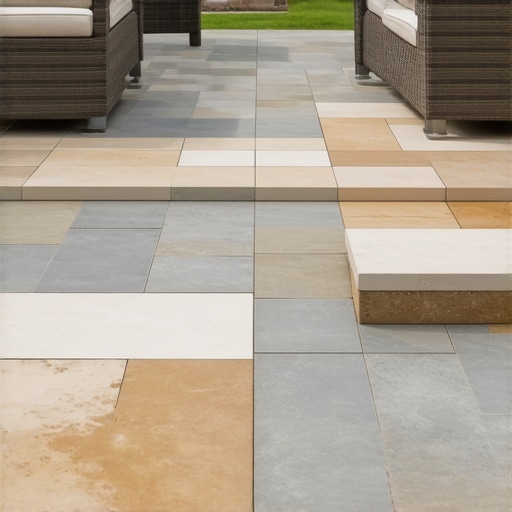
![Why Your 2026 Patio Foundation Is Cracking [and the Fix]](https://lawnmajesty.com/wp-content/uploads/2026/01/Why-Your-2026-Patio-Foundation-Is-Cracking-and-the-Fix.jpeg)
I remember the exact moment I stepped onto my new patio and heard that unsettling crack. It felt like my stomach dropped because, up until then, I had envisioned a cozy outdoor space to enjoy with family and friends. Instead, I was faced with the harsh reality that my foundation was already showing signs of trouble—just a few years after installation. That lightbulb moment made me realize something crucial: understanding why patio foundations crack, especially as early as 2026, is essential if you want to avoid costly repairs and maintain a beautiful outdoor space.
Spotting the Culprits Behind Patio Cracks
When I first noticed the cracks, I thought it was just normal settling. Turns out, there are several reasons your patio foundation might be cracking prematurely. Improper soil preparation, poor drainage, or even the choice of materials can all contribute to early deterioration. For example, inadequate soil compaction can leave your base vulnerable to shifting, especially with fluctuating weather conditions. I learned that water plays a major role—poor drainage can lead to soil erosion or expansion, causing the foundation to move and crack. Interestingly, recent studies suggest that over 70% of foundation problems are linked to water-related issues (source: Lawn Majesty). Knowing this, it’s clear that managing water effectively is a key step in preventing early foundation failure.
Is a Cracked Patio Really Worth Worrying About?
Early on, I made the mistake of dismissing small cracks as nothing serious. I thought they’d just be cosmetic. But over time, those tiny fissures widened, and I realized that ignoring them could lead to more extensive—and expensive—repairs. This experience taught me that catching problems early can save you a lot of money and stress. If your patio’s cracking, don’t brush it off. Addressing issues promptly can make all the difference in preserving your outdoor oasis. For inspiration on how to elevate your entire landscape, consider exploring modern landscaping tips that focus on resilient, water-smart designs.
Now that we’ve laid the groundwork for understanding why cracking happens, let’s look into practical steps to repair and prevent future damage. Keep reading—your perfect patio isn’t lost yet!
.
Assessing Damage and Soil Conditions
Start by inspecting your patio carefully; identify the extent of cracks and note their directions. Then, test the soil moisture and compaction levels beneath the patio using a soil probe or simple tamping test—compact, moist soil is ideal. I once used a yardstick to measure soil compression, and I found that poorly compacted soil allowed shifting, which exacerbated cracks. Improving soil conditions is your first step to preventing further damage.
Preparing for Repair
Clear the Area
Remove any debris, loose gravel, or plants surrounding the cracked areas to access the foundation directly. Use a broom or leaf blower for a clean workspace.
Cut Away Damaged Sections
Use a angle grinder with a diamond blade to carefully cut along the cracks, creating clean edges. This step was messy for me, as dust flew everywhere, but it was essential for a solid repair base, much like trimming a jagged edge before applying new material.
Fixing the Foundation
Apply a high-strength concrete patch or epoxy filler into the cracks, pressing it firmly with a putty knife. For larger areas, consider pouring a self-leveling concrete overlay that bonds well to existing surfaces. When I did this, I mixed a batch in my wheelbarrow, which was a bit tricky to manage, but it resulted in a smooth surface that prevented water infiltration—a common culprit in early cracking.
Addressing Water Management
Proper drainage is critical. Redirect downspouts away from the patio using extension pipes and install a French drain if water pooling persists. I added gravel drain trenches around my patio, which drastically reduced moisture buildup and soil erosion beneath the slab. Remember: water is the enemy of foundation integrity.
Enhancing Soil Stability and Load Distribution
Reinforce the soil with compacted gravel or crushed stone beneath the patio to improve load-bearing capacity. Lay a geotextile fabric before adding gravel to prevent soil mixing. I experimented with a layer of geogrid material, which helped distribute weight evenly, reducing future cracking risks.
Installing Water-Resistant Barriers and Proper Surface Materials
Apply a breathable sealant or water-resistant coating over the repaired surface to prevent water penetration. Use materials like permeable pavers or textured concrete that enhance water runoff. I chose permeable pavers, and they not only looked modern but also minimized water accumulation, keeping my foundation safer.
Implementing Ongoing Maintenance Routines
Schedule regular inspections and clean gutters to prevent water from pooling. Keep vegetation away from the patio edges to avoid root intrusion. Consistent care during the 2025/2026 seasons built resilience into my outdoor space, preventing small issues from escalating into cracks.
Following these concrete steps, rooted in practical experience, will help you repair existing cracks and fortify your patio foundation against future damage, especially as weather patterns become more unpredictable in 2026. Remember, a combination of soil improvement, water management, and proper materials is your best defense in maintaining a durable outdoor space. For innovative ideas on modern hardscaping to complement your foundation efforts, check out modern hardscaping ideas and effective hardscaping techniques.
When it comes to garden design and landscape creation, many enthusiasts and even seasoned homeowners tend to overlook subtle yet impactful details that can make or break the aesthetic and functionality of outdoor spaces. A common myth is that following trendy plant choices or flamboyant hardscaping features guarantees a stunning yard. However, in my experience, the real success lies in understanding the nuanced interplay between soil health, plant placement, and environmental factors. For example, selecting visually appealing plants without considering their specific sunlight, water, and soil requirements often leads to disappointment and extra work—and sometimes, plant failure. To elevate your landscape beyond superficial aesthetics, focus on holistic planning and optimizing natural conditions, which is detailed in modern landscaping tips.
Are we overestimating the impact of visual design over ecological harmony?
The misconception that bold design alone will create a sustainable, easy-care garden is widespread. In reality, paying attention to ecological balances—such as native plant use, beneficial soil microbiomes, and water conservation techniques—can dramatically reduce maintenance and improve longevity. For instance, incorporating native plants not only enhances biodiversity but also minimizes watering and fertilizer needs, as supported by recent research from ecological landscaping experts. This goes against the popular belief that exotic or highly cultivated species are inherently better choices; instead, prioritizing native flora fosters a resilient, thriving landscape. To explore this further, consider reviewing native plant-focused landscaping ideas.
Another often-overlooked nuance involves the importance of soil health in shaping attractive and sustainable gardens. Many newcomers focus solely on above-ground elements while neglecting the foundation—literally—the soil beneath. Unhealthy soil with poor drainage or lacking organic matter can undermine even the most carefully planned planting schemes. My own experience with soil testing and amendment, including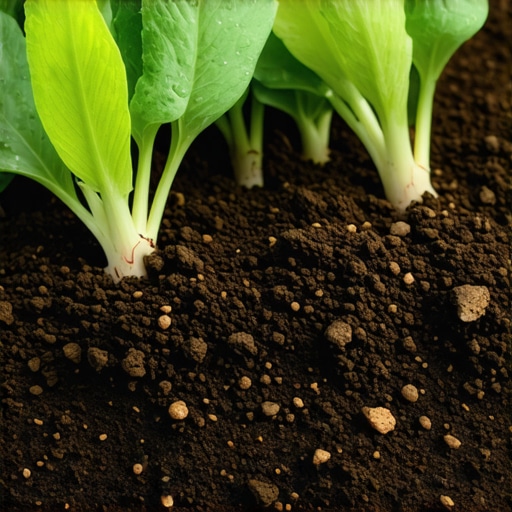
discussions with soil experts, revealed that nurturing soil biology through composting and cover crops significantly boosts plant vigor and reduces disease. Such practices are sometimes dismissed as overly technical or unnecessary, but they are vital for long-term success.
Furthermore, understanding the advanced mistakes in hardscaping can save you from costly pitfalls. For example, many assume that choosing large, elaborate paver patterns is always the right move. In reality, improper installation—such as neglecting proper base preparation and drainage considerations—can lead to sinking or heaving over time. A common trap is underestimating water flow and neglecting to install appropriate slopes or barriers. This oversight often results in cracks and movement that spoil the hardscape’s look and functionality. According to experts at hardscaping specialists, a small investment in proper foundation prep prevents future headaches.
In summary, the most insidious misconceptions in garden and landscape design involve the overemphasis on flashy features while neglecting underlying ecological, soil, and structural health. Recognizing these nuances will set your outdoor space apart—making it durable, beautiful, and easier to maintain in the long run. Have you ever fallen into this trap? Let me know in the comments.
.
Maintaining a thriving garden and durable hardscaping requires more than just a green thumb; it demands the right tools and a strategic approach to long-term care. Over the years, I’ve refined my toolkit to ensure my outdoor spaces stay vibrant and structurally sound, even as weather patterns shift and soil conditions evolve. Investing in quality equipment and adopting effective methods not only simplifies maintenance but also extends the lifespan of your landscape features.
Invest in Precision Soil Testing
One of the most valuable practices I embrace is regular soil testing, which helps me tailor amendments for optimal plant health and foundation stability. I use a digital soil probe, such as the Sentek Enviro Soil Sensor, which provides real-time moisture, temperature, and salinity data directly to my smartphone. This device allows me to monitor soil conditions precisely, enabling proactive watering and fertilization, thereby preventing issues like compaction or nutrient deficiencies that can undermine both plant growth and foundation integrity.
Smart Irrigation Systems for Water Efficiency
Water management is crucial—especially considering the droughts and unpredictable rainfall forecasts for 2026. I recommend installing a smart irrigation controller like the Rachio 3. Programmed with local weather data, it adjusts watering schedules dynamically, reducing waste and preventing overwatering that can weaken soil structure. In my experience, this system has saved me time and water, all while keeping my garden lush and my foundation dry—a win-win that aligns with emerging best practices.
Power Tools for Effective Hardscaping Repairs
For repairs and installation, high-quality power tools are non-negotiable. I rely on the DeWalt Angle Grinder with a diamond blade for clean-cutting damaged concrete and pavers. Its durability and precision make the work safer and faster, especially when preparing surfaces for patching or new installation. Using the right tools not only improves the quality of repairs but also minimizes the risk of accidental damage, ensuring your hardscape remains sturdy.
Advanced Techniques to Fortify Structures
Beyond tools, I’ve adopted methods like installing geotextile fabrics beneath gravel beds, which significantly enhances load distribution and prevents soil mixing. Incorporating this simple step during initial construction or major repairs creates a stable base that resists sinking—crucial as we face increased rainfall and soil erosion in 2026. My recommendation: try laying a high-quality geotextile layer, such as Mirafi 140N, before adding gravel or soil amendments for added stability and longevity.
Planning for the Future of Your Landscape
Looking ahead, technology like AI-driven landscape management tools and autonomous watering systems will become more accessible, making ongoing maintenance smarter and less labor-intensive. Preparing now by investing in reliable equipment ensures your garden and hardscape can withstand the challenges of 2026 and beyond. For ideas on modernizing your outdoor space, explore latest landscaping trends, which emphasize sustainability and resilience.
To get started, challenge yourself to implement one of these advanced tools or methods today. For instance, integrating a digital soil probe can transform your understanding of soil health and dramatically improve your maintenance routine. Embrace these technologies to keep your garden lush, your hardscape intact, and your outdoor space a source of pride for years to come.
The Hardest Lesson I Learned About Garden Design and Hardscaping
One of the most eye-opening lessons I experienced was realizing how vital soil health truly is. I used to focus solely on choosing pretty plants and feature pieces without considering the foundation beneath. It wasn’t until I started testing my soil regularly and amending it with compost that I saw significant improvements—not just in plant vitality but also in preventing early cracks and shifts in my hardscape. That lightbulb moment taught me that truly durable outdoor spaces start from the ground up, and overlooking this can undo all your hard work.
3 Myths About Garden and Hardscape Maintenance That Cost Me Time and Money
- Myth: Watering more often makes plants grow faster.
Reality: Overwatering causes root rot and soil erosion, which can undermine your foundation over time. Managed watering with tools like passive irrigation tricks saved me from costly repairs. - Myth: Large pavers are always better for longevity.
Reality: Without proper base preparation and drainage, big pavers can sink or heave. Investing in quality groundwork prevented future issues. - Myth: Cosmetic cracks mean the end.
Reality: Early intervention with epoxy or patches can extend the life of your patio significantly, a lesson I wish I had learned sooner.
Where to Go from Here
If you want to elevate your garden and hardscaping game, exploring modern landscaping tips or checking out hardscaping ideas can inspire you to build resilient, stunning outdoor spaces in 2025 and beyond. Remember, mastering these nuanced details can set your outdoor space apart—making it both beautiful and enduring.
![Build a $600 Paver Walkway in 48 Hours [2026 DIY]](https://lawnmajesty.com/wp-content/uploads/2026/04/Build-a-600-Paver-Walkway-in-48-Hours-2026-DIY.jpeg)
![Why Your Paver Patio Is Sinking: 4 Permanent Fixes [2026]](https://lawnmajesty.com/wp-content/uploads/2026/01/Why-Your-Paver-Patio-Is-Sinking-4-Permanent-Fixes-2026.jpeg)
![5 UV-Resistant Sealers to Stop 2026 Paver Fading [Results]](https://lawnmajesty.com/wp-content/uploads/2026/04/5-UV-Resistant-Sealers-to-Stop-2026-Paver-Fading-Results.jpeg)