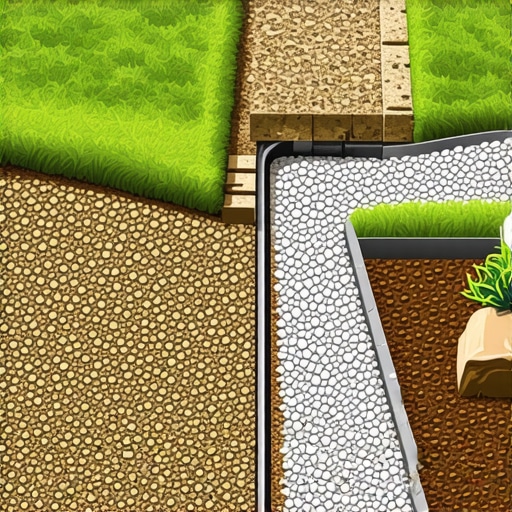
There was a moment in my backyard — after laying down a new patio and installing a stunning stone walkway — when I realized something was terribly wrong. A slow, almost imperceptible puddle had formed near the edge, growing ever so slightly each rainstorm. It was that sinking feeling of having invested so much time and money into creating a beautiful outdoor space, only to see it battle against stubborn drainage issues. That lightbulb moment made me realize: if I don’t act discreetly, I risk compromising the entire landscape.
Why Hardscaping Drainage Issues Could Ruin Your Outdoor Dreams
Flooding, erosion, or soggy ground — these problems are the silent killers of well-designed outdoor spaces. For 2026 projects, staying ahead with clever, nearly invisible drainage solutions isn’t just a behind-the-scenes concern; it’s essential for longevity and aesthetic appeal. I’ve learned from my own pitfalls that ignoring subtle water problems can escalate into costly repairs, sometimes years down the line. According to the EPA, effective drainage is crucial to prevent water damage and maintain landscape health.
Is Sneaky Drainage Actually Worth the Hype?
Early in my landscaping journey, I made the mistake of thinking visible, stand-out solutions would be the most effective. Turns out, the real magic lies in those tiny, stealthy fixes—integrated seamlessly into your hardscaping. If you’ve ever worried about your investment turning into a drainage disaster, read on. I’ll walk you through five clever tricks I wish I had known before starting my 2026 renovations, all designed to keep your yard dry without compromising style.
,
Lay the Foundation with Proper Grading
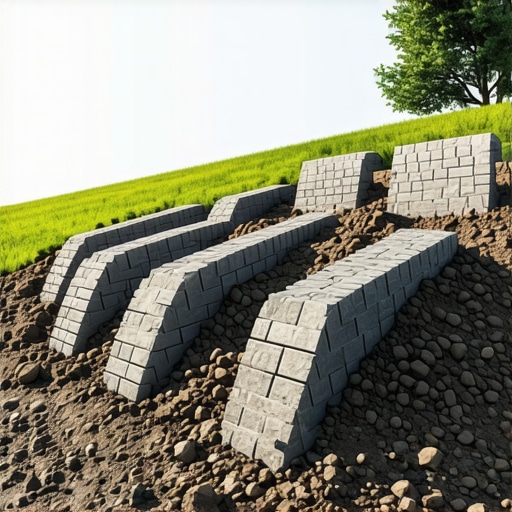
Begin by assessing your yard’s natural slope. Use a level or laser tool to identify high and low points to ensure water flows away from your hardscaping features. When I regraded my patio, I excavated the land slightly downhill from the structure, redirecting runoff efficiently. Think of it like creating a gentle slide for water rather than a trap. This step sets the stage for effective drainage and prevents water pooling around your installations.
Tie-In Drainage with Permeable Materials
Choose and Install Permeable Pavers
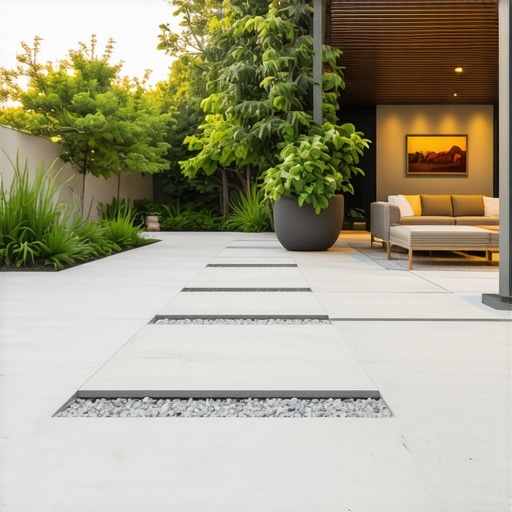
Opt for permeable pavers that allow water to seep through spaces between stones, reducing runoff and easing pressure on underground drainage. I used porous concrete pavers during my last project, and the water gracefully filtered into the soil below, avoiding puddles. Incorporate gravel or crushed stone underneath to further enhance permeability, acting like a sponge that absorbs excess water—keeping your yard dry and your hardscaping intact. For more ideas on this modern trend, check here.
Design Hidden Drainage Channels
Embed discreet drainage trenches or French drains along low points or beneath pathways. During one project, I installed a perforated pipe wrapped in landscape fabric and covered with gravel, subtly directing water away without disrupting aesthetics. These channels act like underground conduits, guiding water efficiently while remaining invisible. Pay attention to the flow path to ensure water doesn’t pond near your foundation or patio edges. To see detailed techniques, review related drainage solutions.
Utilize Bio-Retention Elements
Incorporate rain gardens, swales, or vegetated strips to capture runoff naturally. I created a mini rain garden at the edge of my yard, planting water-tolerant native grasses and perennials. These features absorb and slow water flow, acting as natural sponges. They also add visual interest while serving a functional purpose. When designing these, ensure the soil is amended for quick drainage—think of it as giving plants a head start. For inspiration, explore landscape ideas.
Maintain and Monitor Your Drainage System
Regularly inspect your drains, pipes, and permeable surfaces after storms. Clear debris, fix clogs, and ensure nothing obstructs flow. I learned this lesson the hard way when a blocked French drain caused localized flooding during a heavy rainstorm. Maintenance is like tuning a machine—small, consistent efforts keep everything functioning smoothly. Use visual cues like pooling or erosion as alerts to revisit your system; neglect leads to costly repairs and landscape damage. For ongoing tips, refer to maintenance strategies.
Many DIY enthusiasts and even seasoned landscapers often believe that following popular trends or basic principles guarantees a successful outdoor space. However, in my experience, one of the most overlooked aspects is understanding the intricate nuances that set expert-level landscaping apart from common mistakes. Let me clarify a key misconception: many assume that a visually appealing design alone ensures durability and functionality. But the truth is, the devil lies in the details like soil compatibility, microclimates, and subtle water flow patterns. Neglecting these factors can lead to costly repairs or redesigns down the line. For example, selecting decorative pavers without considering drainage can result in uneven settling or sinking—something I learned when my own patio started to crack prematurely. Instead, paying attention to parameters such as soil texture, sun exposure, and natural water runoff directs smarter material choices and placements. These advanced considerations are akin to the difference between a pretty face and lasting beauty; surface impressions matter, but the inner structure determines longevity. A common myth is that implementing green features like rain gardens or permeable pavements is enough for water management. In reality, these solutions need careful sizing and placement, accounting for your property’s unique topography and climate. To truly excel, you need to integrate a comprehensive understanding that combines aesthetics with environmental responsiveness. Building this layered expertise allows you to sidestep pitfalls and create landscapes that thrive over decades. For deeper insights into latest trends and expert tips, check out [top hardscaping trends](https://lawnmajesty.com/top-hardscaping-trends-to-elevate-your-garden-design-in-2025) or explore [modern lawn care strategies](https://lawnmajesty.com/modern-lawn-care-landscape-tips-for-2025-success). Remember, mastering these nuances elevates your projects from basic to exceptional. Have you ever fallen into this trap? Let me know in the comments.
How Do I Keep My Hardscaping Systems Healthy Over Time?
Maintaining your outdoor hardscaping and landscaping investments requires the right tools and a strategic approach. I personally rely on a combination of high-quality equipment and software solutions to ensure longevity and optimal performance.
First, I recommend investing in a rotary multi-tool like the Milwaukee M18 Fuel Cordless Rotary Tool. I use this for detailed cleaning, grout refreshment, and minor repairs to pavers or joints. Its versatility helps me address issues promptly, preventing small problems from escalating. Additionally, a digital moisture meter allows me to monitor soil conditions around drainage features, ensuring they’re functioning as intended.
For larger scale inspections, a laser level is invaluable. I prefer the Bosch GLL 3-80 Laser Level because it provides precise alignment for grading alterations or reinstallation of permeable surfaces, reducing guesswork. Keeping tools calibrated and in good condition is crucial, so regular maintenance—like cleaning lenses and checking batteries—keeps them ready for ongoing care tasks.
On the digital side, I lean on landscape design software such as top hardscaping trends to plan modifications and visualize long-term effects. Using these tools, I can simulate water flow and visually test drainage solutions before physical implementation, saving time and avoiding costly errors.
In the future, I predict that automation and smart monitoring will play an even bigger role. Devices like weather sensors and automated irrigation controllers will help homeowners optimize watering schedules and detect drainage issues early, making maintenance more effortless and precise.
What Are Advanced Techniques to Keep Outdoor Features Functioning?
Besides tools, adopting advanced techniques is key. Regularly applying a sealing agent to permeable pavers, for example, extends their lifespan and preserves permeability. I like using modern hardscaping ideas that include sealant application as part of annual maintenance.
Another effective method is implementing periodic soil aeration around drainage zones. This encourages better infiltration and prevents compaction over time. If you’re unsure about performing these tasks yourself, professional services equipped with diagnostic tools can provide tailored maintenance programs that save money and ensure durability.
Try integrating a smart drainage inspection system that uses sensors to monitor water levels and flow, alerting you when maintenance is needed. Such proactive measures will become standard as technology advances, streamlining the upkeep of your landscape.
Remember, maintenance isn’t a one-off task but a continuous process. Using the right equipment and strategies today will yield impressive results in years to come, keeping your outdoor living spaces both beautiful and functional for the long haul. For examples of innovative hardscaping upgrades, see effective hardscaping strategies and consider trying a smart sensor system to keep everything working smoothly.
The Surprising Lessons I Learned About Drainage That Changed Everything
- One of my biggest realizations was that overlooking micro-variations in soil texture could spell disaster for my hardscape. A small pocket of compacted earth might seem insignificant, but it can cause pooling that ruins the aesthetic and structural integrity over time.
- Early on, I believed that installing a drainage system was a one-time task. The truth? Continuous monitoring and maintenance are essential—things like sediment buildup or root intrusion can silently compromise your hardscaping’s longevity.
- My biggest lightbulb moment was connecting how proper grading isn’t just about slope but about understanding how water naturally moves across your property. Mimicking these micro-flow patterns creates a more resilient and almost invisible drainage network.
- I also discovered that combining multiple techniques—like permeable pavers paired with bio-retention zones—creates a synergy that handles water smarter and more sustainably, especially during unpredictable weather patterns.
My Go-To Tools and Resources for Mastering Drainage
- For precise grading, I swear by the Bosch GLL 3-80 Laser Level—its accuracy keeps my slopes consistent and prevents costly mistakes. You can explore more about it on this page.
- Investing in a digital moisture meter allows me to assess soil conditions in tricky spots—ensuring that bio-retention features and planting beds function optimally. I trust models that give quick, reliable readings, like those recommended in this guide.
- When planning drainage solutions, landscape design software has been invaluable. It lets me visualize water flow and avoid unforeseen pitfalls, making the process smoother and more confident. I use these tools.
- And to keep everything functioning over time, I rely on a maintenance checklist from trusted sources like this page, ensuring my drainage stays at peak performance in every season.
Time to Elevate Your Hardscaping Game
Embracing these insights and tools, I’ve transformed my yard into a resilient landscape that stands up to nature’s quirks. The key takeaway? Pay close attention to the details—soil health, grading nuances, and integrated solutions—because they make the difference between a pretty yard and a durable masterpiece. Your outdoor space deserves this kind of care; start small, think big, and trust the process. Ready to implement smarter drainage? Share your personal challenges or successes below, and let’s learn together from each other’s journeys.
What really stood out to me in this post is how critical proper grading is, yet it’s surprisingly often overlooked in DIY projects. I remember when I initially tried to grade my yard myself, I underestimated how subtle slope differences could lead to pooling issues later. It wasn’t until a heavy rain revealed a small ponding spot that I realized my grading wasn’t quite right. Since then, I’ve learned the importance of using laser levels consistently and checking slopes from multiple angles to ensure water naturally flows away from the hardscaping.
I’m curious to hear from others: what tools or techniques have you found most effective for achieving precise grading on your property? Have you incorporated bio-retention features or native plants to help manage excess water naturally? I believe integrating these eco-friendly methods not only helps with drainage but also enhances landscape beauty. Looking forward to hearing all your tips and experiences—perhaps I’ll try some new strategies on my next project!