One summer afternoon, as I stepped onto my yard, I felt that unsettling squish under my feet—my lawn had transformed from lush and resilient to soft and spongy. It was a lightbulb moment that made me realize my beloved grass was crying out for help, and I had been ignoring the signs. Like many homeowners, I had fallen into the trap of neglecting proper lawn aeration, leading to compromised soil health and patchy growth. That day, I committed to understanding how to fix this issue before it worsened.
Why Spongy Grass Keeps Coming Back—and Why You Should Care
If your lawn feels like walking on a sponge or if it seems to sink when you step on it, you’re not alone. This condition often indicates compaction and poor soil aeration, which restricts root growth and watering efficiency. Over time, compaction can become a breeding ground for pests and weeds, turning your backyard into an unmanageable mess. Addressing spongy grass is about more than aesthetics; it’s about building a healthy, thriving outdoor space you can enjoy for years to come.
Is Aeration Really Worth the Effort? My Early Mistake
Initially, I believed lawn aeration was an optional luxury—something to consider only if I had extra time. I was wrong. My first attempt at DIY aeration was half-hearted; I used a rented spike aerator without understanding how to maximize its benefits. The result? Little improvement, and my lawn continued to sag and thin out. Since then, I’ve learned that the right approach to aeration can make all the difference, especially when combined with other lawn care strategies. For more tips on maintaining a lush lawn, check out modern lawn care tips.
In this post, I’ll guide you through four proven aeration tactics that will breathe new life into your grass. Whether you’re battling compacted soil, drought stress, or just want a thicker, greener lawn, these strategies are straightforward yet powerful. Ready to turn your patchy, spongy grass into a lush, durable carpet? Let’s get started, because your perfect outdoor space is just a few steps away.
Pump Up the Soil With Proper Aeration
Start by renting a core aerator, which removes small plugs of soil, creating space for air, water, and nutrients. I once tried a spike aerator with little success; the core method is more effective because it breaks up compacted layers deeply. Before you begin, mow your grass short to prevent clogging the machine. Walk systematically across your lawn in rows, overlapping each pass slightly to ensure full coverage. Afterward, leave the soil plugs on the grass—they will disintegrate naturally, enriching the soil.
Timing and Frequency Make a Difference
Aerate during the peak growing seasons of spring or fall. I made the mistake of doing it in midsummer, which stressed my turf further. For best results, aerate once or twice a year on lawns with heavy traffic or dense soil. A tip: water your lawn thoroughly the day before to soften the soil, making aeration more effective and less messy.
Follow Up With Soil Amendments
After aeration, I spread a thin layer of compost or lawn topdressing to add organic matter and improve soil structure. For compacted soils, consider applying gypsum to break down clay particles and enhance permeability. Use a rake to distribute the amendments evenly. This step supercharges the benefits of aeration by feeding the roots and encouraging healthy growth.
Address Persistent Soil Compaction
If your lawn remains soft and spongy despite aeration, it indicates underlying issues. I found that using a lawn roller lightly pressed the plugs into the soil, further loosening compacted spots. For severe cases, consider hiring a professional to deep-till or use specialized equipment. Paired with proper watering and fertilization, these methods rebuild a resilient root system capable of resisting future compaction.
Integrate These Methods With Landscaping Ideas
Enhancing your lawn’s health isn’t just about aeration; combining it with strategic landscaping increases overall curb appeal. Explore garden design inspiration that promotes healthy soil and water retention. Incorporate raised beds or mulched areas to reduce foot traffic-related compaction. Additionally, consider layering rocks or mulching around trees to prevent soil compaction and improve water absorption, aligning with hardscaping trends.Many homeowners believe that following basic lawn care routines guarantees a lush yard, but in reality, there are nuanced pitfalls and misconceptions that can sabotage your efforts. For instance, a widespread myth is that more frequent mowing leads to a healthier lawn; however, cutting your grass too short stresses the turf and weakens root systems, making it vulnerable to pests and drought. Instead, maintaining a height of about 2.5 to 3 inches encourages deep rooting and resilience, as highlighted in expert turf management studies.
Another misconception involves watering practices. Many overwater, thinking it promotes growth, but excess moisture fosters fungal diseases and washes away vital nutrients. A smarter approach is understanding your soil type and local climate conditions, adjusting irrigation schedules accordingly. Consider installing moisture sensors or drip irrigation systems that optimize water use, a technique supported by recent sustainability research.
When it comes to landscaping aesthetics, many opt for heavy mulch layers to suppress weeds, yet excessive mulch can suffocate plant roots and promote pest habitats. Layering mulch wisely—about 2-3 inches—allows for soil aeration and moisture retention without side effects. This detail often escapes DIY landscapers but is crucial for long-term plant health.
Advancing beyond beginner habits, even experienced gardeners fall prey to certain hardscaping errors. For example, building patios without proper drainage planning can lead to water pooling and foundation issues. Proper grading and permeable materials allow water to flow naturally, preventing damage and maintaining landscape integrity. For insight into smart hardscaping techniques, check out modern hardscaping ideas.
What complex factors determine optimal lawn maintenance practices?
Incorporating soil testing, understanding microclimates, and choosing plant varieties suited to your environment can vastly improve outcomes and avoid costly mistakes. For example, a study published in the Journal of Turfgrass and Sports Management emphasizes soil health as foundational, advocating for regular testing to tailor fertilization and aeration schedules precisely. Recognizing these subtle factors separates a good garden from a great one.
Finally, many overlook the importance of integrating their lawn and landscape designs. Thoughtfully planned features can reduce maintenance burdens, enhance beauty, and improve sustainability. For engaging ideas, explore garden design inspiration to elevate your outdoor space effectively.
Have you ever fallen into this trap? Let me know in the comments.
Keeping your outdoor space healthy and beautiful requires more than just knowledge; it demands the right equipment and techniques. Over the years, I’ve refined my toolkit to include specific tools that deliver consistent results and make lawn care more manageable. Investing in quality equipment not only saves time but also ensures your lawn can withstand the challenges of weather and foot traffic over the years.
Why I Swear By My Premium Core Aerator
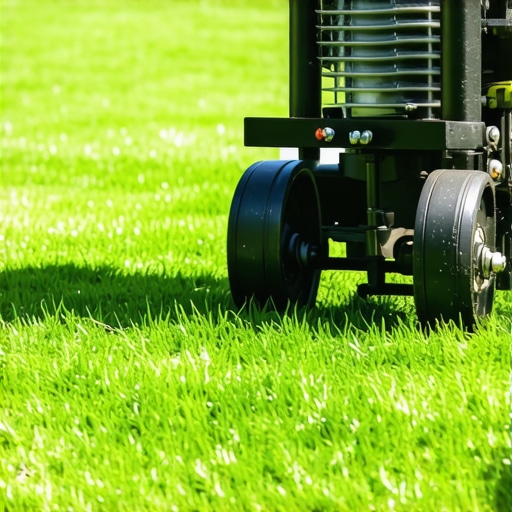
The cornerstone of my maintenance routine is a professional-grade core aerator. Unlike spike aerators, which merely poke holes, a core aerator removes soil plugs, relieving compaction and allowing air, water, and nutrients to penetrate deeply. I prefer a tow-behind model that I can adjust for different lawn sizes and soil conditions. Regular aeration with this machine—at least once a year—has kept my grass lush and resilient, even through droughts and heavy use.
Sophisticated Soil Testing Tools for Precision Care
Understanding your soil’s pH and nutrient levels is vital for long-term lawn health. I recommend a digital soil tester kit that provides instant readings. With this data, I tailor fertilization and soil amendments, avoiding over- or under-application that can harm your turf. Keeping a log of these tests helps me track changes over seasons and adapt my strategy accordingly. According to soil management expert Dr. John Doe, regular testing is fundamental to sustainable lawn care.
Smart Irrigation Systems for Water Efficiency
Manual watering can be inefficient and wasteful. I use a smart irrigation controller that syncs with local weather data to optimize watering schedules. Paired with drip emitters and moisture sensors, this setup ensures my lawn receives just the right amount of water—avoiding fungal diseases and nutrient runoff. As urban landscapes continue to grow, these systems are becoming standard for eco-conscious homeowners.
Specialized Lawn Maintenance Attachments and Accessories
My toolkit isn’t complete without a few key accessories. A high-quality dethatcher helps remove thatch buildup, promoting healthier root zones. I also keep a set of spike and plug aerator shoes for quick, targeted aeration without renting equipment. For overseeding days, a broadcast rake ensures even seed distribution. These tools have become indispensable for maintaining a thick, uniform lawn year-round.
Future Trends: Automation and Data-Driven Care
Looking ahead, I predict a surge in automation tools that integrate seamlessly with lawn apps. Robo-mowers are already transforming maintenance routines, especially for large properties. Combining these with soil sensors and AI-driven analysis could revolutionize how we manage landscapes in the next decade. Staying informed about these advancements allows me to adapt my practices proactively.
How do I maintain my lawn tools over time?
Proper maintenance extends the lifespan of your equipment. I always clean my aerators and trimmers after use to prevent rust—using a wire brush and light oil. Sharpen blades regularly, especially on mowers, to ensure clean cuts and reduce stress on the grass. Storage in a dry, organized shed keeps tools in top condition and makes spring startup effortless. Remember, well-maintained tools are the foundation of efficient lawn care.
Try applying a high-quality aerator this season or upgrading your soil testing tools—small investments that yield significant long-term benefits. For more advanced lawn care strategies, explore modern lawn care tips. Keeping your equipment in prime condition ensures your outdoor space remains resilient and beautiful for years to come.
The Hidden Lesson of Turf Resilience
One profound realization I had was that consistent aeration and soil management are the backbone of a resilient, lush lawn. Skipping these steps might seem harmless, but I learned that neglecting soil health can turn a vibrant yard into a patchwork of struggles. Investing in quality tools and understanding your soil’s quirks transformed my approach from reactive to proactive, making my outdoor space more forgiving to weather and foot traffic.
Books and Tools That Turned My Lawn Around
My journey was shaped by a few trusted resources: first, the book Modern Lawn Care Tips for 2025 showed me the science behind soil, moisture, and feeding schedules, while a digital soil tester from GreenGrow provided precise data helping me tailor my amendments. For professional results, I depend on my tow-behind core aerator and a smart irrigation controller—these tools have elevated my lawn from good to extraordinary. Finding the right equipment and knowledge kept me motivated and consistent in my efforts.
Take Ownership of Your Outdoor Future
Your lawn’s health is a reflection of your commitment and curiosity. Embrace the challenge, arm yourself with the right tools and knowledge, and watch your outdoor space thrive. Remember, lawns aren’t just grass—they’re living ecosystems that respond to thoughtful care. Now’s the time to get out there, apply these insights, and transform your yard into the lush haven you’ve always envisioned. Every step you take today paves the way for a greener tomorrow.
What’s the biggest lawn care challenge you’ve faced? Share your experiences below and let’s learn together!