3 Reasons Your 2026 Lawn is Yellowing Despite Watering
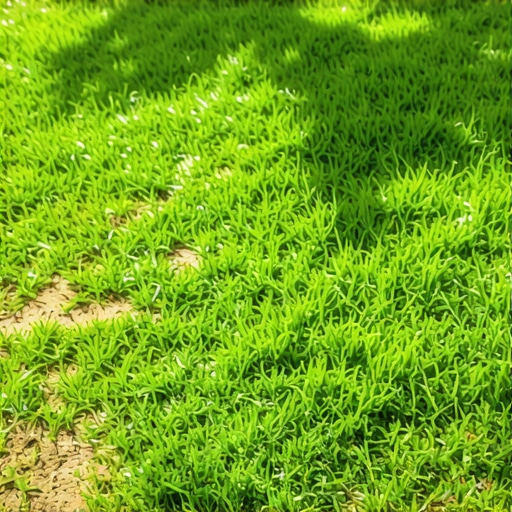
The sight of a yellowing lawn when the sprinklers are running daily is the ultimate frustration for any homeowner. You see the discoloration, a sickly pale lime turning to straw, and your instinct is to turn the dial up on the irrigation controller. Stop. You are likely killing your turf with kindness, or more accurately, with a lack of understanding of soil physics and plant pathology. Yellowing turf in 2026 is rarely a hydration issue; it is almost always a respiratory or nutritional crisis happening below the surface. When grass blades lose their green pigment, they are failing to produce chlorophyll, a process known as chlorosis. This can be triggered by oxygen deprivation in the root zone, the leaching of mobile nutrients like nitrogen, or the onset of fungal pathogens that thrive in high-moisture environments.
The Grading Lesson: Why Your Soil Structure is Failing
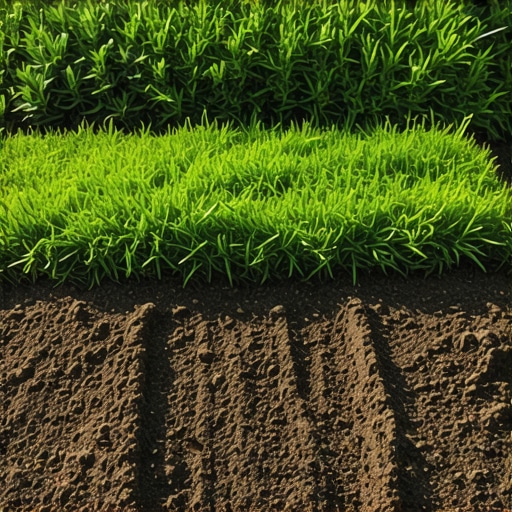
I always drill into my new crew members: if you don’t fix the soil grading first, every plant you put in the ground is just expensive compost. I have spent twenty years watching homeowners spend thousands on high-end sod only to lay it over compacted red clay that has the drainage capacity of a concrete slab. Last season, I walked onto a site where the owner had installed a top-tier irrigation system, yet the lawn looked like a desert. The issue? The previous contractor ignored a three-degree slope that was funneling water into a low-point basin, effectively drowning the root systems while the higher ground remained hydrophobic. If your soil grade doesn’t allow for a percolation rate of at least one inch per hour, your grass is living in a bathtub, not a garden. Oxygen is squeezed out of the soil pores by standing water. Without oxygen, the roots cannot perform the ATP-driven process of nutrient uptake. They suffocate. It is that simple.
“A lawn does not struggle because of a lack of water; it struggles because the soil environment has become anaerobic, preventing the roots from accessing the very nutrients they need to thrive.” – Agronomy Manual of Turfgrass Management
Reason 1: Root Hypoxia and Soil Compaction
Root hypoxia occurs when the pore spaces in your soil are completely filled with water, leaving zero room for oxygen exchange. For turfgrass to remain healthy, the soil needs a balance of roughly 50 percent solids, 25 percent water, and 25 percent air. When you over-water or when your soil is compacted to a bulk density exceeding 1.6 g/cm3, that air percentage drops to zero. The Answer Capsule: Yellowing turf in 2026 is often caused by root hypoxia, where excessive water displaces oxygen in the soil. This prevents the grass from absorbing nitrogen and iron, leading to chlorosis. To fix this, you must reduce watering frequency and perform core aeration to restore gas exchange to the root zone.
How do I know if my soil is compacted?
Take a long screwdriver and try to push it into the ground. If you hit resistance within the first two inches, your lawn is a brick. No amount of water will help a brick grow grass. In fact, adding more water to compacted soil actually increases the hydrostatic pressure, further crushing the delicate root hairs that are responsible for moisture and nutrient absorption. You need to pull cores. Not those little spikes that just push the dirt aside, but hollow-tine cores that remove a physical plug of earth. This allows the soil to expand and breathe. Don’t skip this. Without aeration, you are wasting every penny you spend on fertilizer.
Reason 2: Nitrogen Leaching and Nutrient Volatilization
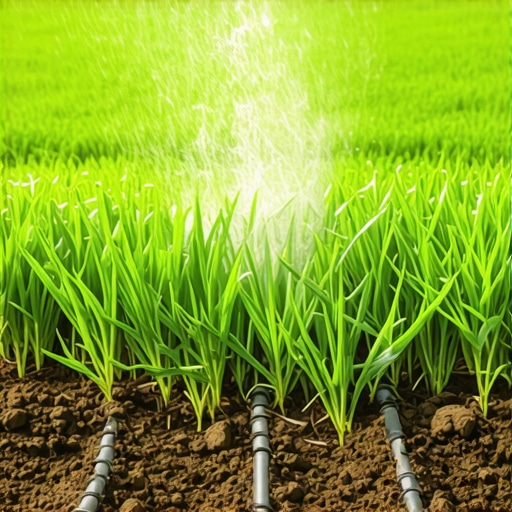
Nitrogen leaching is the process where excess water carries soluble nitrates down past the root zone and into the groundwater, leaving the grass starving for the primary building block of chlorophyll. The Answer Capsule: Nitrogen is a highly mobile nutrient; when you over-water, you effectively wash the fertilizer away before the plant can utilize it. This results in a nitrogen deficiency, characterized by uniform yellowing of the older leaves first as the plant moves remaining nitrogen to new growth. You need a slow-release nitrogen source and a calibrated irrigation schedule of 1 inch per week.
What is the best nitrogen ratio for a yellowing lawn?
Stop buying the cheap, fast-release 20-0-0 bags from big-box stores. They provide a quick green-up that lasts ten days and then disappears, often burning the leaf blades in the process. Look for a product with at least 50 percent Water Insoluble Nitrogen (WIN). This ensures the nutrient stays in the soil longer. You should be aiming for about 0.5 to 1 pound of actual nitrogen per 1,000 square feet per application. If your soil pH is above 7.2, the nitrogen might be there, but the plant can’t grab it because it’s chemically locked up. In high pH soils, you need to add elemental sulfur to bring that number down to the 6.0 to 6.8 sweet spot.
| Condition | Visual Symptom | Primary Cause | Fix |
|---|---|---|---|
| Nitrogen Deficiency | Uniform pale yellowing | Leaching/High water | Slow-release N |
| Iron Chlorosis | Yellowing between green veins | High pH (Alkalinity) | Chelated Iron/Sulfur |
| Root Rot (Fungal) | Brown/black mushy roots | Over-watering | Fungicide/Dry out |
| Drought Stress | Blue-gray tint/Folding blades | Lack of water | Deep irrigation |
Reason 3: Fungal Pathogens and Summer Patch
Fungal pathogens like Magnaporthiopsis poae (Summer Patch) thrive when the soil temperature hits 65 degrees and the moisture levels remain high. The Answer Capsule: Persistent yellowing in circular patterns or general thinning during the heat of 2026 is often Summer Patch or Pythium blight. These fungi attack the vascular system of the grass, preventing water transport. Counter-intuitively, watering more makes the fungus spread faster, leading to a total turf collapse.
“Pathogenic fungi in turfgrass are opportunistic, colonizing root systems that are already weakened by low oxygen and high soil moisture content.” – Penn State Extension: Turfgrass Pathology
How do I treat fungal yellowing in my yard?
First, stop watering at night. When you water at 8:00 PM, the leaf blades stay wet for 12 hours, creating a petri dish for spores. Switch your irrigation to 4:00 AM. This allows the sun to dry the blades quickly. Second, apply a systemic fungicide containing Azoxystrobin or Propiconazole. These chemicals move into the plant tissue and provide a shield against the fungus. However, chemicals are a band-aid. The real cure is improving your drainage. If you have standing water, you need a French drain or a regrading of the landscape to move that water away from the turf.
The 2026 Lawn Health Audit Checklist
- Test your soil pH (Target: 6.5).
- Check for a thatch layer thicker than 0.5 inches.
- Calibrate your irrigation: 1 inch of water once per week.
- Inspect roots for white, firm tissue (Healthy) vs. brown/black mush (Rot).
- Verify your mower blade is sharp; dull blades tear the grass, inviting disease.
- Ensure you are not cutting more than 1/3 of the grass blade at once.
Landscaping is not about what looks good today; it is about the engineering of the environment to support life. If you treat your lawn like a chemistry set and a drainage project, the green color will take care of itself. Stop the daily watering. Let the soil dry out. Let the roots hunt for moisture. That is how you build a resilient 2026 landscape. It requires patience and a move away from the ‘mow-and-blow’ mentality. Focus on the soil microbiology. Use organic matter to improve Cation Exchange Capacity (CEC). If you do these things, you won’t be staring at a yellow lawn next July.