How to Keep Your Pond Water Clear Without Chemicals
The Forensic Autopsy of a Failing Backyard Ecosystem
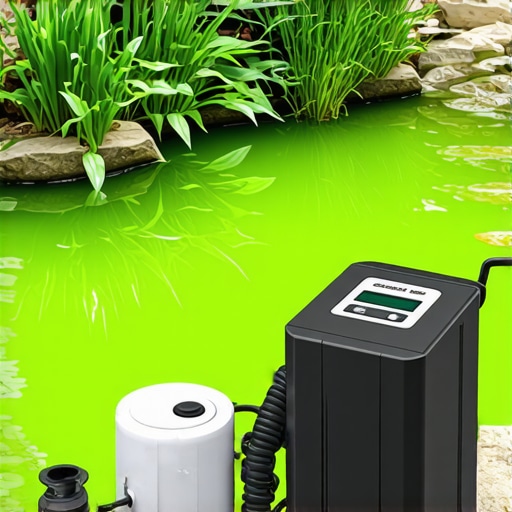
Most backyard ponds fail because the owner treats them like a swimming pool rather than a biological reactor. When I see a pond that looks like thick pea soup, I don’t see a lack of algaecide; I see a structural failure in the nitrogen cycle. I always drill into my new crew members: if you don’t fix the soil grading first, every plant you put in the ground is just expensive compost. The same logic applies to water. If your pond edge is lower than the surrounding lawn, every rainstorm washes nitrogen-rich fertilizer and organic debris directly into your water column. This isn’t just a nuisance; it is a systemic collapse of the aquatic environment. You cannot dump 50 pounds of ‘muck remover’ into a pond and expect it to fix a grading issue that introduces five pounds of silt every time it drizzles. We start by looking at the benthic zone—the bottom of your pond—where the real engineering happens. If you have three inches of anaerobic sludge, your pond is a ticking time bomb of hydrogen sulfide gas. Stop reaching for the bottle and start looking at your mechanical filtration and dissolved oxygen levels. It is about biology, not chemistry.
Why Your Backyard Pond Looks Like Pea Soup
Pond clarity fails when the nitrogen cycle breaks, leading to ammonia spikes and algae blooms. Maintaining clear water without chemicals requires balancing the biological load, ensuring dissolved oxygen levels remain high, and using phytoremediation to starve algae of nutrients like phosphorous. Algae is an opportunist. It survives on two things: sunlight and excess nutrients. If you have an open water surface under direct sun and a floor covered in fish waste, you are essentially running an algae farm. We solve this by introducing competition. We use nitrifying bacteria—specifically Nitrosomonas and Nitrobacter—to convert toxic ammonia into nitrites and then into relatively harmless nitrates. These nitrates must then be consumed by higher plants or removed through water changes. If that cycle is interrupted, the algae will gladly step in to do the job for you, turning your water green in the process.
“A pond is a living breathing organism that requires a balance of mechanical and biological filtration to maintain homeostasis without the intervention of synthetic oxidizers.” – Penn State Agricultural Extension
The Three Pillars of Natural Water Clarity
Clear ponds rely on mechanical filtration to remove debris, biological filtration to house nitrifying bacteria, and UV sterilization or aquatic plants to manage microscopic organisms. This trio prevents the buildup of organic muck that fuels unsightly and hazardous algae growth. First, the mechanical stage: your skimmer. If your skimmer isn’t pulling the top 1/8th inch of water off the surface, it isn’t doing its job. Surface tension holds proteins and dust that need to be stripped before they sink. Second, the biological stage: the bio-falls or bog filter. This is where we maximize surface area. We don’t just throw a few sponges in a box. We use high-surface-area media like expanded shale or ceramic ribbons. Every square inch of that media is a condo for the bacteria we need. Third, the plant stage. Plants are the ultimate nutrient sponges. Without them, the nitrates have nowhere to go but into the cell walls of algae. It is basic math. Remove the food, kill the weed.
How much aquatic plant coverage do I need for clear water?
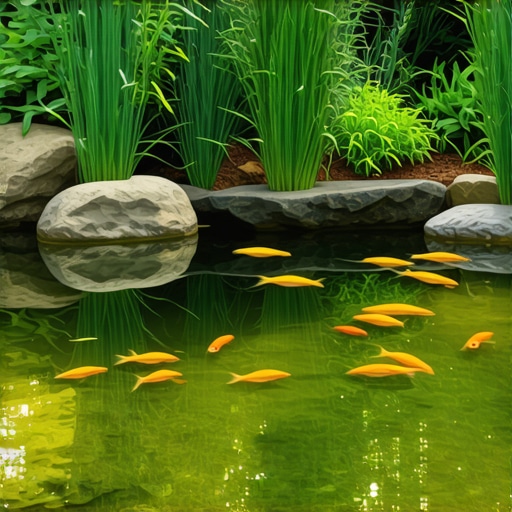
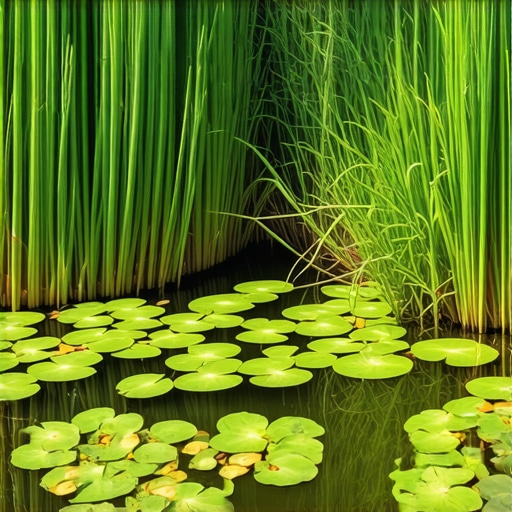
Aim for 50% to 70% surface coverage using a mix of floating plants and lilies to block sunlight. This coverage keeps water temperatures lower and limits the light available for photosynthesis in algae, while marginal plants like iris and rushes strip nitrates from the water column. If you leave your pond surface wide open in July, you are asking for trouble. Water temperatures above 75 degrees Fahrenheit hold significantly less dissolved oxygen, which stresses your fish and slows down the beneficial bacteria you’re trying to grow. Coverage isn’t just for aesthetics; it is a thermal blanket that keeps your biological engine from overheating. Don’t skimp on the lilies.
| Filter Type | Primary Function | Maintenance Frequency | Clarity Impact |
|---|---|---|---|
| Skimmer Basket | Mechanical Debris Removal | Weekly | High (Prevents Sinking Muck) |
| Pressure Filter | Fine Particulate Trapping | Bi-Weekly | Medium (Requires High PSI) |
| Bog Filter | Biological Nitrate Strip | Annually | Extreme (The Gold Standard) |
| UV Sterilizer | Algae Cell Destruction | Seasonally | High (Clears Green Water) |
What is a Bog Filter and why is it superior?
A bog filter is essentially a massive gravel bed planted with aggressive marginal plants that forces water to flow through the root zones. As water moves through the 3/8-inch pea gravel, the roots of plants like Canna Lily or Pickerel Rush act as a biological filter, physically trapping solids and absorbing dissolved nutrients. This is biomimicry at its finest. In a standard pond setup, the water just circulates. In a bog-filtered system, the water is purified. We usually size a bog at 10% to 15% of the total pond surface area. If you build it smaller, it will clog. If you build it right, you’ll never need a bottle of algaecide again. It is the closest thing to a self-cleaning system in the hardscaping world. It will work. Don’t overcomplicate it with fancy gadgets.
“Effective pond management starts with the reduction of phosphorous inputs and the maximization of dissolved oxygen through surface agitation.” – Texas A&M Agrilife Extension
The Professional Maintenance Checklist
To keep a pond clear without chemicals, follow this strict protocol. Failure to maintain the mechanical components will lead to a biological crash. Use this checklist every season:
- Inspect the Skimmer: Empty the basket and check the weir door for smooth movement.
- Test Water Chemistry: Check for Ammonia (should be 0) and Nitrates (below 40ppm).
- Prune Aquatic Plants: Remove yellowing leaves before they drop and rot in the water.
- Monitor Pump Flow: Ensure your pump is turning over the total pond volume at least once per hour.
- Thin the Herd: If you have more than one inch of fish per 10 gallons of water, your bio-load is too high.
- Bottom Aeration: Install a diffused air system if your pond is deeper than four feet to prevent stratification.
- Clean the Pre-filter: Rinse mechanical mats in pond water, never tap water, to save the bacteria.
- Check Edge Grading: Ensure no mulch or soil is washing in during heavy rains.
- Add Beneficial Bacteria: Dose weekly during the spring and summer to keep colonies robust.
- Observe Fish Behavior: If they are gasping at the surface, your oxygen is crashing.
It is important to remember that a pond is a closed system. Everything you put in—fish food, falling leaves, tap water—stays in until it is physically removed or converted into gas. Most homeowners overfeed their fish. If the fish don’t eat it in three minutes, that food is now just fertilizer for algae. Stop overfeeding. Your fish are fine; they can eat the larvae and insects in the pond. High-quality professional grade fish food with low phosphorus is a requirement, not a suggestion. Cheap big-box store food is mostly filler that ends up as waste. Spend the money on the food, or spend the money on the clean-up. Your choice. Usually, the cheapest way to keep a pond clear is to do nothing except provide oxygen and plants. Nature has been doing this for millions of years. It doesn’t need your chemicals. It needs your restraint.
![Build a $60 Solar Powered Bird Bath [2026 DIY]](https://lawnmajesty.com/wp-content/uploads/2026/06/Build-a-60-Solar-Powered-Bird-Bath-2026-DIY.jpeg)