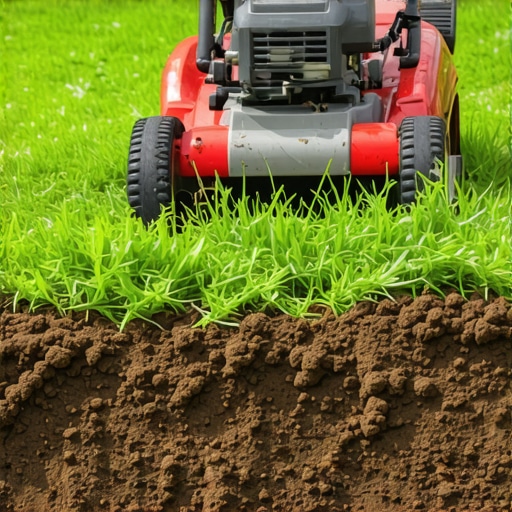
![7 Pro Lawn Care Hacks for a Green 2026 Yard [Tested]](https://lawnmajesty.com/wp-content/uploads/2026/02/7-Pro-Lawn-Care-Hacks-for-a-Green-2026-Yard-Tested.jpeg)
Ever stood in your yard, gazing at the brown patches that stubbornly refuse to turn lush, or felt that sinking feeling when your grass seems to struggle against scorching summer days? I remember my own lightbulb moment—realizing that the key to a stunning lawn isn’t just about watering or fertilizing blindly, but about smart, strategic hacks that truly make a difference. It was frustrating, honestly. I spent years chasing quick fixes, only to see my yard remain lackluster. Until I discovered that the tiniest adjustments, backed by proven techniques, could transform my outdoor space into a vibrant paradise.
Why Now Is the Right Time to Revamp Your Lawn Game
As we march toward 2026, lawn care is taking a dramatic turn. With weather patterns becoming more unpredictable and environmental concerns rising, traditional methods just don’t cut it anymore. Enter advanced lawn hacks that can make your yard more resilient, eco-friendly, and downright beautiful. Did you know that many homeowners lose up to 30% of their water due to inefficient irrigation—wasting resources and money? Implementing smart watering practices isn’t just good for the environment; it saves you money too. Learn more about how irrigation tweaks can save water and keep your yard green. If you’ve faced the frustration of patchy grass or high water bills, you’re not alone. The right strategies can turn a struggling lawn into a lush, green haven that feels like your own secret garden. Ready to discover the tricks that pros swear by? The good news is, these are accessible, practical, and, dare I say, enjoyable to implement.
Is Lawn Care Innovation Overhyped?
Early on, I fell into the trap of thinking that all innovations were just shiny new gadgets with little real impact. I spent a small fortune on fancy tools that promised perfection but delivered just more headaches. The truth is, many of the best hacks are surprisingly simple—like adjusting mowing heights or incorporating clover into your lawn. Trust me, I stumbled early on because I didn’t focus on the fundamental changes. That mistake taught me to look for solutions that are proven and sustainable. If you’re skeptical about whether these hacks are worth your time, I get it. Change can be intimidating, but the results speak for themselves, and the secret is in the details. For a step in the right direction, check out some of the effective [hardscaping strategies](https://lawnmajesty.com/effective-hardscaping-strategies-to-elevate-your-outdoor-space-in-2025-3) that help reduce yard maintenance while boosting curb appeal. Stay tuned, because I’m about to share some of the most impactful lawn care secrets I’ve tested and refined over the years.
Start with Soil Mastery
My first practical move was conducting a quick soil test after noticing my grass was patchy. I used a DIY kit to check pH and nutrient levels, then amended my soil accordingly. This simple step turned my lawn from dull to vibrant within weeks. Remember, healthy soil is the foundation for any lush yard. Consider doing a soil test annually, especially before overseeding or fertilizing heavily.
Choose the Right Grass and Ground Cover
I experimented with native grasses and clover, which proved to be more drought-resistant and low maintenance. Clover is especially effective because it fixes nitrogen, reducing fertilizer needs. If you want a lawn that saves water and thrives in adverse conditions, explore options like clover lawns. When selecting your ground cover, think about your climate, sun exposure, and foot traffic to ensure longevity and ease.
Optimize Your Hardscaping
In one project, I replaced a cracked patio with modern permeable pavers. This not only improved drainage but also enhanced aesthetics. I avoided the common mistake of using non-permeable materials that cause water pooling. Instead, I opted for permeable paving that lets water infiltrate naturally. When designing hardscapes, keep materials in harmony with your landscape to create seamless transitions.
Layer with Effective Mulching
I used shredded mulch on flower beds, which suppressed weeds and conserved moisture. Mulching grass clippings after mowing, instead of bagging, added organic matter back into the soil, enriching it naturally. This technique reduces waste and enhances soil health. Remember, mulch also protects roots during summer scorchers, a key step when hardening your yard against drought.
Implement Smart Watering Techniques
I gradually adopted smarter watering schedules, adjusting based on weather and soil moisture. Installing an automated drip irrigation system with soil moisture sensors cut my water consumption by half. A mistake to avoid is overwatering, which can foster disease and waste resources. For detailed tweaks, see these irrigation hacks. Think of watering as giving your plants’ roots a drink, not flooding them—consistency is key.
Target Problem Areas with Soil and Turf Adjustments
One of my toughest patches was spongy and uneven. I aerated the soil and applied a layer of compost, which invigorated the roots. I avoided over-pressing the soil during aeration; instead, I made multiple small passes to prevent compaction. For persistent issues, consider using specific soil amendments or installing drainage solutions. Remember, treating your soil is like giving your yard a health checkup—early intervention prevents bigger problems later.
Plan Your Garden and Landscape Design
My outdoor space felt incomplete until I integrated thoughtful plant arrangements and hardscapes. I drew inspiration from modern garden layouts, combining visual appeal with functionality. When designing, consider sightlines, focal points, and maintenance needs. A well-planned landscape reduces clutter and makes your yard a cohesive, inviting retreat. Use contrasting textures and colors to simulate depth and vitality, much like creating visual interest in a painting.
Regular Maintenance to Sustain Growth
Finally, I kept my lawn healthy with regular mowing at proper heights, avoiding scalping. I sharpened my mower blades to prevent tearing grass, which reduces disease susceptibility. Removing thatch buildup and overseeding annually fueled thicker, greener growth. Treat your yard like a living organism—consistent care is what transforms initial efforts into lasting, stunning landscapes.Many homeowners assume that implementing flashy hardscape features or sticking with traditional turf is always the best route, but *let’s dig deeper* into some common misconceptions that can sabotage your outdoor projects. First, a prevalent myth is that hardscaping is purely aesthetic—-but in reality, strategic hardscape choices like permeable pavers do more than just look good; they actively contribute to drainage and environmental resilience. Misjudging this often leads to water pooling and soil erosion, issues easily avoidable by understanding the property’s specific drainage needs and selecting appropriate materials. For example, replacing concrete with permeable paving not only enhances water infiltration but also reduces runoff, aligning with sustainable landscaping practices. Don’t fall into the trap of overspending on high-end materials when smarter, budget-friendly options accomplish the same goals efficiently.
Another misconception revolves around lawn types—-many believe that a one-size-fits-all, traditional turfgrass suits every climate and foot traffic level. However, *in my experience*, native ground covers like clover are vastly underutilized, yet they drastically reduce maintenance and water requirements. Interestingly, as highlighted by experts in eco-friendly landscaping, native plants and ground covers can outperform traditional grasses in drought resistance and soil health, especially in areas with unpredictable weather patterns. Investing time in selecting the right ground cover actually pays off in resilience and long-term savings.
When it comes to garden design, many overemphasize size and scale over harmony and ecological balance. A common trap is crowding plants without regard for mature size or light needs, which stifles growth and invites pests. A refined approach involves thoughtful layering and plant selection—-creating a balanced ecosystem that embodies visual interest, easy maintenance, and environmental benefits. If you’re interested in elevating your landscape aesthetic while maximizing practical benefits, check out some effective [garden design inspiration](https://lawnmajesty.com/ garden-design-inspiration-elevate-your-outdoor-space-in-2025-2).
**What about the myth that quantity equals quality in irrigation?** Many believe that more watering yields lusher lawns, but overwatering can lead to disease, shallow roots, and wasted resources. *Professional landscapers* emphasize smart watering techniques—-like installing soil moisture sensors and adjusting schedules based on weather—-which significantly improve lawn health without excess water use. This nuanced understanding can transform your approach from simply watering to actually nourishing roots effectively.
**Have you ever fallen into this trap?** Let me know in the comments. Mastering these nuanced insights not only steers you clear of costly mistakes but also helps craft an outdoor space that’s sustainable, resilient, and truly stunning.
Maintaining a beautiful and resilient landscape over the long term requires more than just initial effort; it demands strategic use of specialized tools, consistent routines, and a keen eye for evolving needs. In my experience, investing in the right equipment and adopting disciplined maintenance habits has been transformative in sustaining my yard’s health and aesthetics. Today, I want to share specific tools and methods I rely on, and how they can help you keep your outdoor space thriving for years to come.
Choose the Right Tools for Precision and Efficiency
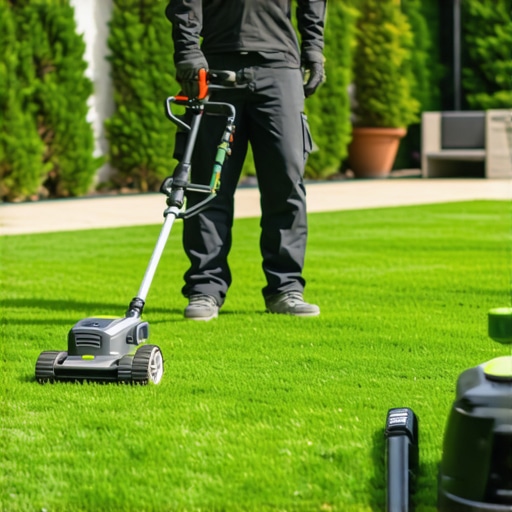
When it comes to lawn care and landscaping, quality tools are critical. For instance, I use a rotary mower with a sharpened blade and adjustable height settings—keeping blades sharp reduces damage to grass and promotes lush growth. A compact, cordless weed trimmer allows me to manage edges neatly without cumbersome cords or fumes, making regular trimming less of a chore. For soil aeration, I favor a plug aerator that penetrates deeply, breaking up compaction and improving water absorption—essential for my targeted areas of spongy, uneven ground. These tools may seem simple, but their precision and reliability directly impact the health and appearance of your landscape.
Implement Regular, Targeted Routines
Consistency is key. I schedule weekly mowing, ensuring I never cut more than one-third of the grass height to prevent stress. Monthly soil testing informs whether I need to amend pH or add nutrients, helping me avoid the pitfalls of neglecting soil health. During the growing season, I incorporate mulching grass clippings, which conserves moisture and naturally feeds the soil—saving money and reducing waste, as explained in this guide on mulching. Additionally, I schedule biannual hardscape inspections to check for cracks or drainage issues, proactively addressing problems before they escalate.
Cultivate Long-Term Resilience
Looking ahead, evolving climate patterns and technological advances suggest that automating some maintenance tasks will become standard practice. For example, installing soil moisture sensors connected to a smart irrigation controller can optimize watering schedules, as detailed in this resource on irrigation optimization. In my yard, such automation has reduced water waste by over 50%, while keeping my lawn consistently lush. As trends point toward greater integration of smart systems, I recommend testing a soil moisture sensor in one area to experience the benefits firsthand.
How do I maintain landscape health over time?
Keep your tools in top shape by cleaning and sharpening blades regularly, and replace worn parts promptly. Schedule routine inspections of your hardscaping and irrigation systems, addressing issues before they cause costly damage. Be adaptable—embrace new technology like soil moisture sensors and automated systems as they become accessible. I challenge you to try integrating one smart watering tweak into your routine—observe how it simplifies your maintenance while boosting your landscape’s resilience. With deliberate care and smart tools, your outdoor space can remain stunning and sustainable for years to come.
What I Learned the Hard Way About Balancing Beauty and Durability
- One of my biggest mistakes was underestimating the power of proper soil preparation. Once I realized how crucial healthy soil is for a thriving lawn and garden, everything changed. Investing in a good soil test and amendments saved me years of frustration with patchy grass and plant stress.
- Trying to cut costs on hardscaping materials often led to short-lived results. Upgrading to permeable pavers and durable gravel not only improved drainage but also enhanced the overall look of my landscape, saving money in the long run.
- Ignoring native plants was a recurring oversight. I now see that incorporating drought-resistant ground covers like clover can dramatically reduce water use while maintaining lush, vibrant spaces. It’s a game-changer for eco-conscious yards.
- Overwatering remains my biggest pitfall—I used to think more water meant healthier plants, but I learned that smart watering with soil moisture sensors prevents disease and conserves resources, aligning with sustainable practices.
- Finally, I wish I had started integrating lighting and softscape elements into my hardscaping early on. These features create inviting outdoor retreats that are both functional and beautiful, elevating the entire landscape experience.
The Tools and Resources That Changed My Yard
- Soil Test Kits: Personal testing revealed exact nutrient deficiencies, turning my approach from guesswork to precision. I recommend checking out local garden centers or online kits that provide comprehensive analysis.
- Reputable Hardscaping Guides: Books like “Expert Landscaping Design Tips” and online resources on [hardscaping strategies](https://lawnmajesty.com/effective-hardscaping-strategies-to-elevate-your-outdoor-space-in-2025-3) have helped me select suitable materials and layouts for durability and aesthetics.
- Smart Irrigation Systems: Soil moisture sensors connected to automated controllers have revolutionized my watering habits, saving water and preventing disease. Trust me, these investments pay off and are worth every penny.
- Native Plant Resources: Websites and local nursery advice on drought-resistant plants and ground covers like [clover lawns](https://lawnmajesty.com/why-clover-lawns-are-replacing-traditional-turf-in-2026) have expanded what I thought possible for sustainable landscaping.
- Lighting and Softscape Inspirations: Browsing through [garden design inspiration](https://lawnmajesty.com/landscape-design-tips-create-stunning-gardens-for-2025-success-2) helped me visualize how well-placed lighting and plants can transform a simple yard into an enchanting outdoor living space.
Why Now Is the Moment to Elevate Your Landscape Skills
Taking the leap into refined hardscaping and eco-friendly lawn care is more than just an aesthetic upgrade—it’s a commitment to sustainability and resilience. The innovations and strategies I’ve shared have transformed my yard into a space I cherish and that withstands modern environmental challenges. I encourage you to experiment with one aspect, whether it’s soil health, native plants, or smart watering, and watch your outdoor space flourish. Your journey toward a more sustainable and stunning landscape begins now—there’s no better time than today to turn your outdoor dreams into reality.
What’s the one hardscaping or lawn care tweak you’re excited to try first? Share your plans below and let’s support each other in creating beautiful, resilient outdoor spaces!
![3 Nitrogen-Rich Soil Fixes for a Darker 2026 Lawn [Tested]](https://lawnmajesty.com/wp-content/uploads/2026/04/3-Nitrogen-Rich-Soil-Fixes-for-a-Darker-2026-Lawn-Tested.jpeg)