I vividly remember the first time I tried to overhaul my neglected backyard. I was full of enthusiasm but soon found myself overwhelmed by conflicting advice and a sense that I was missing the crucial modern techniques that could really make a difference. Maybe you’ve felt the same way—tired of pouring time and money into your outdoor space only to see stagnant results or, worse, declining health in your lawn and gardens.
Why Modern Lawn Care and Landscaping Matter More Than Ever in 2025
In today’s fast-evolving outdoor design world, staying ahead with the latest tips and techniques can be the difference between a yard that impresses and one that disappoints. The truth is, traditional methods no longer cut it; they often lead to wasted resources and frustration. With the surge of innovative hardscaping and landscape ideas, there’s never been a better time to modernize your approach. I’ve learned from my early mistakes—like neglecting soil health or choosing the wrong hardscape Materials—that small missteps can have big repercussions down the line.
According to recent research, modern techniques can boost water efficiency by up to 30% and significantly cut maintenance time, giving you more free weekends to enjoy your outdoor sanctuary. If you’ve ever wondered whether those trendy landscape ideas are actually worth the hype, you’re not alone. Embracing the right strategies can redefine your outdoor space, making it a true extension of your home.
So, are you ready to ditch outdated methods and learn what really works in 2025? Let’s dive into the practical steps to upgrade your lawn and landscape, starting with the essentials that set the foundation for stunning results.
Is Investing in Modern Landscaping Ideas Worth It
I admit, I was cautious at first—spending on new hardscaping features seemed risky. But early on, I overlooked the mistake of ignoring quality materials, which led to costly repairs later. Now, I know better. You can explore some of the top hardscaping ideas for 2025 that not only look great but are built to last. Starting with the right foundation ensures your efforts pay off and your outdoor space remains stunning for years to come. If you’ve faced similar setbacks or doubts, remember—you’re not alone, and the right guidance can make all the difference.
Lay a Strong Foundation with Quality Soil and Planning
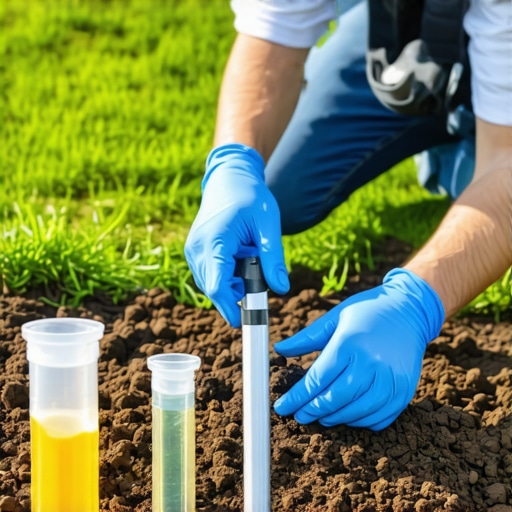
My first mistake was skipping thorough soil testing, leading to poor growth and wasted resources. To avoid this, start by testing your soil’s pH and nutrient levels using a DIY kit or professional service. Amend deficient areas with compost or organic fertilizers to boost fertility. Think of this step as laying a solid base for a building—everything depends on it. Mark out your garden beds and hardscape areas accurately with stakes and string, creating a detailed blueprint. This planning stage prevents costly mistakes later and ensures your design flows smoothly. Remember, a well-planned layout sets the stage for efficiency and aesthetic appeal.
Clear, Level, and Prepare the Land
Next, remove existing vegetation and debris to create a clean canvas. Use a wheelbarrow and a garden fork or tiller to loosen compacted soil where necessary. Level uneven patches with a rake or a mechanical grader for faster results. Think of this process like sanding a rough surface before painting—it makes all subsequent steps look cleaner and last longer. Incorporate organic matter into the topsoil—like compost or aged manure—to enhance soil structure and drainage. Proper land preparation reduces future issues like erosion or water pooling and makes planting or hardscaping more manageable.
Select and Install Hardscaping Elements
Hardscaping brings structure and durability to your outdoor space. Start by choosing materials that complement your overall design—think modern concrete, natural stone, or sleek pavers. For example, I used large, flat slate tiles for my patio, which provided a contemporary feel and easy maintenance. When installing, lay a compacted gravel base topped with a layer of sand for stability. Use a rubber mallet or level to ensure even surfaces. The key is precision; a crooked pathway or uneven patio will detract from your design. Consider integrating free-draining features like permeable pavers to improve water management, which can be a game-changer during heavy rain.
Tip for Success: Use geometrical patterns or contrasting materials to add visual interest. For further ideas, explore these modern hardscaping ideas.
Plant for Style, Sustainability, and Ease
Select plants that suit your climate, soil, and sunlight conditions. I focused on native species, which require less water and care, like drought-tolerant succulents and hearty perennials. Group plants with similar needs together and assign them appropriate spots—sun-loving plants on the south side and shade-tolerant varieties underneath trees. To mimic the layered look I achieved, plant taller shrubs at the back and shorter ground covers in front. Use mulch to conserve moisture and suppress weeds, making maintenance easier. Incorporate edible plants or pollinator-friendly flowers to add value and ecological benefits.
Incorporate Innovative Features
Upgrade your outdoor space with modern elements like outdoor lighting, water features, or seating areas. Solar-powered lights along pathways can highlight your hardscape features at night. Installing a small, modern fountain transformed my yard into a calming retreat—plus, it attracts birds and beneficial insects. Think of these features as jewelry for your landscape; they enhance beauty while adding functional benefits. Plan their positions carefully to maximize impact and ensure easy access for maintenance.
Maintain and Evolve Your Landscape
Regular care cements your hard work. Schedule seasonal pruning and fertilization based on your plant choices. Use mulch to keep soil moist and control weeds, reducing upkeep. Monitor your irrigation system to prevent overwatering, especially if you’ve laid permeable pavements. Over time, adapt your landscape by introducing new plant varieties or refreshing hardscape accents to keep it lively and modern. Remember, a landscape isn’t static—it’s an evolving canvas that reflects your lifestyle and creativity.
,Many enthusiasts and even seasoned landscapers fall prey to misconceptions that can hinder the true potential of a garden project. For example, a widespread myth is that more water always results in a greener lawn. In reality, overwatering can suffocate roots, promote fungal diseases, and lead to runoff issues. According to a study by the University of Florida, understanding your soil’s specific needs is crucial—applying excess water dilutes essential nutrients and weakens plant health. Instead, focus on tailored irrigation based on soil moisture levels; this precise approach ensures healthier growth while conserving resources.
Why Do Some Hardscaping Materials Perform Better Over Time Despite Higher Costs?
Many believe that choosing the cheapest materials guarantees savings, but in my experience, durability and aesthetic appeal often justify premium options. High-quality natural stone or permeable pavers might cost more initially, but they resist weathering and reduce maintenance costs in the long run. For instance, exploring these modern hardscaping ideas can reveal options that combine style with longevity, preventing costly replacements later. Keep in mind, investing in the right hardscape foundation is essential for a stunning and sustainable outdoor space. A common oversight is neglecting soil preparation beneath hardscaping features, which can cause settling or cracking over time. Properly compacted base layers and geotextile fabrics provide stability, ensuring your hardscape remains pristine for years. Don’t fall into the trap of rushing the installation — meticulous groundwork pays dividends. An often overlooked aspect of landscape design is plant placement; many people think of aesthetics first, but understanding plant requirements and microclimates leads to more sustainable, low-maintenance gardens. Native plants often outperform exotic species in local conditions—reducing water use and pest issues. By grouping plants with similar needs, you can optimize irrigation and soil amendments, leading to healthier, longer-lasting gardens. For advanced gardeners, asking how microclimates influence plant success is vital. For example, areas shaded by structures or trees can support shade-loving species, while exposed spots suit sun-tolerant varieties. This strategic positioning enhances garden resilience and beauty. Have you ever fallen into this trap? Let me know in the comments. Remember, mastering these nuanced details transforms good intentions into outstanding results, turning your outdoor space into a true sanctuary.
Keep It Working: My Top Tools for Lasting Landscape Care
Maintaining a stunning outdoor space requires more than just good design—it hinges on having the right tools and methods to keep everything in top shape. Over the years, I’ve curated a set of equipment and techniques that have truly made a difference in my garden’s longevity and beauty.
First, invest in a high-quality cordless string trimmer, like the Stihl FSA 130. Its lightweight design and powerful battery ensure quick, clean edge trimming without the hassle of cords or frequent fuel refills. I personally prefer this model for its durability and ease of use, especially when shaping flower beds or clearing overgrown grass. For pruning, a pair of sharp, ergonomic pruning shears is essential. Opt for bypass shears instead of anvil-style—they provide cleaner cuts, reducing plant stress and promoting rapid healing.
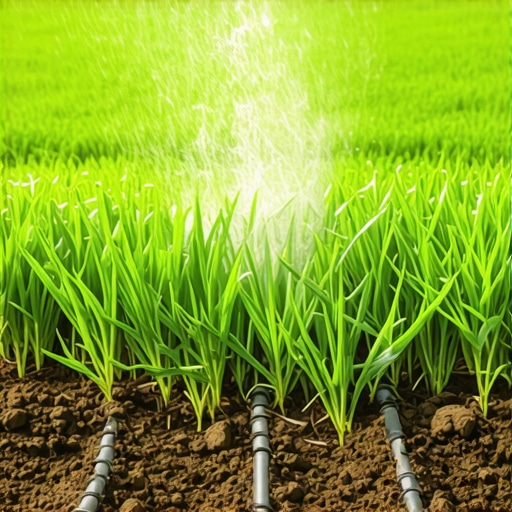
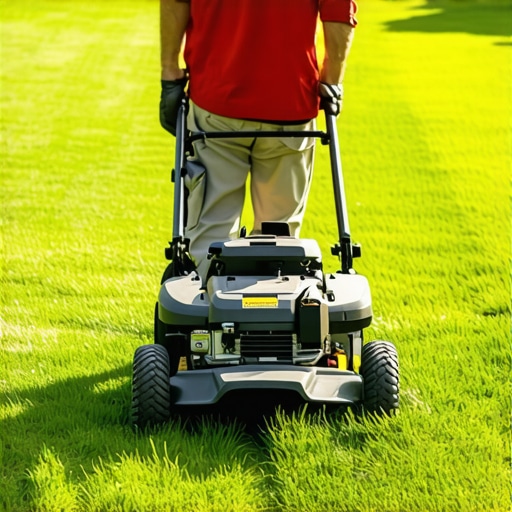
Watering is often overlooked but vital. I recommend incorporating a smart drip irrigation system that integrates with your smartphone. For example, the modern landscape irrigation solutions now adapt to weather patterns and soil moisture, conserving water and reducing runoff. As someone who struggled with uneven watering in my early days, I can attest that smart systems simplify maintenance and improve plant health. Additionally, for lawn mowing, a robotic mower like the Husqvarna Automower keeps my grass perfectly trimmed with minimal effort, freeing up time for other garden projects.
In terms of soil and plant care, a reliable digital soil tester helps monitor pH and nutrient levels accurately. I use the XL Pro Soil Test Kit, which provides detailed readings that guide my amendments. Healthy soil is the backbone of a thriving landscape, and regular testing prevents nutrient deficiencies that can compromise your garden’s lifespan.
How do I maintain my garden tools and systems over time?
Regular maintenance is key. Clean and sharpen pruning shears after every use to prevent disease spread. Lubricate moving parts of your irrigation components annually to prevent blockages. Store tools in a dry, organized space—consider a dedicated garden shed. For your irrigation system, check for leaks or clogs at the start of each growing season, and replace worn-out drip emitters promptly. Keep an eye on battery-powered tools; replace batteries every few years or when performance drops. This routine ensures your equipment remains efficient and ready for the season ahead.
As technology advances, I anticipate more integrated systems that combine soil health monitoring, weather forecasting, and automatic adjustments for watering and fertilization—making garden maintenance almost self-sustaining. To stay ahead, try implementing one innovative tool or system this season, like a smart irrigation controller, and observe how it transforms your upkeep routine.
Feeling inspired? Consider upgrading your watering methods with a smart irrigation system. Not only will it save time, but it’ll also promote healthier, more resilient plants. Embrace these tools, and your landscape will continue to impress well into the future!
,
Hidden Pitfalls: The Surprising Mistakes I Made
One of the most valuable lessons I learned was that overestimating my soil’s health without proper testing set me back months. Skipping this step led to unhealthy plants and wasted resources. Now, I always start with soil tests, which I trust to be accurate and insightful.
I also discovered that rushing hardscaping installation without a solid foundation causes long-term issues. Investing time in proper base preparation and choosing durable materials has saved me from costly repairs and replacements.
Another insight: native plants outperform exotic species in my climate, requiring less water and care, which aligns perfectly with sustainable practices and easy maintenance. This realization changed my planting approach completely, making my garden more resilient and eco-friendly.
Lastly, I underestimated the importance of strategic plant placement and microclimate considerations. Understanding which plants thrive in specific spots has transformed my garden into a vibrant, harmonious space that evolves beautifully over time.
My Go-To Resources for Modern Landscaping
For inspiration and practical advice, I regularly visit Lawn Majesty’s hardscaping ideas—they provide innovative ideas that truly stand the test of time. To fine-tune my soil, I rely on the modern landscape design tips which combine aesthetics with sustainability. When choosing tools, I trust brands like Stihl and Husqvarna for their durability and performance, which are backed by detailed reviews on these expert sites. Lastly, books like “The Well-Tempered Garden” have enriched my understanding of planting techniques that create harmony and beauty in any landscape.
Growing Your Garden, Growing Yourself
Your outdoor space is an extension of your personality and lifestyle—don’t be afraid to experiment and refine your approach. Every mistake is a stepping stone toward mastery, and with the right knowledge and tools, you can create a garden that invigorates your soul. Imagine a yard where every stone, plant, and pathway reflects your unique style and eco-conscious values. Take small steps today, and watch how your outdoor canvas transforms into a sanctuary that brings joy all year round.
What has been your biggest challenge in upgrading your outdoor space? Share your story below—I’d love to hear how you’re making your landscaping dreams a reality!
,
![4 Culpeper VA Thatching Fixes for a Firmer 2026 Lawn [Tested]](https://lawnmajesty.com/wp-content/uploads/2026/03/4-Culpeper-VA-Thatching-Fixes-for-a-Firmer-2026-Lawn-Tested.jpeg)