I remember the moment vividly. It was last summer, standing in my backyard, staring at my patchy, half-dead lawn while the relentless sun beat down mercilessly. The grass had turned brittle and brown, and watering it felt like pouring water onto a sinking ship. That’s when I had my lightbulb moment: if I didn’t rethink my garden design now, the coming summers—particularly 2026—might spell the end of lush, green spaces in our hot, dry climate.
Why Planning for Drought-Proof Gardens Is No Longer Optional
With climate patterns shifting, droughts are becoming more severe and prolonged. Experts warn that by 2026, many regions will experience what’s called a “mega-drought,” affecting everything from agriculture to urban landscaping (source: Nature Journal). It’s a stark reality we need to face—our beloved green spaces are at risk. But here’s the thing: you don’t have to surrender to the dry season. I’ve learned that choosing the right hardscaping and landscaping strategies can transform your yard into a resilient oasis, even under extreme conditions.
Is Hardscaping Truly a Game-Changer or Just a Trend?
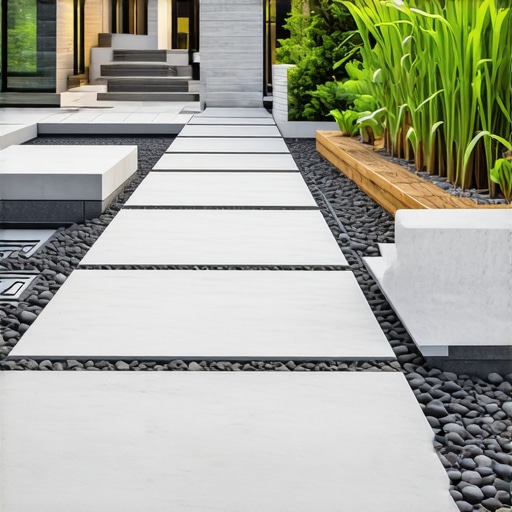
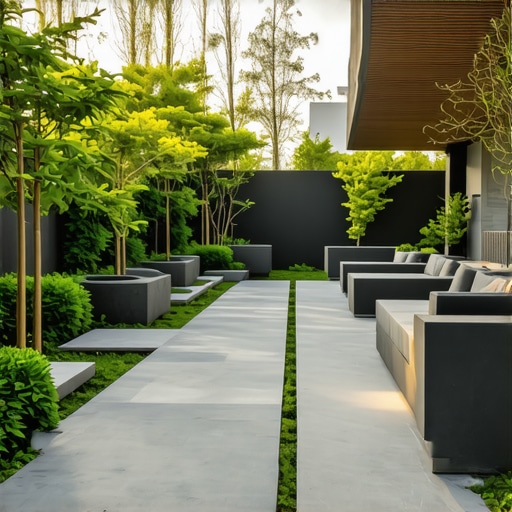
Initially, I was skeptical. I worried that embracing stones and concrete would make my garden look cold or uninviting. Honestly, my early mistake was underestimating the power of modern hardscaping ideas. When done right, they not only reduce water consumption but also add aesthetic appeal. I’ve found that integrating carefully selected stone layouts and minimalist features creates an environment that’s both beautiful and sustainable. Curious how this transformation can work in your space? Dive into effective hardscaping strategies and see how they can redefine your outdoor living today. For fresh inspiration, check out garden design ideas that elevate any garden’s resilience.
Establish Your Hardscape Foundations
Begin with a clear plan. Measure your yard and identify areas where water drains poorly or soil erodes easily, akin to mapping a battlefield before deployment. Use a level and tape measure to outline where pathways, patios, or retaining walls will go. During my own project, I drew rough sketches on graph paper, marking zones for stones and concrete, which made the actual laying process smoother and less messy.
Choose Durable Materials Wisely
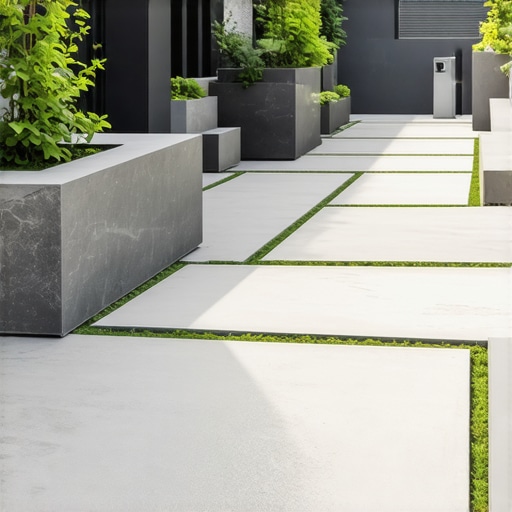
Opt for materials that can withstand dry conditions, like natural stone, permeable pavers, or recycled concrete. Think of it as selecting armor for your landscape — the right choice prevents costly repairs later. I experimented with different gravel and brick combos, watching some settle unevenly; this taught me to prioritize compacted base layers and quality materials, ensuring longevity. For further ideas, explore modern hardscaping ideas.
Implement Smart Drainage Solutions
Proper drainage is crucial to prevent water pooling and soil erosion. Use grading techniques to redirect water away from structures, similar to channeling water in a garden’s natural slope. I installed a simple French drain using perforated pipe and gravel, which, despite some initial clogging, significantly improved water flow. Incorporate steps like adding gravel beds or installing dry creek beds to manage runoff effectively. For detailed drainage fixes, see drainage tips.
Create Multi-Functional Spaces with Hardscaping
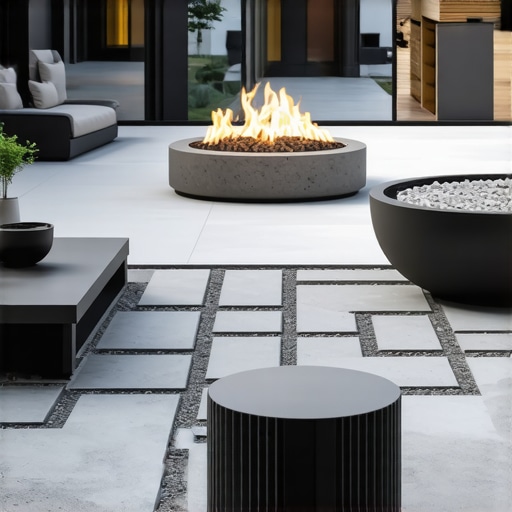
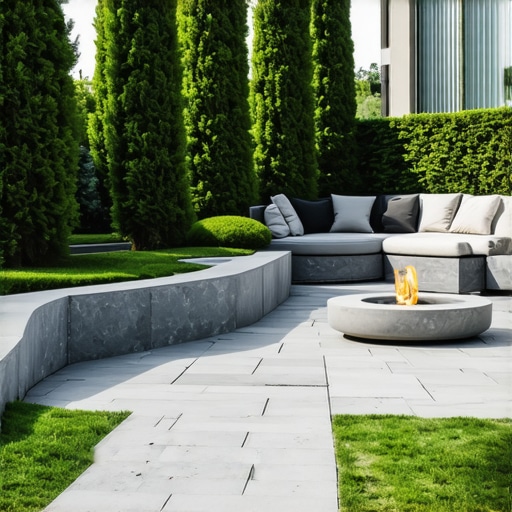
Design areas that serve multiple purposes — a patio for lounging, with integrated fire pits or outdoor kitchens, acts as both entertainment and relaxation zones. I set up a modular stone seating area that doubled as a pathway, which saved space and added visual interest. Think of your yard as a Swiss Army knife: each element should work together to maximize utility and aesthetics. Look into outdoor kitchens for inspiration.
Integrate Water-Wise Landscaping Into Hardscape Plans
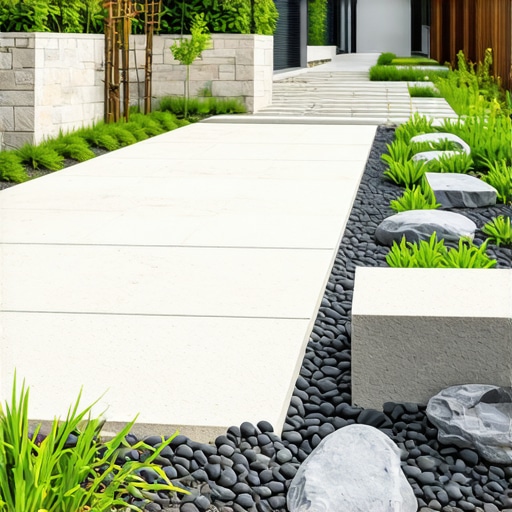
Pair hardscapes with drought-tolerant plants and native species to reduce water needs. Replacing traditional lawns with clover or artificial turf minimizes irrigation without sacrificing green appeal. I tested different ground covers, noting that some retained moisture better and required less mowing. Remember, integrating smart planting alongside your hardscape reduces water consumption and complements your design. See clover lawns for more ideas.
Finish with Detail and Maintenance
Seal pavers to prevent weed growth and stain penetration, much like applying a protective coat to your skin. Regular sweeping and minor repairs keep your hardscape looking fresh. I learned that proactive maintenance prevented my stones from shifting or cracking, saving time and money in the long run. Use gravel fills or joint sand to stabilize uneven joints, ensuring the whole structure remains sturdy. For maintenance hacks, check hardscaping maintenance tips.
Many homeowners assume that sticking to conventional lawn care and landscaping advice guarantees great results, but that’s a misconception. One common mistake is over-relying on aesthetic features without considering long-term resilience; for instance, choosing ornamental plants that require excessive watering, which can backfire during droughts (see modern lawn care tips). Additionally, a widespread myth is that hardscape materials are maintenance-free—nothing could be further from the truth. Materials like natural stone do require sealing and occasional cleaning to prevent staining and cracking, especially in harsh climates. Preparing for this before installation will save you time and money later.
A crucial nuance often missed is the importance of proper grading and drainage. Many enthusiasts neglect this aspect, leading to water pooling and soil erosion, which damage both plant roots and hardscape foundations. Advanced landscapers master grading techniques that mimic natural slopes, effectively directing runoff away from structures, reducing maintenance, and prolonging the lifespan of your outdoor investments (see innovative hardscaping ideas for inspiration).
What most people overlook is how the choice of plants and hardscape elements interact. Native drought-tolerant species paired with permeable paving can dramatically reduce water bills and improve sustainability. Yet, many underestimate the added benefits of such integrations. For example, planting in shaded areas beneath a pergola not only conserves moisture but also creates cooler microclimates. Expert advice suggests that blending organic and inorganic elements, rather than isolating them, results in a more resilient and visually appealing landscape, as detailed in landscape design tips.
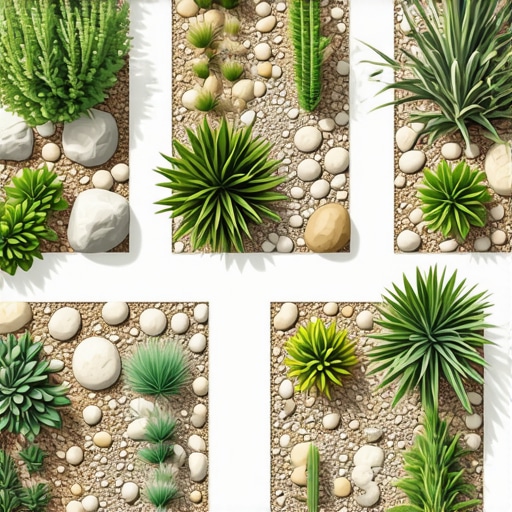
Now, let’s address a question that advanced landscapers often ask: How can I optimize my hardscape layout for climate adaptability without sacrificing style? The answer lies in understanding regional weather patterns and selecting materials and plantings that complement them. For example, incorporating gravel beds with larger stones helps manage extreme heat and water runoff, while choosing native succulents minimizes irrigation needs (hardscaping trends). Remember, the devil is in the details—consistent maintenance and thoughtful design are the keys to sustained beauty and function.
Have you ever fallen into this trap? Let me know in the comments.
Keeping Your Garden in Top Shape: Tools and Practices
To maintain a thriving, drought-resistant landscape, having the right tools and a consistent routine is crucial. I rely on a few proven equipment pieces that make all the difference in ensuring my hardscaping and plantings stay pristine and functional. First and foremost, a high-quality cordless leaf blower, like the Makita XBU03Z, helps me clear debris efficiently without disturbing delicate new plantings or hardscape features. Its portability and quiet operation make it a staple for quick cleanups after storms or routine maintenance.
For soil health and aeration, I prefer using a manual lawn aerator. Unlike motorized versions, a solid spike aerator allows for targeted, precise work, especially around existing native plants. Regular aeration prevents soil compaction, promoting better water infiltration and root growth—something I learned from expert advice.
Given the increasing importance of water conservation, installing a smart irrigation controller like the Rachio 3 helps me automate watering schedules based on weather forecasts. This not only reduces water waste but also keeps my drought-tolerant plants healthy during dry spells.
How do I maintain hardscaping and landscaping tools over time?
Proper maintenance extends the lifespan of your equipment and keeps it performing at its best. I always clean my power tools immediately after use, removing dirt and debris that can cause corrosion or jams. For manual tools, regular sharpening and oiling prevent rust and ensure clean cuts or effective aeration. Lubricating moving parts, especially on sprinklers and soil tillers, reduces wear and tear, saving money in the long run. Testing your irrigation controllers seasonally ensures they operate correctly, which is vital for maintaining drought-resistant landscapes and optimizing water use.
Looking ahead, I predict that smart garden management systems will become even more integrated, combining sensors, AI analytics, and automation. This will make long-term garden maintenance more efficient and customizable. For instance, using soil moisture sensors connected to automation can help you adapt watering schedules dynamically, preventing both over- and under-watering. Implementing these tools now will prepare your landscape for the challenges of climate change and help you save time and resources.
Don’t hesitate to experiment with these advanced maintenance tips and tools. For example, try installing a smart irrigation system this season to see immediate water savings and healthier plants. Regularly evaluating and upgrading your toolkit is the best way to keep your garden resilient and beautiful for years to come.
3 Hidden Pitfalls That Nearly Cost Me My Garden’s Future
- Ignoring Native Plants: I realized too late that integrating native, drought-tolerant species was crucial. Conventional plants demanded excess water, undermining my efforts during dry spells.
- Neglecting Maintenance Routines: Regular sealing, cleaning, and inspection of my hardscaping prevented costly repairs and preserved aesthetic appeal, saving me time and money.
- Overlooking Proper Grading: Proper drainage planning was a game-changer — neglecting it led to water pooling and erosion, threatening both my plants and hardscape integrity.
Tools and Tips That Changed My Approach
Building a resilient, beautiful garden didn’t happen by chance. My trusted toolkit includes a quality cordless leaf blower for quick debris clearance, a manual lawn aerator for targeted soil health, and a smart irrigation controller like Rachio 3 to optimize water use intelligently. Regular maintenance of these tools ensures longevity and performance, making garden care more efficient and less stressful. Looking ahead, embracing smart soil sensors and AI-driven irrigation systems will further elevate my garden’s resilience against climate challenges, and I encourage you to explore these innovations to future-proof your outdoor space.
Your Garden’s Next Chapter Starts Today
Creating a drought-proof, stunning outdoor area isn’t just an investment in property value—it’s a commitment to sustainability and your personal sanctuary. With thoughtful hardscaping and strategic plant choices, you can turn your yard into a dependable oasis, regardless of weather extremes. Now is the perfect moment to rethink, redesign, and embrace innovative gardening practices. Are you ready to transform your landscape into a resilient masterpiece? Share your plans or questions below—I love hearing how others are making their outdoor dreams a reality.