
Have you ever looked out your window and been greeted by patches of sickly, brown grass that just won’t bounce back, no matter how much water or fertilizer you throw at it? I remember the moment I realized my lawn was struggling—stubborn, dull, and slowly dying—despite following all the conventional tips I found online. That lightbulb moment led me down a rabbit hole of research, experiments, and a lot of hard lessons.
Confronting the Turf Decay Nightmare
As a passionate gardener, I found it heartbreaking to see my once lush, vibrant lawn deteriorate year after year, especially with the looming threat of Stop 2026 Turf Decay. What’s truly frustrating is that traditional approaches—more fertilizer, watering, and aeration—sometimes just aren’t enough. That’s when I discovered that understanding and improving soil health through bio-stimulants can make a real difference. Today, I want to share with you four bio-stimulant soil fixes that have transformed my yard and can do the same for yours.
Is Bio-Stimulant Soil Fixes Overhyped or Actually Effective?
Early on, I made the mistake of dismissing organic soil amendments as mere hype. I spent a lot on expensive fertilizers before realizing that my soil lacked the natural microbiome to support healthy turf growth. Learning from that mistake, I turned my attention to scientifically-backed bio-stimulants that boost soil vitality naturally—an approach I now swear by. If you’ve been skeptical, you’re not alone, but I promise these solutions are worth trying, especially if you’re battling persistent turf decay.
Apply Organic Soil Amendments Carefully
Start by aerating your lawn to create space for your amendments. I once used a spike aerator on a weekend morning, poking holes in the compacted soil. Afterward, I spread organic compost and bio-stimulants like seaweed extract over the surface, then gently worked them into the soil with a rake. This process boosts soil microbial activity, encouraging healthier root development. Regularly incorporating organic matter enriches the microbiome, leading to denser, greener grass. For more advanced aeration tactics, check out this guide.
Choose the Right Bio-Stimulants
Not all bio-stimulants are equal. Look for products containing beneficial microbes like mycorrhizal fungi and nitrogen-fixing bacteria. I experimented with a microbial inoculant purchased from my local garden store. After applying it as directed and watering thoroughly, I noticed my grass’s color deepening within a few weeks. These microbes improve nutrient uptake and promote resilience against stresses like heat and disease. When selecting a product, ensure it’s tailored for turfgrass and compatible with organic practices. Implementing this step consistently will build a robust soil ecosystem. To explore more options, visit this comprehensive list.
Nurture the Microbiome with Feeding Strategies
Feeding your soil microbial life is crucial. During a summer after a heavy rain, I spread a liquid compost tea on my lawn. I used a sprayer to achieve even coverage, making sure to soak the root zone. This tea introduced a surge of beneficial microbes that outcompeted pathogenic bacteria. To keep the microbiome thriving, apply organic-based fertilizers and compost teas every 4 to 6 weeks, especially during stressed periods. Remember, healthy microbes help fix nutrient deficiencies naturally and improve turf vigor. For cost-effective options, consider DIY brew recipes or recycled materials, like those featured in this resource.
Integrate Organic Soil Fixes into a Regular Routine
Consistency is key. I set a schedule: every spring, summer, and fall, I reinoculate areas with bio-stimulants, aerate, and topdress with compost. Over time, my lawn’s resilience increased, and patches of patchiness diminished. This holistic approach ensures the microbiome remains active and the soil structure improves, leading to a lush, thick lawn. Don’t forget to monitor soil health by periodically testing pH and nutrient levels—simple tests can guide your amendments. Doing so prevents common pitfalls like nutrient lockout or over-acidification, which can hamper microbial activity. For detailed soil testing methods, see this guide. Keep your routine flexible but persistent, and your lawn will thank you.
When it comes to garden design and landscaping, many enthusiasts rely on popular beliefs that, upon closer inspection, are more myth than fact. One widespread misconception is that more often-than-not, symmetrical layouts create the most visually appealing gardens. However, in my experience, embracing asymmetry with natural curves often results in more organic and inviting outdoor spaces. This approach not only softens hardscaping but also aligns better with the natural growth patterns of plants, leading to a more sustainable and low-maintenance landscape. For insights into innovative design ideas, check out this resource.
Why are we obsessed with perfection in garden layouts?
A common trap in landscape design is attempting to mimic magazine-worthy perfection. While neatness has its merits, over-pruning or overly rigid structures can create a sterile environment that lacks vitality. Nature thrives on a bit of chaos; integrating native plants with irregular shapes offers resilience against local pests and climate stressors. Moreover, this reduces the need for constant upkeep, a significant advantage for busy homeowners. Remember, cultivating a garden is more art than science, despite some claiming otherwise. Research shows that gardens with varied patterns increase ecological benefits, supporting beneficial insect populations (see this article).
Beware the beauty of uniformity—it’s often a mistake
Many novice gardeners make the mistake of planting the same type of grass or shrub in every corner, aiming for uniformity. The problem is, monocultures are highly vulnerable to pests and diseases—think of the Irish Potato Famine, but on a smaller scale. Incorporating diverse plant species creates a resilient ecosystem, enhances visual interest, and prevents damage from pests that tend to favor specific plant hosts. Plus, mixing textures and colors elevates your landscape from mundane to memorable. For example, selecting drought-tolerant, native plants enhances your garden’s sustainability, especially in the face of climate changes. For the latest on eco-friendly options, see this list.
Is lawn care really about eliminating weeds or creating a lush green carpet?
Many homeowners fall into the trap of overzealous weed removal, believing that a pristine lawn is a sign of good care. Instead, focusing on soil health, type of grass, and mowing heights produces far superior results. A lush, healthy lawn naturally outcompetes weeds, reducing the need for chemical herbicides—which can harm beneficial microbes in your soil. Moreover, adopting organic lawn care practices—such as compost teas and organic soil amendments—can foster a thriving microbiome, vital for resilient turf. Building a healthy root system is more effective than temporary weed suppression. As recommended in this article, ensuring your soil is balanced prevents common lawn pitfalls.
Remember, busting these myths requires a nuanced understanding of ecology, design principles, and soil science. What common misconception about your garden or lawn do you think needs debunking? Have you ever fallen into this trap? Let me know in the comments in your quest for a more beautiful and sustainable outdoor space.
Keeping It Working: Tools and Maintenance Tips for Long-Term Garden Success
Maintaining a thriving garden isn’t just about planting and initial setup; it requires a dedicated arsenal of tools and a consistent maintenance routine. My approach combines both high-quality equipment and proven methods, which I believe are essential for sustained beauty and health in your outdoor space. Investing in the right tools today saves time and money down the line, ensuring your garden continues to flourish season after season.
How do I maintain my garden tools and equipment over time?
The secret to long-lasting garden tools lies in regular maintenance and proper storage. I personally use a barnet-style sharpening stone to keep blades razor-sharp, which makes tasks like pruning or cutting much easier and more precise. Additionally, I apply a light coating of oil to metal parts after each season — I prefer mineral oil because it prevents rust without attracting dirt. Power tools like my cordless hedge trimmers and electric leaf blower are serviced every spring according to the manufacturer’s instructions, typically involving blade cleaning and lubricant application. This routine extends their lifespan and maintains peak performance.
Using a soil moisture meter helps me determine when watering is truly needed, preventing over or under-watering, which can cause long-term soil compaction or drought stress. For my lawn, I rely on a spiked aerator to alleviate compaction—these are especially critical for long-term health if your soil tends to get compacted or spongy. I recommend these tools because they allow me to systematically address issues that subtly undermine plant health over time, ensuring my garden remains resilient and vigorous.
Future Trends: Automating Garden Care
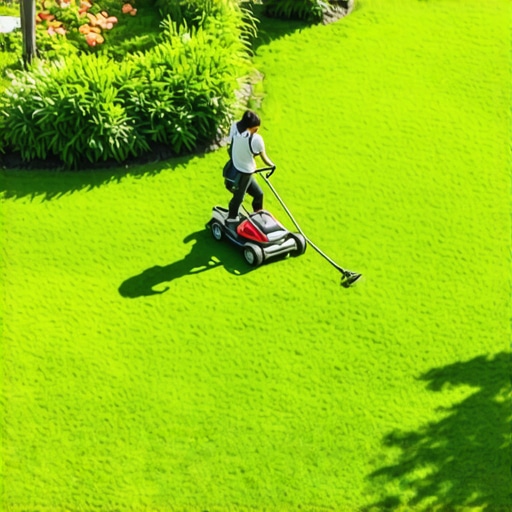
The future of garden maintenance is heading toward greater automation. AI-powered soil sensors and robotic mowers are becoming more sophisticated, allowing for real-time monitoring and targeted care. For instance, I’ve been testing a robot mower that produces a perfect cut while saving me hours each week. As these technologies become more affordable and reliable, I predict a shift toward minimal manual intervention, freeing homeowners to focus on design rather than upkeep. Embracing these innovations now can keep your garden functioning seamlessly into 2026 and beyond.
To keep everything running smoothly, I recommend establishing a seasonal maintenance schedule. For example, in early spring, sharpen blades and service power tools; in summer, check soil moisture with a meter and apply organic amendments; by fall, aerate and prepare tools for storage. Integrating these routines ensures your tools stay in top shape and your garden remains vibrant regardless of changing seasons.
For those looking to elevate their landscape, exploring hardscaping and design techniques can complement your maintenance efforts, creating a beautiful, sustainable outdoor environment that endures over time. Remember, a well-maintained garden isn’t just about aesthetics; it’s about fostering an ecosystem that sustains itself with the right tools, care routines, and a bit of foresight. Try incorporating a comprehensive maintenance checklist today to see your garden thrive well into the future.
The Hardest Lesson I Learned About Soil Microbes and Turf Health
Early in my gardening journey, I believed more fertilizer was the answer to every lawn problem. It wasn’t until I experienced a stubborn patch of dead grass that I realized I was missing the bigger picture—the vitality of my soil microbiome. Truly understanding how beneficial microbes support turf resilience was a lightbulb moment that transformed my approach and can do the same for you. Sometimes, less is more when nurturing your soil’s natural ecosystem.
How I Discovered the Power of Organic Amendments
I used to rely heavily on synthetic fertilizers, but I noticed diminishing returns and a loss of soil vitality over time. Switching to organic compost and bio-stimulants like seaweed extracts revitalized my lawn’s health. The real secret lies in fostering microbial diversity—this creates a self-sustaining system that keeps your turf lush naturally. Trust me, investing in organic amendments pays off in long-term beauty and resilience.
Why Regular Microbiome Feeding Makes All the Difference
Applying compost teas and organic fertilizers every few weeks has helped maintain a vibrant microbial community beneath my grass. This consistent nurturing prevents disease, improves nutrient uptake, and enhances drought tolerance. The most eye-opening lesson: microbe-rich soil is the foundation for a truly thriving lawn. Make it a routine, and you’ll see results far beyond what chemical fixes can achieve.
Connecting with Nature: Garden Design Myths and Realities
One misconception I once believed was that strict symmetry creates the most beautiful garden—for me, embracing natural curves and native plants created a more inviting space. This not only supports local ecosystems but also reduces maintenance. Challenging standard design ideas opened my eyes to sustainable, organic landscaping that resonates with nature’s chaos and beauty.
Choosing the Right Tools to Protect Your Soil and Plants
The secret to lasting garden health is maintaining your tools—sharpening blades, lubricating parts, and using moisture meters. These small habits prevent setbacks like disease spread or equipment failure. I’ve found that a well-maintained toolkit allows me to stay consistent with soil amendments and plant care, ensuring my outdoor space remains resilient over the years. Proper maintenance isn’t just a chore—it’s an investment into your garden’s future.
Where True Gardening Wisdom Comes From
After years of experimenting, I’ve come to trust a few cornerstones: organic amendments, microbial feeding, thoughtful design, and diligent tool care. These lessons aren’t just tips—they’re insights gained through experience and patience. For deep dives into soil science, I recommend exploring resources like this detailed guide. Embracing these practices has made my garden more resilient, less reliant on synthetic inputs, and infinitely more rewarding.
Your Turn to Grow
Now, it’s your chance to upgrade your garden care routine with these insider secrets. Remember, the most beautiful outdoor spaces are built on understanding and respecting the natural processes beneath our feet. Whether you’re just starting or looking to refine your approach, trust that nurturing your soil microbiome and choosing sustainable practices will pay dividends in lush, healthy lawns and vibrant landscapes.
What’s the biggest soil or lawn challenge you’ve faced, and how did you overcome it? Share your story below, and let’s grow together!
,
![4 Culpeper VA Grass Seeding Fixes for Clay Soil [2026 Update]](https://lawnmajesty.com/wp-content/uploads/2026/03/4-Culpeper-VA-Grass-Seeding-Fixes-for-Clay-Soil-2026-Update.jpeg)



Reading through this post really resonated with my own experience in trying to revive my struggling lawn. I spent so much effort on traditional fertilization, only to see minimal results. It wasn’t until I started focusing on soil microbiome health — applying compost teas and organic amendments — that I noticed genuine improvements. I’ve learned that nurturing beneficial microbes creates a much more resilient and lush turf over time.
One challenge I faced was maintaining consistent microbial feeding, especially during hot, dry summers. I found that using DIY compost tea recipes and sprinkling organic compost enriched with microbial inoculants helped me keep the microbiome active. I’m curious, have others found particular techniques or amendments that worked well for keeping their soil microbes thriving during stressful periods? What’s your go-to method for maintaining soil vitality in a busy schedule? Would love to hear different approaches to cultivating a truly healthy soil ecosystem.